No products in the cart.
QUALITY THC PORTAL - BUY QUALITY THC PRODUCTS ONLINE - FAST DELIVERY
Welcome to Quality THC Portal. We are premium suppliers of Quality THC Products. We supply in bulk and small quantities the following products; Package weed , Pre-rolls , Vape cartridges and Marijuana concentrates. We deliver to most countries around the world and delivery is fast and secured. Our website is well encrypted to product all your information we receive to process your orders and also we have a well setup and stable customer service team who are always available to assist you incase of any difficulty while trying to make purchase on our website. We are certain you shall enjoy our services.
Best Selling Products
Sale!


CARTRIDGES
Sale!


CARTRIDGES
Sale!

CARTRIDGES
Sale!

CARTRIDGES

HASH
$
70.00
–
$
305.00

CARTRIDGES
$
25.00

CARTRIDGES
$
25.00
Sale!

CARTRIDGES
Browse our categories


our services
free express delivery
When your order is more than $299, you receive FREE express delivery and can look forward to the worlds best medical marijuana and associate products delivered directly to your door
Exquisite Collection
We’re extremely picky about product quality & our collection is constantly being refined & is comprised of the finest buds known to humankind
Top-notch Support
We pride ourselves in providing exceptional support and we’re among the few offering dedicated 24/7 chat support to our valued customers.
Why Cannabis Concentrates Can Be BHO or Solventless
Cannabis concentrates are made by separating resin-rich trichomes from plant material and collecting the cannabinoids and terpenes in a smaller, more potent format. The method used for that separation has a major effect on flavour, texture, appearance, strength, shelf life, and price. Two broad categories dominate the conversation: BHO, made with a hydrocarbon solvent such as butane, and solventless extracts, produced through mechanical or heat-and-pressure techniques.
For Australian consumers, the distinction matters because product labels can be brief, informal, or inconsistent across grey-market listings. A jar described as “live resin”, “rosin”, “badder”, or “hash” may tell you something about the texture or process, but not always enough to judge quality. Understanding extraction methods makes it easier to compare concentrates without relying on flashy names or assumptions about potency.
What BHO Means
BHO stands for butane hash oil. During commercial extraction, butane passes through cannabis material and dissolves compounds such as cannabinoids, terpenes, waxes, and pigments. The resulting mixture is then processed under controlled conditions to remove the solvent and refine the extract into forms such as shatter, wax, crumble, badder, or live resin.
The term “live” usually refers to cannabis that was frozen soon after harvest rather than dried and cured first. Live material can preserve a different terpene profile, while cured material may produce a rounder, heavier flavour. Neither description automatically proves that an extract is better. The quality of the starting flower, extraction settings, purification, testing, and storage all influence the final result.
BHO production requires specialist equipment, trained operators, ventilation, and strict control of ignition risks. Butane is highly flammable, so home extraction can create explosions, fires, toxic exposure, and serious legal problems. Legitimate manufacturers use closed-loop systems and laboratory testing rather than improvised methods.
How Solventless Concentrates Are Made
Solventless extracts are made without butane, propane, ethanol, or other chemical extraction solvents. Instead, processors use physical techniques to separate trichomes from the plant. Dry sift is created by gently screening dried cannabis, while ice-water hash uses cold water and agitation to detach resin heads before filtration and drying.
Rosin is made by applying heat and pressure to flower, hash, or kief. The pressure squeezes out a sticky resin containing cannabinoids and terpenes. Flower rosin generally begins with pressed cannabis buds, while hash rosin starts with a cleaner collection of separated trichomes. Hash rosin often commands a higher price because the preparation is more labour-intensive and the output can be particularly rich in flavour.
Solventless does not mean automatically pure, powerful, or free from contamination. Poorly dried hash can retain moisture and develop mould, while excessive heat can degrade delicate terpenes. Plant contaminants, pesticides, heavy metals, and microbes remain possible concerns unless the product is produced and tested properly.
Why Texture and Flavour Differ
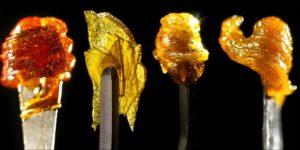
The extraction process changes how a concentrate behaves. Shatter is usually firm and glass-like, although heat can make it tacky. Wax and crumble tend to be softer and more porous. Badder or budder is whipped or worked into a creamy texture. Rosin may range from a glossy, syrupy consistency to a dense, jam-like or sandy texture depending on the starting material and processing conditions.
BHO can be highly aromatic because hydrocarbons efficiently capture volatile terpenes. A well-made live resin may have a vivid, fresh plant character, while a poorly refined product can taste harsh, chemical, or unusually flat. Residual solvent is a quality-control issue, which is why reputable operators use laboratory analysis and publish appropriate batch information.
Solventless extracts often have a fuller, more plant-like profile, particularly when made from high-quality ice-water hash or fresh-frozen material. Some people describe rosin as tasting more natural or rounded, but flavour is subjective. A terpene-rich BHO may appeal to someone who prefers bright fruit, fuel, or pine notes, while another person may prefer the deeper, earthy character of hash rosin.
A concentrate’s appearance should be treated as one clue rather than proof of quality. Sparkle, colour, texture, and aroma can be influenced by cultivar, age, oxygen exposure, temperature, and handling. A pale colour does not guarantee cleanliness, and a dark colour does not necessarily mean the product is unsafe.
Comparing Extraction Methods
The comparison below describes common tendencies rather than fixed rules. Skilled producers can make excellent or disappointing examples in either category, and product names are not always used consistently.
| Feature | BHO and Other Hydrocarbon Extracts | Solventless Extracts |
|---|---|---|
| Main method | Hydrocarbon solvent dissolves resin, followed by controlled purging | Mechanical separation, cold water, filtration, heat, and pressure |
| Common products | Live resin, shatter, wax, crumble, badder | Dry sift, ice-water hash, rosin, hash rosin |
| Typical texture | Glassy, crumbly, waxy, whipped, or saucy | Sandy, sticky, jam-like, oily, or pressed |
| Flavour profile | Often intense and terpene-forward when well made | Frequently rich, rounded, and close to the original cultivar |
| Production cost | Can be efficient at scale with specialist equipment | Often labour-intensive, especially for premium hash rosin |
| Main quality concern | Residual solvent, poor purging, contamination, or degradation | Moisture, mould, plant matter, heat damage, or inconsistent filtration |
| Best evidence of quality | Independent testing, batch details, reputable processing | Independent testing, clean preparation, freshness, and traceable sourcing |
Australian buyers may encounter these terms in Sydney, Melbourne, Brisbane, Perth, or regional online markets, but availability and labelling can vary sharply. Australia has a regulated medicinal cannabis system, while adult-use retail sales are not broadly legal nationwide. The ACT has its own limited personal possession and cultivation settings, but those rules do not create a general commercial dispensary market.
That patchwork means a product advertised online is not automatically legal to possess, import, sell, or receive in every state or territory. Customs treatment, state drug laws, and medicinal-cannabis requirements can apply at the same time. International delivery claims also do not override Australian border controls, and parcels may be seized or create legal exposure.
How Australian Buyers Should Read Labels
Start by separating process terms from marketing terms. “Rosin” usually indicates a solventless pressed extract, while “live resin” generally suggests hydrocarbon extraction from fresh-frozen cannabis. “Hash” can mean traditional pressed resin, dry sift, ice-water hash, or a broad category used loosely by a seller. If the listing does not explain the process, the name alone is not enough.
Look for a batch number, production date, cannabinoid results, terpene information, and contaminant testing. A credible certificate of analysis may include residual solvents, pesticides, heavy metals, microbial contamination, and mycotoxins. Potency figures should be presented as measured results rather than vague claims such as “extreme strength” or “premium quality”.
Packaging and transport deserve attention in Australia’s heat. A concentrate left in a hot delivery van in western Sydney or a Queensland summer can change texture and lose aromatic compounds. Light, oxygen, repeated warming, and poor seals can also accelerate degradation. For wider context on waste and material choices, this discussion of cannabis packaging impacts is useful when assessing the full footprint of a product.
A seller’s customer support can help clarify whether a product is BHO, rosin, hash, or another extract, but support statements are not a substitute for independent testing. Be wary of listings that provide no origin, no batch information, no ingredient details, or only stock photographs. Strong claims about purity or international delivery should be checked against Australian law and practical border risks.
Storage, Devices, and Everyday Use
Concentrates are sensitive to temperature. Many soft extracts become runny when warm, while glassy products may become brittle or difficult to handle when cold. An airtight, light-resistant container kept in a cool, stable place is generally preferable to a sunny windowsill, a car glovebox, or a steamy bathroom. Users should follow any product-specific storage instructions and avoid repeated temperature cycling.
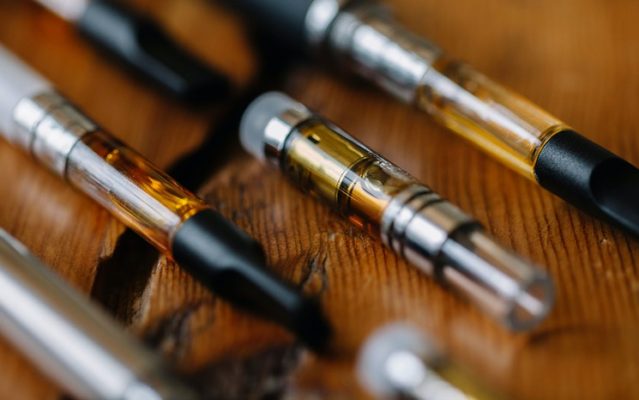
Vaping hardware also affects the experience. A cartridge designed for distillate may not work properly with a thick live resin or rosin formulation. Excessive voltage can scorch oil and create an unpleasant taste, while a weak battery may fail to heat a dense concentrate evenly. Information about basic cartridge and battery terminology is available in this vape hardware guide for readers comparing device formats.
Avoid modifying cartridges, refilling sealed hardware, or using unknown oils in a device. Unregulated cartridges may contain thinning agents, contaminants, or hardware that leaches unwanted metals. In Australia, where products may move through informal channels, packaging that looks professional is not proof of a tested formulation.
Concentrates can deliver a high dose in a small amount, and inhaled effects may arrive quickly. New or inexperienced users face a greater risk of unpleasant intoxication, anxiety, dizziness, impaired coordination, and poor judgement. Do not drive, operate machinery, combine cannabis with alcohol or other intoxicants, or share equipment without considering infection and hygiene risks. Anyone using prescribed medicines or managing a health condition should discuss cannabis with a qualified Australian health professional.
Practical Checks Before Choosing
The best choice depends on priorities such as flavour, texture, price, freshness, and confidence in the supply chain. Someone seeking a terpene-heavy extract may compare live resin with fresh hash rosin, while a person focused on a solvent-free process may prefer rosin or ice-water hash. The label should explain enough for that comparison to be meaningful.
A higher price is not a guarantee of better production. Premium solventless products can cost more because they require large amounts of quality flower and careful processing, while hydrocarbon extraction may provide efficiency and consistency at scale. Independent results and clear sourcing are more useful indicators than a luxury-sounding product name.
- Check whether the listing clearly identifies BHO, live resin, rosin, hash, or another extraction method.
- Look for batch testing that covers potency, pesticides, microbes, heavy metals, and residual solvents where relevant.
- Confirm the product’s legal status and delivery risks in your Australian state or territory.
- Choose packaging that is sealed, labelled, light-resistant, and suitable for temperature-sensitive concentrates.
- Match the concentrate’s viscosity with compatible hardware rather than forcing thick oil into a standard cartridge.
- Treat unusually strong claims, missing product details, and anonymous sellers as warning signs.
- Store concentrates securely away from children, pets, heat, and anyone who could mistake them for ordinary food.
Knowing how an extract was made turns confusing terms into practical information. BHO can offer impressive terpene intensity and a wide range of textures when professionally produced, while solventless products can provide a mechanically separated alternative with distinctive flavour and craft appeal. Compare the method, evidence, storage needs, and Australian legal context before placing an order, and choose products with transparent documentation rather than relying on appearance alone.