No products in the cart.
QUALITY THC PORTAL - BUY QUALITY THC PRODUCTS ONLINE - FAST DELIVERY
Welcome to Quality THC Portal. We are premium suppliers of Quality THC Products. We supply in bulk and small quantities the following products; Package weed , Pre-rolls , Vape cartridges and Marijuana concentrates. We deliver to most countries around the world and delivery is fast and secured. Our website is well encrypted to product all your information we receive to process your orders and also we have a well setup and stable customer service team who are always available to assist you incase of any difficulty while trying to make purchase on our website. We are certain you shall enjoy our services.
Best Selling Products
Sale!


CARTRIDGES
Sale!


CARTRIDGES
Sale!

CARTRIDGES
Sale!

CARTRIDGES

HASH
$
70.00
–
$
305.00

CARTRIDGES
$
25.00

CARTRIDGES
$
25.00
Sale!

CARTRIDGES
Browse our categories


our services
free express delivery
When your order is more than $299, you receive FREE express delivery and can look forward to the worlds best medical marijuana and associate products delivered directly to your door
Exquisite Collection
We’re extremely picky about product quality & our collection is constantly being refined & is comprised of the finest buds known to humankind
Top-notch Support
We pride ourselves in providing exceptional support and we’re among the few offering dedicated 24/7 chat support to our valued customers.
Cannabis packaging and the cost of convenience
Cannabis products often arrive in layers: a primary container, a child-resistant closure, a tamper-evident seal, a label, an outer box, and sometimes a shipping envelope. Each layer may serve a safety or compliance purpose, yet each also carries a material, manufacturing, and disposal cost. As cannabis markets expand, packaging waste has become an important part of the industry’s environmental profile.
The impact is especially visible in products sold in small quantities. A few grams of flower may occupy a rigid plastic jar, while a single vape cartridge may come in a box several times larger than the product itself. Concentrates, pre-rolls, hash, and live resin can require additional barriers against light, oxygen, moisture, and contamination.
Reducing this footprint is not as simple as replacing every container with paper. Cannabis packaging must protect product quality, prevent accidental access, meet labeling rules, and withstand transport. The most effective approach considers the entire life cycle, from raw material extraction and manufacturing to shipping, consumer use, and end-of-life disposal.
Why cannabis packaging leaves a larger footprint
Packaging contributes to environmental pressure through several stages. Petroleum-based plastics require fossil fuel feedstocks and energy-intensive processing. Glass uses abundant raw materials but demands high heat during manufacturing and creates heavier shipments. Paper and cardboard are renewable in many cases, yet coatings, adhesives, inks, and mixed-material construction can make them difficult to recycle.
Transportation adds another layer. Heavy glass jars increase fuel use, while oversized cartons take up more space in delivery vehicles. Products shipped internationally may pass through several logistics networks before reaching the customer. Even lightweight plastic pouches have an impact when they are produced, printed, sealed, and discarded after a single use.
Cannabis packaging also has a relatively high packaging-to-product ratio. Regulatory requirements frequently call for child-resistant and tamper-evident features, even when the product itself is small. A compliant package can therefore be environmentally inefficient by volume. The challenge is to preserve essential safeguards without adding decorative or redundant layers.
Materials used across cannabis products
Plastic remains common because it is lightweight, durable, moisture-resistant, and easy to mold into child-resistant formats. Polypropylene, polyethylene, and polyethylene terephthalate may appear in jars, pouches, caps, and cartridge components. Their lower shipping weight can be an advantage, but many small cannabis containers are not accepted by local recycling systems because of their size, shape, residue, or specialized construction.
Glass is widely used for flower and concentrates because it provides a strong barrier against oxygen and moisture and does not easily absorb aromas. It can also be recycled repeatedly when collected and sorted correctly. However, recycling rates vary by location, and glass production and transportation require more energy than lightweight plastic. A heavy glass jar shipped across long distances may offset some of its recyclability benefits.
Aluminum offers durability and excellent barrier protection, particularly for tins and certain concentrate containers. It is valuable in recycling systems and can be recycled many times, but mining and refining primary aluminum are energy-intensive. Paperboard is useful for outer cartons and display packaging, especially when made with recycled fiber. Laminated paper, plastic windows, foil layers, and heavy coatings complicate recovery and may prevent the carton from being processed as ordinary cardboard.
How common formats compare
No single material is automatically the most sustainable choice. The result depends on package weight, recycled content, manufacturing energy, transport distance, local collection systems, and whether the container is reused. The following comparison shows the main tradeoffs.
| Packaging format | Environmental strengths | Main drawbacks | Better design direction |
|---|---|---|---|
| Plastic jar or pouch | Lightweight, durable, low transport weight | Often discarded after one use; small parts may not be recyclable | Use recycled resin, right-size the package, and establish take-back collection |
| Glass jar | Strong barrier, inert, widely recyclable where accepted | Heavy, breakable, and energy-intensive to produce and transport | Choose lightweight recycled glass and encourage reuse |
| Aluminum tin | Durable, excellent barrier, high recycling value | Primary aluminum has a high production footprint | Increase recycled content and avoid unnecessary inserts |
| Paperboard carton | Renewable fiber, printable, lightweight | Coatings and mixed materials can block recycling | Use uncoated recycled board and minimal ink |
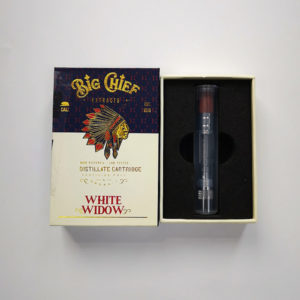
| Vape cartridge packaging | Protects fragile hardware and reduces breakage | Often includes multiple materials and oversized boxes | Right-size cartons and separate recyclable components |
| Pre-roll tube | Protects a delicate product and supports child resistance | Small tubes are easily littered and rarely recycled | Use durable reusable tubes or verified recyclable polymers |
The comparison also highlights why a life-cycle perspective matters. A reusable glass container may be preferable when it is actually returned and refilled, but a single-use glass jar shipped long distances may perform poorly against a lightweight recycled plastic container. Packaging decisions should therefore be based on measured outcomes rather than assumptions about one “green” material.
Designing for less waste
The first reduction opportunity is package sizing. A container should provide enough space for safe handling and accurate labeling, but not so much empty volume that additional cardboard, foam, or plastic is needed. Right-sized packaging lowers material use and allows delivery vehicles to carry more products per trip.
Material simplicity is equally important. A package made from one clearly identified material is easier to sort and recycle than a structure combining plastic film, foil, paper, adhesive, and a window. If multiple materials are necessary to preserve freshness, manufacturers can make them easier to separate. Detachable labels, removable metal components, and clearly marked resin codes improve the chances of correct disposal.
Designers should also consider durability in relation to the product’s actual use. A rigid container may be worthwhile for a premium concentrate or a product intended for repeated opening. It may be excessive for a disposable single-use item. Refill systems, returnable jars, and deposit programs can extend the useful life of packaging while reducing demand for virgin materials.
For online sellers, shipping materials deserve attention alongside retail containers. Avoiding oversized mailers, reducing void fill, and using recycled cardboard can lower the footprint of every order. Consolidated shipping may further reduce emissions, although protective packaging must still prevent leakage, breakage, and exposure during transit.
Safety and sustainability must work together
Child-resistant packaging is a central reason cannabis products cannot always use the simplest or thinnest container. The safety feature protects children from accidental ingestion, while tamper-evident seals help show whether a package has been opened. Product labels may also need space for dosage information, ingredients, warnings, batch details, and testing data.
These requirements should not be treated as an excuse for unlimited packaging. Manufacturers can test compact closures, reusable child-resistant containers, and designs that combine several functions in one component. A smaller compliant package can reduce material use without weakening protection. Clear labeling can also reduce the need for duplicate stickers, inserts, and folded leaflets.
Regulatory variation creates another complication. Packaging accepted in one jurisdiction may be prohibited in another, causing businesses to maintain several formats and inventories. Harmonized standards could make it easier to develop efficient designs at scale. Until then, companies should document material choices, review local recycling guidance, and avoid claims such as “eco-friendly” unless they can support them with evidence.
Consumers also influence outcomes through disposal behavior. Residual cannabis oil, resin, or plant material can contaminate recycling loads, and a package that looks recyclable may not be accepted by a local facility. Clear disposal instructions are therefore part of responsible packaging. Retailers that provide accurate guidance can prevent otherwise recoverable materials from entering general waste.
The role of retailers and consumers
Retailers can improve their environmental performance by examining packaging across the entire supply chain. This includes product containers, shipping cartons, protective padding, labels, promotional inserts, and return logistics. A supplier that offers recycled content or a take-back program may create greater value than one that simply uses a green-colored label.
Purchasing policies can prioritize suppliers that publish material specifications, conduct life-cycle assessments, or offer packaging recovery. Businesses can track the weight and type of packaging used per order, then set reduction targets. They can also test whether customers are willing to return containers for discounts or participate in local collection events.
For customers comparing flower, pre-rolls, cartridges, and concentrates, packaging information can be a useful part of the purchase decision. A retailer’s cannabis product range may include different formats with very different material needs, so selecting an appropriately sized product and avoiding unnecessary secondary packaging can make a practical difference.
The most effective consumer action is usually correct disposal rather than wishful recycling. Empty containers should be cleaned only when local guidance permits it, separated into their component materials where possible, and taken to a specialized program if municipal collection does not accept them. Consumers should never burn plastic, foil, or treated packaging, since combustion can release harmful pollutants.
Practical steps for a lighter footprint
A credible sustainability program should focus on measurable reductions rather than attractive packaging language. The following actions can help businesses and customers lower waste without compromising safety:
- Choose right-sized containers and shipping cartons that minimize unused space.
- Favor recycled-content materials and avoid unnecessary plastic windows, inserts, and decorative layers.
- Use clear disposal instructions that reflect the rules of the actual collection area.
- Develop refill, return, or take-back programs for durable jars, tins, and tubes.
- Measure packaging weight per product and publish progress toward lower material use.
Businesses should review these steps periodically because packaging performance can change as recycling infrastructure, product formats, and regulations evolve. A container that is difficult to recover today may become suitable for a local program later, while a supposedly recyclable design may fail if there is no facility equipped to process it.
Data can also reveal tradeoffs that are easy to miss. For example, reducing package weight may lower transport emissions but increase breakage and product loss. A sturdier container may use more material but prevent damaged shipments. The best design minimizes total impact, including wasted cannabis, replacement deliveries, and rejected batches.
Packaging decisions are becoming part of brand credibility. Customers increasingly notice excessive boxes, difficult-to-recycle components, and vague environmental claims. Companies that explain why a material was selected, how it should be discarded, and whether it can be returned are more likely to build trust than companies relying on green imagery alone.
A lower-waste cannabis sector will depend on cooperation among cultivators, manufacturers, retailers, regulators, recycling operators, and consumers. Start by auditing the materials used in each product line, replace redundant layers, and create clear recovery instructions. When purchasing or redesigning cannabis products, choose packaging that protects people and product quality while using fewer resources, then support retailers that make those standards visible.