No products in the cart.
QUALITY THC PORTAL - BUY QUALITY THC PRODUCTS ONLINE - FAST DELIVERY
Welcome to Quality THC Portal. We are premium suppliers of Quality THC Products. We supply in bulk and small quantities the following products; Package weed , Pre-rolls , Vape cartridges and Marijuana concentrates. We deliver to most countries around the world and delivery is fast and secured. Our website is well encrypted to product all your information we receive to process your orders and also we have a well setup and stable customer service team who are always available to assist you incase of any difficulty while trying to make purchase on our website. We are certain you shall enjoy our services.
Best Selling Products
Sale!


CARTRIDGES
Sale!


CARTRIDGES
Sale!

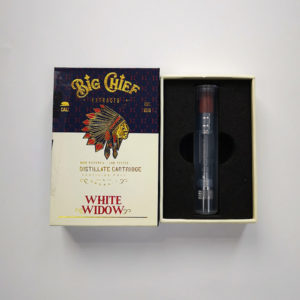
CARTRIDGES
Sale!

CARTRIDGES

HASH
$
70.00
–
$
305.00

CARTRIDGES
$
25.00

CARTRIDGES
$
25.00
Sale!

CARTRIDGES
Browse our categories


our services
free express delivery
When your order is more than $299, you receive FREE express delivery and can look forward to the worlds best medical marijuana and associate products delivered directly to your door
Exquisite Collection
We’re extremely picky about product quality & our collection is constantly being refined & is comprised of the finest buds known to humankind
Top-notch Support
We pride ourselves in providing exceptional support and we’re among the few offering dedicated 24/7 chat support to our valued customers.
Why Glass Syringes Matter When Filling Vape Cartridges
Vape cartridges need to be filled with precision. The oil inside is thick, sticky and often sensitive to heat, oxygen and contamination. A small mistake during filling can leave an air pocket, clog the mouthpiece or cause oil to leak into the battery connection. Glass syringes are widely used because they give producers better control over a difficult material.
A filling syringe is different from the disposable plastic syringes used for some medical or household tasks. It generally combines a glass barrel with a plunger and a blunt dispensing tip. This design allows a measured amount of cannabis oil, distillate, live resin or another concentrate to move into the cartridge reservoir without excessive waste.
The choice of equipment affects the finished vape. Clean delivery, consistent volume and suitable handling can influence vapour production, flavour and cartridge reliability. In Australia, where medicinal cannabis products are regulated and recreational cannabis remains unlawful, buyers should also pay attention to product legality, labelling and the reputation of the supplier.
The basic principle is easy to understand: the plunger creates pressure, the oil travels through the narrow tip, and the cartridge receives a controlled dose. The engineering behind that simple action involves viscosity, temperature, surface tension and compatibility between materials.
The Main Parts Of A Filling Syringe
A typical glass filling syringe has three working elements: the barrel, the plunger and the dispensing tip. The barrel holds the oil and lets the operator see how much material remains. That visibility is valuable when working with expensive extracts, as it helps identify bubbles, residue and inconsistent texture before the oil reaches a cartridge.
The plunger creates the pressure needed to move concentrated oil through the tip. Unlike a loose transfer method, it gives the user a more controlled flow rate. A slow, even push is especially useful for thick products such as cannabis distillate, high-terpene extracts and certain types of live resin.
The tip may be blunt, tapered or fitted with a wider opening for viscous oil. A very narrow needle can restrict thick concentrate and increase the force required to dispense it. For that reason, professional filling systems select the tip according to the oil’s consistency and the cartridge inlet.
Glass is usually paired with a chemically resistant seal or plunger component. The exact materials vary between suppliers, so the complete assembly matters. A glass barrel alone does not guarantee a suitable result if the seal sheds particles or reacts with the formulation.
Why Glass Is Preferred For Cannabis Oil
Glass is valued for its low reactivity. Cannabis oils contain cannabinoids, terpenes, flavour compounds and, in some products, carrier ingredients. These substances can interact with unsuitable plastics over time, potentially affecting flavour, clarity or product stability. High-quality glass provides a more neutral contact surface during filling and short-term storage.
Transparency is another practical advantage. An operator can inspect the oil before dispensing it, checking for unexpected particles, separation or trapped air. With an opaque barrel, those issues can remain hidden until the cartridge is sealed and reaches the customer.
Glass also handles warming and cooling more predictably than many low-grade plastics. Thick oil may need controlled warming to flow properly, but excessive heat can damage delicate aromatic compounds. A stable barrel supports measured handling rather than encouraging high temperatures that may change the extract.
This is similar to the care taken with other products that touch sensitive materials. Even outside cannabis, manufacturers select containers for cleanliness and compatibility; examples include babywearing essentials where fabric, fasteners and skin contact all require considered material choices. The same principle applies here: the container is part of the product experience.
How The Filling Process Works
Filling starts with preparing the oil and cartridge components. The extract needs to be sufficiently fluid for controlled movement, while the cartridge should be inspected for damage, contamination and a properly seated internal structure. A filling line may use gentle, controlled warming, but the exact temperature depends on the formulation and equipment.
The syringe is then loaded or connected to a supply system. The operator aims to remove unnecessary air because bubbles can interfere with volume accuracy and create inconsistent wicking. The plunger is advanced gradually, sending oil through the tip and into the cartridge reservoir.
The tip must be positioned correctly. If it is pushed too far into the cartridge, it may disturb the central airway, wick or internal heating assembly. If it is held too far away, the oil can spread across the opening or coat areas that should remain clear. Controlled positioning helps keep the concentrate in the intended chamber.
After filling, the cartridge is checked for leaks, excess oil and visible air pockets. It may then rest briefly so the oil can settle and reach the wick. The mouthpiece is fitted only after the fill area is clean and the assembly is ready for sealing. Commercial facilities may use automated systems for this work, while small-batch operators rely on manual inspection and calibrated tools.
Viscosity, Temperature And Airflow
Viscosity describes how easily a liquid flows. Vape oil with low viscosity moves readily, while a thick extract resists motion. Distillate can vary considerably depending on its cannabinoid concentration, terpene content and any permitted formulation ingredients. Live resin and other terpene-rich concentrates may behave differently again.
Temperature affects viscosity, but warming is not a universal solution. Too little warmth can make the syringe difficult to operate and leave incomplete fills. Too much heat can reduce flavour quality, accelerate oxidation or alter volatile terpenes. Reliable producers use controlled conditions rather than treating every oil as if it responds identically.
Airflow is connected to filling quality. The cartridge’s central airway must remain open so vapour can travel from the heating element to the mouthpiece. Oil entering that path can produce gurgling, restricted draws, leakage or a harsh experience. A syringe with a suitable tip helps direct the oil into the reservoir instead of the airway.
Australian conditions can make storage and transport especially relevant. A cartridge left in a hot car in Perth, Brisbane or western Sydney may become thinner and more prone to seepage, while cooler winter conditions in Melbourne or Canberra can make thick oil harder to draw. Keeping products away from direct sun and large temperature swings helps protect consistency.
Benefits For Product Quality And Production
Glass syringes support accurate dosing by making the oil level visible and allowing measured plunger movement. Consistent filling helps manufacturers keep cartridge weights within an intended range. It also reduces overfilling, which can cause oil to enter the mouthpiece or battery contact.
They can reduce material waste as well. Sticky concentrate tends to cling to internal surfaces, but a smooth glass barrel is easier to clear than some rough or poorly matched plastic components. Less residue means more of the purchased extract reaches the cartridge rather than remaining in the transfer tool.
Cleanability is another consideration in professional settings. Reusable glass components may be easier to inspect and sterilise when the equipment is designed for that purpose. However, reuse requires validated cleaning procedures. A syringe that appears clear may still contain residue, fibres or microorganisms that can compromise a later batch.
Glass is not perfect. It can break if dropped, adds weight and may require more careful handling than disposable plastic. It also needs compatible seals and tips. Quality control therefore depends on the entire filling system, not simply on choosing glass as a material.
Safety And Australian Market Considerations
In Australia, cannabis regulation differs from the informal assumptions common in online discussions. Recreational cannabis remains illegal under federal law, although possession and personal-use rules can vary by state and territory. Medicinal cannabis is generally accessed through authorised medical pathways, with products subject to relevant approvals, prescriptions and supply rules.
Consumers should be cautious with online stores that advertise international delivery, unusually broad product ranges or guaranteed effects. A website may promote encrypted ordering, customer support or express shipping, but those claims do not replace independent evidence of legality, testing and product identity. Australian customs and border rules can apply even when an overseas seller accepts an order.
Product labels should ideally identify the cannabinoid profile, batch information, ingredients, recommended storage and testing details. Claims involving THCA also need careful interpretation, since THCA is a precursor that can convert to THC when heated. A clear explanation of THCA and Delta-9 THC can help readers understand why a label showing one cannabinoid does not always predict the same experience after vaping.
Local language can obscure important details. Terms such as “cart,” “disposable,” “distillate” and “live resin” are often used casually, while “medical cannabis” has a specific regulated context. Someone ordering online from an Australian suburb should check the legal position in their state, the product’s documentation and whether the item can lawfully be imported or possessed.
Choosing And Storing Filled Cartridges
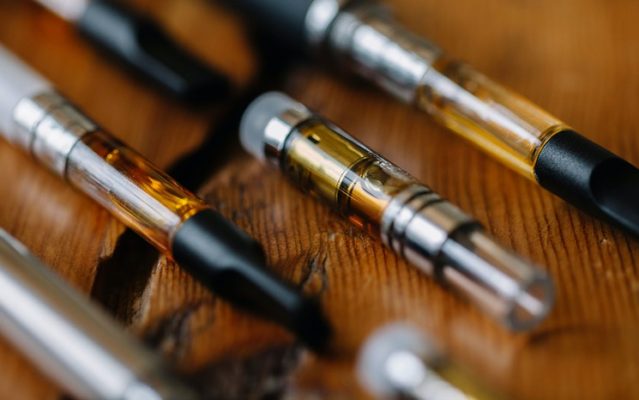
A well-filled cartridge should show no obvious oil around the mouthpiece, airflow opening or battery connector. The oil should sit in the intended reservoir rather than blocking the central airway. Minor visual differences can occur between formulations, but persistent leaking, severe bubbling or a burnt taste may indicate a hardware or filling problem.
Storage matters after purchase. Keep cartridges upright when possible, away from direct sunlight, heaters and hot vehicles. Extreme heat can thin the oil and increase leakage, while cold can make it more viscous. Allowing a cold cartridge to reach room temperature naturally is safer than applying a hairdryer, lighter or other direct heat source.
Battery compatibility should also be considered. A cartridge can be filled correctly and still perform poorly if the battery connection is dirty, the voltage is unsuitable or the heating element is damaged. Users should follow the product instructions and stop using a cartridge that becomes unusually hot, leaks into the battery or shows physical damage.
For legal medicinal products, retain the original packaging and follow the prescriber’s directions. Do not share prescribed cannabis products, leave them accessible to children or pets, or assume that a familiar-looking vape cartridge has the same legal status as a pharmacy-dispensed item.
Practical Checks Before Buying
A few simple checks can help distinguish careful cartridge production from vague marketing:
- Look for batch numbers, cannabinoid information, ingredient details and accessible testing documentation.
- Check whether the supplier explains storage, hardware compatibility and safe handling in plain language.
- Treat claims about international shipping, guaranteed potency or instant effects with caution.
- Inspect the cartridge for leaks, cracks, blocked airflow and oil around the connector before use.
- Prefer products supplied through lawful Australian medicinal channels when cannabis is intended for therapeutic use.
Glass syringes are used because they provide visibility, controlled dispensing and a relatively inert surface for cannabis oil. Their role is practical rather than mysterious: the barrel holds the concentrate, the plunger generates pressure, and the tip directs a measured flow into the cartridge. Good results still depend on compatible materials, controlled temperature, clean equipment and careful inspection.
For Australian consumers, the filling method is only one part of a trustworthy vape product. Legal supply, accurate labels, laboratory evidence and safe storage deserve equal attention. Before placing an order, review the product information, verify the applicable Australian rules and choose a supplier that treats cartridge quality as a technical responsibility rather than a marketing phrase.