No products in the cart.
QUALITY THC PORTAL - BUY QUALITY THC PRODUCTS ONLINE - FAST DELIVERY
Welcome to Quality THC Portal. We are premium suppliers of Quality THC Products. We supply in bulk and small quantities the following products; Package weed , Pre-rolls , Vape cartridges and Marijuana concentrates. We deliver to most countries around the world and delivery is fast and secured. Our website is well encrypted to product all your information we receive to process your orders and also we have a well setup and stable customer service team who are always available to assist you incase of any difficulty while trying to make purchase on our website. We are certain you shall enjoy our services.
Best Selling Products
Sale!


CARTRIDGES
Sale!


CARTRIDGES
Sale!

CARTRIDGES
Sale!

CARTRIDGES

HASH
$
70.00
–
$
305.00

CARTRIDGES
$
25.00

CARTRIDGES
$
25.00
Sale!

CARTRIDGES
Browse our categories


our services
free express delivery
When your order is more than $299, you receive FREE express delivery and can look forward to the worlds best medical marijuana and associate products delivered directly to your door
Exquisite Collection
We’re extremely picky about product quality & our collection is constantly being refined & is comprised of the finest buds known to humankind
Top-notch Support
We pride ourselves in providing exceptional support and we’re among the few offering dedicated 24/7 chat support to our valued customers.
THCA And Delta-9 THC Explained For Australian Consumers
Cannabis contains a wide range of cannabinoids, but tetrahydrocannabinolic acid, usually shortened to THCA, and delta-9-tetrahydrocannabinol, commonly called delta-9 THC, are among the most discussed. They are closely related compounds found in cannabis flower, concentrates and some manufactured products, yet they behave differently in their natural forms.
Freshly harvested cannabis is generally rich in acidic cannabinoids such as THCA. Delta-9 THC is produced when THCA loses part of its molecular structure through heat or ageing. This chemical change, known as decarboxylation, is why raw cannabis and heated cannabis can produce very different experiences.
The distinction is especially important in Australia, where cannabis possession, supply and driving laws remain tightly controlled. Products advertised as “THCA,” “hemp-derived THC” or “non-psychoactive” may still create legal, health and drug-testing risks. Understanding the chemistry is useful, but it does not replace checking current Australian rules or speaking with a qualified healthcare professional.
What THCA Is In Raw Cannabis
THCA is the acidic precursor to delta-9 THC. The plant produces it through its cannabinoid biosynthesis pathways, particularly in the resin glands called trichomes on cannabis flowers. Fresh flower usually contains very little active delta-9 THC compared with its THCA content, although the exact balance depends on genetics, curing, storage and testing methods.
In its unheated form, THCA is generally considered non-intoxicating because it does not interact with the brain in exactly the same way as delta-9 THC. “Non-intoxicating” is a more accurate description than saying it has no biological activity at all. Early research has examined possible anti-inflammatory, neuroprotective and other effects, but many claims seen online are based on laboratory or animal studies rather than strong clinical evidence in humans.
THCA can be present in fresh flower, kief, hash, live resin and other minimally heated extracts. Live products often preserve more acidic cannabinoids because they are processed from recently harvested material at low temperatures. A product’s name, however, does not prove its composition. Independent laboratory results are needed to show whether it contains THCA, delta-9 THC, other cannabinoids, residual solvents or contaminants.
How Heat Changes THCA Into Delta-9 THC
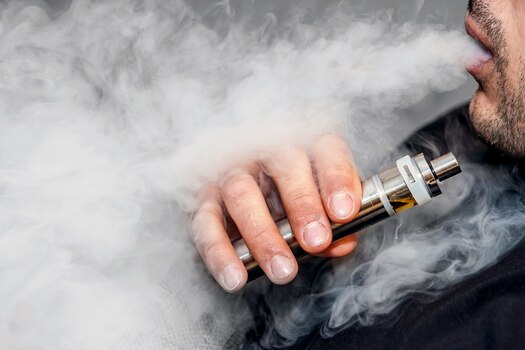
Decarboxylation occurs when THCA is exposed to sufficient heat for a period of time. Smoking, vaporising, dabbing, baking and some extraction processes can trigger this conversion. The THCA molecule releases carbon dioxide and becomes delta-9 THC, the cannabinoid primarily associated with cannabis intoxication, altered perception, impaired attention and euphoria.
The conversion is not perfectly complete. Temperature, exposure time, moisture, airflow and the type of device all affect how much THCA becomes delta-9 THC. Some cannabinoids may also degrade if exposed to excessive heat or prolonged storage. As a result, a label showing a high THCA figure does not guarantee that the entire amount will turn into active THC during use.
A common estimation uses a conversion factor of about 0.877 because THCA is heavier than the resulting THC molecule. For example, 20 milligrams of THCA could theoretically yield roughly 17.5 milligrams of delta-9 THC if conversion were complete. Real-world results can be lower or variable, so this calculation should be treated as a rough laboratory estimate rather than a precise serving guide.
Key Differences In Effects And Testing
The clearest difference is intoxication. Unheated THCA is not generally expected to produce the familiar high associated with delta-9 THC. Once heated, however, the resulting cannabis vapour or smoke can contain active THC. This means the way a product is consumed may matter as much as the cannabinoid printed on its front label.
Delta-9 THC can affect reaction time, coordination, short-term memory, mood and decision-making. Some people experience relaxation, while others may develop anxiety, dizziness, rapid heartbeat or uncomfortable changes in perception. The response varies according to tolerance, body chemistry, product strength, other medicines, food intake and the presence of additional cannabinoids or terpenes.
Drug testing creates another layer of uncertainty. Australian roadside testing commonly focuses on THC in oral fluid, and a person may test positive after using cannabis even if a product was marketed as THCA-rich or “legal hemp.” Heating THCA can generate THC, while contamination, inaccurate labelling or residual cannabinoids may also contribute. Driving after cannabis use is unsafe and can create legal consequences even when a person no longer feels intoxicated.
Reading Labels And Product Claims
Cannabinoid labels can display “total THC,” “total cannabinoids,” “THCA,” “delta-9 THC” or a calculated potential THC value. These terms are not interchangeable. A product containing mostly THCA may have a low measured delta-9 THC result before heating but a much higher potential THC figure after a laboratory conversion calculation.
Certificates of analysis, often called COAs, should identify the testing laboratory, batch number, test date and analytical method. They may also show pesticide screening, heavy metals, microbial contamination, residual solvents and terpene content. A photograph of a label is weaker evidence than a batch-specific report that can be matched to the product being sold.
Online catalogues can list flower, cartridges, pre-rolls, hash, live resin and other concentrates with different cannabinoid profiles. For general background on how sellers describe these categories, readers may browse the cannabis product catalogue, while remembering that an online listing is not proof that a product can legally enter or be possessed in Australia. Imported cannabis products can be intercepted, and international shipping claims do not override Australian border controls or state and territory law.
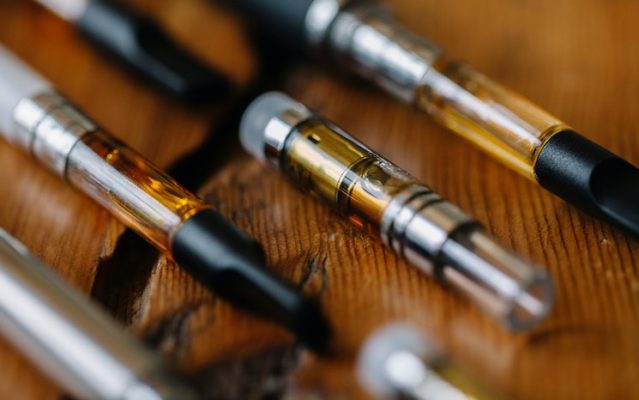
Vape cartridges deserve particular caution. Hardware quality, thinning agents, flavouring chemicals and contamination can affect safety, and a cartridge labelled “THCA” may still produce THC when heated. Consumers should avoid assuming that a familiar brand name, attractive packaging or a claimed potency figure guarantees a tested or lawful product.
What The Difference Means In Australia
Australia does not have a general recreational cannabis market comparable to the legal retail systems found in some North American jurisdictions. Cannabis remains a controlled substance under Commonwealth law, while state and territory rules determine many offences and enforcement details. The Australian Capital Territory permits limited personal possession and home growing in defined circumstances, but this does not create a commercial retail system and does not remove Commonwealth restrictions.
Medicinal cannabis is available through authorised pathways, usually with a prescription and oversight from a medical practitioner. The Therapeutic Goods Administration regulates medicinal cannabis products, and access may involve an approved prescriber, the Special Access Scheme or the Authorised Prescriber pathway. A product bought from an overseas website is not automatically a lawful substitute for a prescribed medicine.
Local habits and settings also affect risk. Someone in Sydney, Melbourne, Brisbane or Perth may encounter products through social media, delivery services or informal networks, but availability does not establish legality. Australian roadside drug-testing programs operate in several states and territories, and cannabis-related driving offences can apply based on detection rather than a person’s subjective level of impairment. Visitors should also remember that rules can differ between jurisdictions, including possession limits, cultivation provisions and penalties.
The safest interpretation of a THCA product in Australia is therefore practical rather than promotional: it may be chemically different from delta-9 THC before heating, but it can become an intoxicating THC product during use. Anyone considering cannabis for pain, sleep, anxiety or another health concern should discuss regulated options with an Australian doctor or pharmacist. People who receive prescribed medicinal cannabis should follow the product directions and ask about driving, workplace testing and interactions with other medicines.
Practical Checks Before You Buy Or Use
- Identify whether the label reports measured THCA, measured delta-9 THC or calculated total THC.
- Look for a current, batch-specific certificate of analysis from an independent laboratory.
- Treat every heated product, including vapes and concentrates, as potentially capable of delivering intoxicating THC.
- Check Australian import, possession, prescription and driving rules before ordering or carrying any cannabis product.
- Do not drive, cycle or operate machinery after using cannabis, even if the product was advertised as THCA-rich.
- Avoid products with vague ingredients, missing batch information, unsupported medical promises or no contamination testing.
- Speak with a doctor or pharmacist if cannabis may interact with medicines, pregnancy, a mental health condition or a workplace drug-testing requirement.
THCA and delta-9 THC are part of the same cannabinoid pathway, but their effects depend on chemistry, heat, dosage, product quality and personal circumstances. Reading the laboratory data and understanding decarboxylation can prevent misleading assumptions, especially when marketing uses terms such as “raw,” “legal,” “non-psychoactive” or “hemp-derived.”
Before purchasing, importing or consuming any THCA or THC product in Australia, verify its status through current government information and obtain professional medical advice where relevant. Treat product claims as information to investigate, not as permission to use or possess the product.