No products in the cart.
QUALITY THC PORTAL - BUY QUALITY THC PRODUCTS ONLINE - FAST DELIVERY
Welcome to Quality THC Portal. We are premium suppliers of Quality THC Products. We supply in bulk and small quantities the following products; Package weed , Pre-rolls , Vape cartridges and Marijuana concentrates. We deliver to most countries around the world and delivery is fast and secured. Our website is well encrypted to product all your information we receive to process your orders and also we have a well setup and stable customer service team who are always available to assist you incase of any difficulty while trying to make purchase on our website. We are certain you shall enjoy our services.
Best Selling Products
Sale!


CARTRIDGES
Sale!

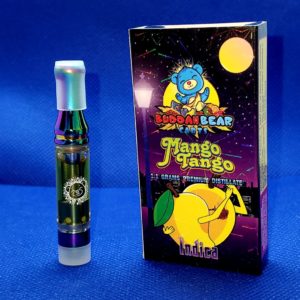
CARTRIDGES
Sale!

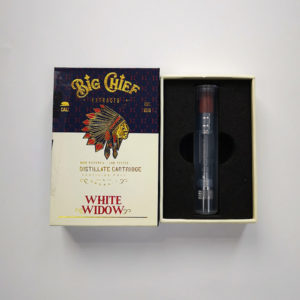
CARTRIDGES
Sale!

CARTRIDGES

HASH
$
70.00
–
$
305.00

CARTRIDGES
$
25.00

CARTRIDGES
$
25.00
Sale!

CARTRIDGES
Browse our categories


our services
free express delivery
When your order is more than $299, you receive FREE express delivery and can look forward to the worlds best medical marijuana and associate products delivered directly to your door
Exquisite Collection
We’re extremely picky about product quality & our collection is constantly being refined & is comprised of the finest buds known to humankind
Top-notch Support
We pride ourselves in providing exceptional support and we’re among the few offering dedicated 24/7 chat support to our valued customers.
Bubble hash vs dry sift: what purity really means
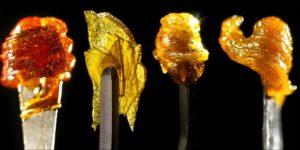
Bubble hash and dry sift hash are concentrates collected from cannabis trichomes, the tiny resin glands found on flowers and leaves. Although both can deliver potent effects and a distinctive aroma, their production methods affect how much plant material, moisture and other compounds remain in the finished product.
In practical terms, the difference between bubble hash and dry sift hash in terms of purity comes down to the collection process. Bubble hash is generally separated with ice water, while dry sift is screened from dried plant material without water. Neither name guarantees a particular quality level.
Australian readers should also consider the legal setting. Medicinal cannabis is available through authorised clinical and supply pathways, while recreational laws vary between states and territories. International sellers advertising delivery to Australia do not bypass those rules, so product quality should be considered alongside legal eligibility.
Purity is more than a THC percentage
Purity has several meanings in the concentrate market. It can refer to the percentage of THC, the proportion of cannabis resin in the product, the absence of visible plant matter, or the exclusion of unwanted substances such as pesticides, mould compounds, heavy metals and residual processing chemicals.
A high laboratory figure does not automatically make a hash clean or safe. A concentrate may test at a high THC level while still containing small amounts of chlorophyll, plant wax or fibrous material. Conversely, a product with a lower THC percentage may have a smoother melt and a cleaner aroma because fewer contaminants were carried through from the source flower.
Sensory evaluation can reveal useful clues, but it cannot replace laboratory testing. Aroma, texture and melt behaviour offer practical indicators, while independent batch results provide stronger evidence about potency and contamination.
What enters bubble hash
Bubble hash is commonly described as a water-based or solventless concentrate. Plant material is agitated in very cold water so that resinous trichomes separate, and the resulting slurry is filtered and collected. The absence of flammable solvents is often treated as a mark of purity, although “solventless” does not mean completely free of contaminants.
Water can carry more than resin through the process. Fine plant particles, water-soluble compounds and trace moisture may remain alongside the trichomes. The finished hash may therefore have a slightly moist or sticky texture, and a darker colour can indicate a greater presence of plant material rather than a higher concentration of cannabinoids.
The final result depends heavily on the starting material and the equipment used. Well-maintained filters and careful processing can produce a clean product, while aggressive agitation or poor separation can introduce more debris. Product descriptions that say only “bubble hash” should not be treated as a complete specification.
What enters dry sift hash
Dry sift hash is created by passing dried cannabis material over screens of different grades. The trichomes and fine resin fall through the mesh, while most of the flower remains behind. Because no water is used, it is often marketed as a purer form of mechanically separated concentrate.
That description requires nuance. A dry sift can collect useful resin while also gathering tiny fragments of plant, especially when the source material is brittle or the screens are handled aggressively. The finest grades may feel especially resinous, but visual inspection cannot establish whether unwanted compounds are present below the visible level.
Environmental control before and after collection can affect quality. Temperature, humidity, light exposure and storage conditions may influence the condition of the resin and the amount of plant dust present. Although written for bee and bird habitats, a guide to portable environmental monitoring demonstrates how small enclosed spaces can be watched for changing conditions. The general principle is relevant when assessing how carefully a seller has protected delicate material.
Comparing aroma, texture and melt
Dry sift often has a concentrated, resin-forward aroma and a drier texture. When properly sieved, it can provide a clean melt with relatively little grassy or vegetal character. Those qualities lead many buyers to regard dry sift as the cleaner-looking and more refined of the two formats.
Bubble hash can be equally pure and may offer a particularly smooth melt when it has been filtered well. It can also retain more moisture and subtle plant notes. The categories overlap in practice, so a soft texture does not prove that bubble hash is dirty, just as a dry texture does not guarantee that dry sift is free of contaminants.
A related explanation of live resin and aroma provides a useful comparison with these hashes. Like bubble and dry sift products, live resin can vary according to the amount of original plant material accompanying the collected resin. Its aroma alone cannot establish purity.
Australian legal and market context
Under Australian law, medicinal cannabis may be prescribed and supplied through authorised pathways overseen by the Therapeutic Goods Administration and state or territory regulators. Cannabis remains a controlled substance for recreational purposes in most jurisdictions. The Australian Capital Territory provides a limited exception for adult personal possession and home cultivation, but that does not create a general retail market elsewhere.
Licensed medicinal access has developed through pharmacies and dispensaries in major cities including Sydney, Melbourne, Brisbane, Adelaide and Perth. Supply arrangements differ by jurisdiction, and availability does not mean every type of hash is available as a regulated product. The local market also includes illicit online sellers whose laboratory claims and packaging may be difficult to verify.
Australian Border Force administers import controls, and commercial import or export of cannabis products requires the appropriate approvals. Unauthorised shipments can be detained or seized regardless of an overseas store’s delivery policy. Claims about international delivery, free express shipping for larger orders or encrypted order processing therefore describe logistics rather than automatic customs clearance or legal eligibility.
Regulated products should have traceable batch information and clear ingredient and cannabinoid labelling. Buyers can also look for credible contaminant testing performed by an appropriately accredited laboratory. A 24/7 chat service may help with questions, but it does not replace documentation or demonstrate that a concentrate has been independently tested.
A buyer’s purity checklist
Promotional pages need to be read with care. An explanation of Neosurf deposit handling, for example, concerns payment funding rather than cannabis quality. The same distinction applies to any payment method, shipping offer or support promise: it may explain how a transaction works without proving anything about the concentrate inside it.
- Identify the extraction route. Ask whether the product is bubble hash, dry sift or another concentrate, and whether water, ice, solvents or other processing agents were used.
- Request batch-level information. A cannabinoid profile is useful, but credible contaminant results matter when judging overall purity rather than potency alone.
- Compare the sensory profile. Look for a characteristic resin aroma, a smooth melt and little grassy, damp or bitter character, while recognising that appearance alone cannot confirm safety.
- Examine the source and storage claims. Ask how the cannabis was handled and whether the hash arrived sealed, correctly labelled and protected from heat, moisture and prolonged light exposure.
- Verify the legal route. Confirm that the product and proposed delivery method are permitted in the buyer’s location before paying or providing personal information.
A seller unable to explain the extraction method, origin, batch identity or testing status has not demonstrated purity. Questions should be answered with specific details, not vague references to “small-batch” production or “premium” quality.
Make an informed, lawful choice
Start with the extraction method, then look for independent evidence of potency and contaminant testing. Bubble hash may deliver an exceptionally clean melt, while dry sift may have a more refined aroma and texture, but neither format guarantees superiority. The source material, processing controls and storage conditions ultimately determine what ends up in the product.
Explore the portal’s informational reviews for further background, then contact its support team with specific questions about purity, ingredients and shipping. In Australia, proceed only through an authorised and lawful route, and treat free delivery, encrypted checkout or round-the-clock assistance as service features rather than proof of laboratory quality or customs approval.