No products in the cart.
QUALITY THC PORTAL - BUY QUALITY THC PRODUCTS ONLINE - FAST DELIVERY
Welcome to Quality THC Portal. We are premium suppliers of Quality THC Products. We supply in bulk and small quantities the following products; Package weed , Pre-rolls , Vape cartridges and Marijuana concentrates. We deliver to most countries around the world and delivery is fast and secured. Our website is well encrypted to product all your information we receive to process your orders and also we have a well setup and stable customer service team who are always available to assist you incase of any difficulty while trying to make purchase on our website. We are certain you shall enjoy our services.
Best Selling Products
Sale!


CARTRIDGES
Sale!


CARTRIDGES
Sale!

CARTRIDGES
Sale!

CARTRIDGES

HASH
$
70.00
–
$
305.00

CARTRIDGES
$
25.00

CARTRIDGES
$
25.00
Sale!

CARTRIDGES
Browse our categories


our services
free express delivery
When your order is more than $299, you receive FREE express delivery and can look forward to the worlds best medical marijuana and associate products delivered directly to your door
Exquisite Collection
We’re extremely picky about product quality & our collection is constantly being refined & is comprised of the finest buds known to humankind
Top-notch Support
We pride ourselves in providing exceptional support and we’re among the few offering dedicated 24/7 chat support to our valued customers.
Why live resin keeps the plant’s natural aroma
A cannabis plant carries a distinctive aromatic signature long before it becomes flower, hash, or another concentrate. That signature comes largely from terpenes, a broad group of volatile compounds responsible for scents such as citrus, pine, herbs, fruit, and earth. Cannabinoids contribute to the plant’s effects and profile, but terpenes often create the first sensory impression.
Live resin is designed to preserve more of those fresh-plant characteristics than many traditional cannabis products. The process begins with freshly harvested material that is rapidly chilled, usually through flash-freezing, instead of being dried and cured first. By slowing chemical and biological changes immediately after harvest, producers can retain a more vivid aromatic profile.
The result is an extract with a reputation for bright fragrance, layered flavor, and a character that resembles the living plant. Its quality depends on several connected factors, including the cultivar, harvest timing, freezing method, extraction technique, refinement, packaging, and storage. Understanding those factors explains why live resin can smell so expressive.
What gives cannabis its natural aroma
Terpenes are the primary drivers of cannabis fragrance. Common examples include myrcene, limonene, pinene, linalool, and caryophyllene, although a single cultivar may contain dozens of aromatic compounds in different proportions. The balance between these molecules creates a plant’s recognizable scent, whether it leans toward tropical fruit, gasoline, fresh herbs, pepper, or woodland notes.
Cannabis aroma is not produced by terpenes alone. Volatile sulfur compounds, esters, aldehydes, and other minor constituents can add sharp, savory, floral, or fermented nuances. These compounds are present in very small amounts, yet they can have a strong effect on the overall sensory experience. This is one reason two flowers with similar cannabinoid percentages may smell entirely different.
The aromatic profile develops in glandular trichomes, the resin-producing structures found mainly on the flowers and nearby leaves. Trichomes contain cannabinoids and terpenes in a delicate matrix. Heat, oxygen, light, moisture, and physical handling can gradually alter that matrix, especially once the plant has been cut.
Why fresh freezing protects volatile compounds
Traditional dried flower usually goes through drying and curing. Those stages are important for improving texture, reducing excess moisture, and developing a smoother smoking experience. They also change the plant’s chemistry. During drying, some highly volatile terpenes evaporate, while others transform through oxidation or interaction with the surrounding plant material.
Live resin production takes a different route. Freshly harvested cannabis is chilled as quickly as possible, often to very low temperatures, before significant drying begins. This rapid freezing helps lock aromatic compounds in place and slows enzymatic activity. It does not stop every chemical change forever, but it limits the early losses that can occur when freshly cut material remains warm and exposed to air.
Freezing also preserves the plant’s moisture, which is why fresh-frozen biomass is unsuitable for many conventional extraction methods without specialized equipment. The water content can interfere with processing, but professional extractors account for it through carefully controlled systems. When the material is handled correctly, the preserved moisture and terpene content contribute to live resin’s soft texture and pronounced aroma.
The timing of harvest matters as well. Trichomes change as the plant matures, and terpene levels can shift during the final stages of flowering. Freezing cannot restore compounds that were already lost before harvest. A strong live resin profile therefore begins with healthy plants harvested at an appropriate point, followed by fast transport and consistent cold storage.
How extraction carries aroma into the concentrate
Live resin is commonly made with a hydrocarbon solvent such as butane, propane, or a blend of the two. In a controlled closed-loop system, the solvent passes through frozen plant material and dissolves cannabinoids, terpenes, and other resin constituents. The extract is then separated from the solvent and refined under carefully managed temperature and pressure conditions.
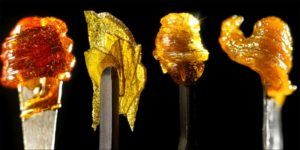
The objective is to remove residual solvent while keeping the aromatic fraction intact. Excessive heat during solvent removal can strip or degrade delicate terpenes. Skilled processors therefore adjust the process to protect the compounds that give the extract its fresh, cultivar-specific character. The final texture may be saucy, sugary, budder-like, or another semi-solid form, depending on processing and terpene content.
Live resin should not be confused with a product that merely has terpenes added after extraction. Some products use botanical or cannabis-derived terpene blends to create a specific flavor, but that approach may not reproduce the full complexity of fresh-frozen resin. Authentic live resin generally gets its character from the plant material extracted soon after harvest, although producers can still apply different levels of refinement.
The aromatic intensity of an extract is not a simple measure of quality. A strong smell may indicate abundant volatile compounds, but it does not automatically confirm purity, potency, or safe production. Good products balance fragrance with clean testing, appropriate texture, and transparent information about the starting material and extraction process.
Live resin compared with other cannabis formats
The contrast between live resin and other concentrates becomes clearer when aroma, texture, processing, and handling are considered together. Cured resin begins with dried and cured flower, so it can have a deeper, toasted, or more mature profile. Rosin is made without chemical solvents, but the heat and pressure used to press the material can affect the final terpene expression. Distillate is highly refined and often contains fewer naturally occurring compounds unless terpenes are reintroduced.
Hash offers another useful comparison because it preserves trichome material rather than separating the plant’s compounds through the same extraction route. The texture, aroma, and potency of hash can vary widely according to the plant material and preparation method; this hash guide explains how traditional and modern forms differ.
| Product format | Starting material | Typical aroma character | Main preservation factor |
|---|---|---|---|
| Live resin | Fresh-frozen cannabis | Bright, fresh, cultivar-specific | Rapid freezing after harvest |
| Cured resin | Dried and cured cannabis | Rich, mature, sometimes earthy | Controlled curing and extraction |
| Rosin | Flower or hash | Expressive, often rich and rounded | Low-temperature pressing |
| Distillate | Refined cannabinoid oil | Neutral unless terpenes are added | Extensive purification |
| Traditional hash | Collected and compressed trichomes | Earthy, spicy, resinous, or floral | Gentle collection and storage |
These categories can overlap in sensory qualities, and naming conventions are not always perfectly consistent across sellers. Reading the product description and laboratory information is more useful than relying on a label alone. A concentrate described as terpene-rich should still identify its cannabinoid content, production method, and testing status.
How aroma changes from extraction to use
Even high-quality live resin can lose some of its aromatic character after opening. Oxygen gradually encourages oxidation, while light can damage both terpenes and cannabinoids. Warm temperatures increase evaporation, particularly for the most volatile compounds. Repeatedly opening a container also introduces fresh air and can alter the texture.
Airtight, light-resistant packaging helps slow these changes. Live resin is generally best kept in a cool, stable environment away from direct sunlight, heaters, and warm vehicles. Refrigeration may be used by some consumers, but temperature swings can create condensation and make the concentrate difficult to handle. If a product is chilled, allowing the sealed container to return gradually to room temperature can help reduce moisture exposure.
The aroma should be assessed carefully rather than aggressively. Opening a container briefly and smelling the concentrate can reveal fruit, pine, spice, floral, or fuel notes. A sharp solvent odor, burnt smell, or unusual chemical character may indicate poor processing or degradation and deserves caution. Color alone is not a reliable quality test because cultivar, extraction style, oxygen exposure, and refinement all affect appearance.
For vaporization, lower temperatures usually preserve more flavor than high-temperature settings. Excessive heat can scorch terpenes and produce a harsher vapor, masking the qualities that make live resin distinctive. Hardware also matters: a clean, temperature-controlled device is better suited to preserving flavor than a poorly regulated or contaminated one.
How to evaluate a live resin product
A trustworthy product description should provide more than a strain name and a potency figure. Look for the harvest or production date when available, the extraction method, the type of starting material, and a recent certificate of analysis from an independent laboratory. Testing may include cannabinoids, residual solvents, pesticides, heavy metals, microbial contamination, and other safety markers required by the relevant jurisdiction.
A terpene analysis can offer additional insight into aroma. It may list dominant compounds such as limonene or myrcene and show their total concentration. These numbers should be treated as a guide rather than a guarantee of personal preference. Two batches with similar terpene percentages can still smell different because minor compounds and their proportions influence the whole profile.
Texture can provide clues but should not be used in isolation. A saucy extract may contain a high proportion of liquid terpenes, while a more crystalline or whipped consistency may reflect different cannabinoid and terpene ratios. Separation is not always a defect, especially in terpene-rich products, but excessive dryness, leakage, or a persistent chemical odor may suggest age or improper storage.
Responsible sourcing also includes legal and health considerations. Cannabis and THC products are regulated differently by country, state, and province. Adults should check local rules, avoid driving after use, keep concentrates away from children and pets, and remember that inhaled products can irritate the lungs. Products made in unregulated settings may carry greater risks because their contents and manufacturing conditions are difficult to verify.
Practical ways to preserve the aromatic profile
The best approach is to minimize heat, light, oxygen, and unnecessary handling from the moment the concentrate is purchased. Small containers can reduce the amount of air left above the product, while clean tools prevent contamination. A stable environment is preferable to moving the concentrate repeatedly between warm and cold locations.
Aroma is also easier to appreciate when consumption is paced. Taking smaller amounts at a lower temperature allows the terpene profile to emerge in stages. High heat may produce a stronger immediate vapor, but it can flatten delicate notes and create a harsher experience. Personal sensitivity varies, so conservative use is especially important with potent concentrates.
Useful habits include:
- Keep live resin sealed in its original, light-resistant container.
- Store it in a cool, dark, stable place away from heat and sunlight.
- Use clean, nonreactive tools and avoid leaving the container open.
- Choose a temperature-controlled vaporizer and begin with a low setting.
- Review laboratory results and local regulations before using the product.
Fresh-frozen extraction preserves a broader snapshot of the plant’s aromatic chemistry than many processes that begin with dried material. It cannot eliminate every source of terpene loss, and a vivid aroma is not a substitute for independent testing, responsible manufacturing, or careful storage. Still, when harvest timing, freezing, extraction, packaging, and use are handled well, live resin can provide a remarkably expressive connection to the original cultivar.
Explore verified product information, compare cannabinoid and terpene profiles, and handle concentrates with care so the preserved aroma remains clear from the first opening through the final session.