No products in the cart.
QUALITY THC PORTAL - BUY QUALITY THC PRODUCTS ONLINE - FAST DELIVERY
Welcome to Quality THC Portal. We are premium suppliers of Quality THC Products. We supply in bulk and small quantities the following products; Package weed , Pre-rolls , Vape cartridges and Marijuana concentrates. We deliver to most countries around the world and delivery is fast and secured. Our website is well encrypted to product all your information we receive to process your orders and also we have a well setup and stable customer service team who are always available to assist you incase of any difficulty while trying to make purchase on our website. We are certain you shall enjoy our services.
Best Selling Products
Sale!


CARTRIDGES
Sale!


CARTRIDGES
Sale!

CARTRIDGES
Sale!

CARTRIDGES

HASH
$
70.00
–
$
305.00

CARTRIDGES
$
25.00

CARTRIDGES
$
25.00
Sale!

CARTRIDGES
Browse our categories


our services
free express delivery
When your order is more than $299, you receive FREE express delivery and can look forward to the worlds best medical marijuana and associate products delivered directly to your door
Exquisite Collection
We’re extremely picky about product quality & our collection is constantly being refined & is comprised of the finest buds known to humankind
Top-notch Support
We pride ourselves in providing exceptional support and we’re among the few offering dedicated 24/7 chat support to our valued customers.
Best strains for pain relief without heavy sedation
Choosing cannabis strains for pain relief without heavy sedation is less about finding a universally best cultivar and more about matching cannabinoid profile, dose and delivery method to your day. Indica, sativa and hybrid labels describe lineage and consumer reputation, but they do not reliably predict whether a product will feel sleepy, focused or foggy. A balanced THC and CBD profile may be easier to manage than high-THC flower, yet even a balanced product can cause impairment.
Australia adds another layer: recreational cannabis remains illegal across most of the country, so THC treatment needs a lawful route rather than an online-shopping shortcut. Prescription medical cannabis can be accessed through authorised practitioners and pharmacies, with exact rules varying by state and territory. Low-THC CBD products are sold under different conditions. Anyone using prescription medicines or managing a chronic condition should check with a qualified clinician or pharmacist before changing their treatment.
Why sedation is driven more by THC than by indica
THC is the primary intoxicating cannabinoid and a common reason people feel heavy, drowsy or mentally slowed. Potency matters, but so do dose, tolerance, the speed of delivery and whether you are tired, stressed or taking sedating medication. The familiar claim that indica reliably induces night-time relaxation is a marketing shorthand, not a dependable biological rule.
A daytime strain can still cause marked impairment if it is stronger than your body is used to. CBD may soften some subjective effects for certain users, although the evidence does not show that CBD cancels THC impairment in a predictable way. Concentrates such as hash and live resin can carry a high THC load, so a small serving may still produce pronounced sedation. For pain that needs attention during a shift, a busy household or a drive across Melbourne, staying alert matters more than chasing a strong sensation.
Cannabinoid and terpene profiles worth comparing
CBD-dominant cultivars often appeal to people who want relief without a pronounced high. Terpenes such as myrcene, caryophyllene, limonene and pinene are frequently associated with calming, earthy or citrus aromas, but smelling a terpene profile cannot tell you how a product will affect you. Clinical evidence supporting a particular terpene for pain is also limited, so treat these descriptions as clues rather than medical conclusions.
Read the label for milligrams of THC and CBD per serving, the number of servings and the device size. A small package can still be high potency, while a convenient-looking cartridge may deliver more THC per puff than expected. Look for batch information, ingredient lists and clear warnings. Clear information architecture matters when you compare pharmacy or retailer pages; web design inspiration can help you identify layouts that make dosing details easier to find.
Australia's legal routes and everyday access
Medical cannabis in Australia is regulated through federal product pathways and state or territory authorisations. General practitioners can prescribe it, while specialist services are commonly used for complex chronic pain. In Sydney, Melbourne, Brisbane, Adelaide and Perth, telehealth consultations and participating pharmacies have made medical access more familiar, although product availability and dispensing rules differ. Buying a high-THC product from an unregulated overseas website is not the same as obtaining legal medical treatment.
Over-the-counter CBD products generally fall within low-THC hemp rules, but their legal classification does not make them proven painkillers. Products sold lawfully in a pharmacy or authorised dispensary may provide clearer dosing information than informal online listings. In the ACT, adults can cultivate a limited amount at home for private use; elsewhere, home production and unlicensed retail sales remain restricted. As retail licensing develops unevenly across jurisdictions, check current local government guidance rather than assuming every city has the same shop.
Strains and products commonly compared
People often start with ACDC, Cannaloupe or Critical Mass because these cultivars are commonly associated with higher CBD content. That does not make them proven pain medicines or guarantee an alert feeling. Cannabis labels can vary between batches and suppliers, and THC content can shift enough to affect a sensitive user. Use the current label, your clinician's directions and your own response together.
A balanced THC and CBD profile may produce a more manageable experience for some people than a high-THC option. CBD alone, however, has weaker evidence for treating chronic pain, and it does not address every source of discomfort. Keep THC low if alertness is the priority, and do not expect a cultivar name to override your individual tolerance. The following comparison focuses on daytime considerations rather than a guaranteed therapeutic outcome.
| Choice | Common profile | Daytime considerations | Access in Australia |
|---|---|---|---|
| ACDC | CBD-dominant; THC often low | Less THC exposure, although relaxation can still occur | THC-containing versions require an authorised medical pathway |
| Cannaloupe | CBD-rich with variable THC | Often considered lighter, but effects vary between batches | THC-containing versions require an authorised medical pathway |
| Critical Mass | CBD-dominant with variable THC | May feel calming; some users report heaviness | THC-containing versions require an authorised medical pathway |
| Balanced THC and CBD oil or flower | Moderate THC with CBD | Can be easier to titrate; impairment remains possible | Typically available through authorised medical prescribing and dispensing |
| CBD isolate | Little or no THC | No intoxication, but pain evidence remains limited | Low-THC products may be available without a prescription |
Read the label of the particular batch, because a familiar name may not match the current product. If daytime use is essential, a clinician may recommend a non-intoxicating option or a THC-containing product at a measured dose alongside conventional pain care. Cannabis can fit within a broader care plan, but it should not replace assessment of an injury, inflammatory condition or worsening nerve pain.
Vaping, inhalation and measured alternatives
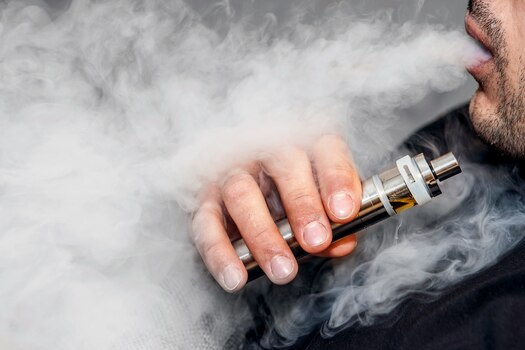
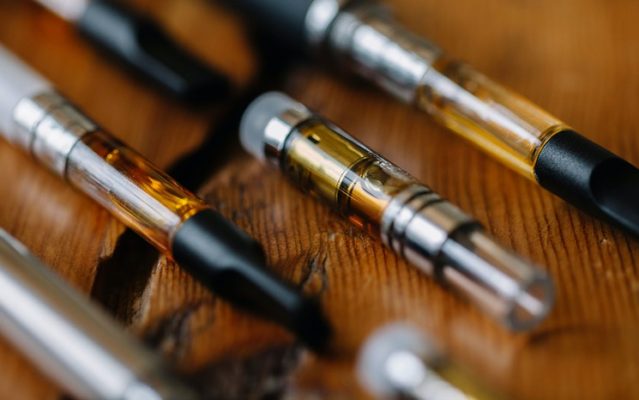
Vaping delivers cannabis quickly and can suit someone learning how a product affects them, but cartridges are not automatically consistent or safe. Residue, leaking components and uneven heating can affect dosing and exposure. For legally prescribed concentrate cartridges, cartridge clog troubleshooting offers practical checks for a faulty device; discontinue use if a cartridge is damaged or leaks.
Smoking flower can irritate the lungs and throat, while inhaled effects arrive quickly and may be difficult to gauge. Vaporisers reduce combustion but are not harmless. Oils and sprays used under the tongue offer more consistent dosing, although onset can take 15 to 45 minutes; oral capsules and edibles may last several hours, making accidental redosing more likely. People with asthma, COPD or a history of problematic cannabis use should discuss suitable options with a clinician.
Building a low-sedation routine around your day
Time your first dose for a period when you can observe its effects without needing to drive, operate machinery or meet small children. Keep a simple diary of dose, time, sleep, pain score and unwanted effects. Low sedation often depends more on staying with a modest amount than on searching for a perfect strain. Follow prescribed directions, take the lowest practical dose and do not compensate for a weak effect by taking more.
Build your routine around ordinary Australian habits rather than around cannabis alone. Gentle walking, physiotherapy, heat packs, swimming and adequate sleep may support pain management, especially in cities where long commutes add fatigue. In Brisbane or Perth, hot weather can make thirst, dehydration and cannabis-related dizziness harder to distinguish. Keep products in their original child-resistant packaging, do not drive after using cannabis, and do not combine it with alcohol or sedatives without professional advice.
Make an informed, legal next step
A low-sedation trial is easier to assess when you prepare rather than browse at random.
- Choose a lawful route. Use an authorised medical pathway for THC-containing treatment, and check local rules for low-THC CBD products and private cultivation.
- Compare exact doses. Check THC and CBD per serving, serving count and batch information rather than relying on words such as mild or daytime.
- Keep one change at a time. Hold dose, product and timing steady for several days so you can recognise a clear benefit or unwanted effect.
- Review your medicines. Ask a pharmacist about interactions with opioids, sleeping tablets, anticoagulants or other regular medicines, and do not stop prescribed treatment on your own.
- Follow a safety plan. Store cannabis securely, use the lowest effective amount, avoid mixing it with alcohol and never drive when unsure about impairment.
Speak with a qualified prescriber or pharmacist before your next purchase, bringing your current medicines and any product labels you have shortlisted. Keep the goal practical: useful pain management without a heavy, impaired afternoon. Make your next decision through an authorised Australian pathway, then use professional guidance and your own tracked response to guide the next step.