No products in the cart.
QUALITY THC PORTAL - BUY QUALITY THC PRODUCTS ONLINE - FAST DELIVERY
Welcome to Quality THC Portal. We are premium suppliers of Quality THC Products. We supply in bulk and small quantities the following products; Package weed , Pre-rolls , Vape cartridges and Marijuana concentrates. We deliver to most countries around the world and delivery is fast and secured. Our website is well encrypted to product all your information we receive to process your orders and also we have a well setup and stable customer service team who are always available to assist you incase of any difficulty while trying to make purchase on our website. We are certain you shall enjoy our services.
Best Selling Products
Sale!


CARTRIDGES
Sale!


CARTRIDGES
Sale!

CARTRIDGES
Sale!

CARTRIDGES

HASH
$
70.00
–
$
305.00

CARTRIDGES
$
25.00

CARTRIDGES
$
25.00
Sale!

CARTRIDGES
Browse our categories


our services
free express delivery
When your order is more than $299, you receive FREE express delivery and can look forward to the worlds best medical marijuana and associate products delivered directly to your door
Exquisite Collection
We’re extremely picky about product quality & our collection is constantly being refined & is comprised of the finest buds known to humankind
Top-notch Support
We pride ourselves in providing exceptional support and we’re among the few offering dedicated 24/7 chat support to our valued customers.
How to Fix a Clogged or Leaking Vape Cartridge Safely
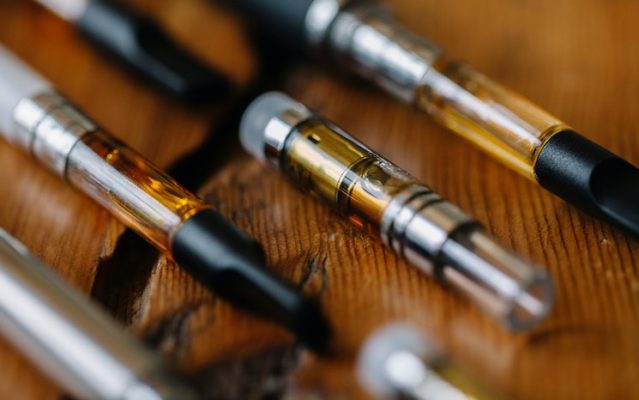
A blocked or leaking vape cartridge can turn a convenient cannabis session into a frustrating cleanup. A weak pull, bubbling sound, oil around the mouthpiece, or liquid seeping from the base usually indicates an airflow, temperature, storage, or hardware issue rather than an immediate failure of the entire device.
Most cartridge problems have simple causes. Cannabis oil becomes thicker when cold, condensation can collect inside the mouthpiece, and overtightening the cartridge may damage its seal. A disposable vape may also develop problems when its internal battery or heating element is no longer working correctly.
The safest approach is to stop using the device briefly, identify whether it is clogged or leaking, and then apply a gentle fix. Avoid force, sharp objects, excessive heat, or continued use when oil has reached the battery connection.
Why Vape Cartridges Clog
The most common reason for a clogged vape cart is thick oil. Cannabinoid extracts become more viscous in cool rooms, during winter travel, or after being stored near an air conditioner. When the oil cannot move easily toward the heating chamber, the device may produce little vapor even though the battery is charged.
Another frequent cause is condensation. After several draws, warm vapor can cool inside the mouthpiece and leave behind a thin film. Over time, that residue narrows the air passage. A cartridge that is stored horizontally may also allow oil to migrate into the center airway, where it can harden or restrict airflow.
Drawing too forcefully can make the issue worse. A strong pull may bring unvaporized oil into the mouthpiece, creating a gurgling sound and additional blockage. Repeatedly holding the activation button for long periods can also flood the chamber, especially when the cartridge is already warm.
Clearing a Blocked Mouthpiece
Begin by removing the cartridge from the battery if it is detachable. Hold it upright and inspect the mouthpiece under good lighting. If you see a small amount of visible residue, wipe the exterior with a clean, dry cotton swab. Do not push the swab deep into the airway, since fibers may detach or compact the blockage.
If the cartridge is compatible with a preheat function, use the lowest available setting for a short cycle, generally a few seconds. The goal is to soften the oil, not cook it. Afterward, allow the cartridge to rest upright for a moment and take a slow, gentle draw without activating the battery if the design permits it.
For a button-activated battery, a brief pulse at a low voltage may loosen thick oil. Stop if the cartridge becomes unusually hot, produces a burnt smell, or begins to leak. Never use a lighter, hair dryer on high heat, boiling water, or another direct heat source. Excessive temperature can damage seals, degrade the extract, and create a burn hazard.
A clogged disposable device should be handled more conservatively because its internal battery and heating element are not designed for repair. If gentle warming in your hands and a few short draws do not restore airflow, discard the device according to local electronic waste guidance rather than opening it.
Finding the Source of a Leak
Leaks commonly appear at the mouthpiece, the threaded base, or the seam between the cartridge body and its hardware. Oil around the mouthpiece may be caused by condensation or overfilling, while oil at the bottom often points to a damaged seal, cracked housing, or a cartridge that has been stored on its side.
Remove the cartridge from the battery and place it upright on a disposable paper towel. Wipe the outside carefully, then check whether fresh oil appears. Inspect the glass or plastic body for hairline cracks and look at the connection area for pooled liquid. If the cartridge is visibly cracked, do not continue using it.
A small amount of residue on the battery contact can interfere with electrical connection. Clean the contact gently with a dry cotton swab. If necessary, use a minimal amount of isopropyl alcohol on the swab, keeping liquid away from the battery interior and allowing the connection to dry completely before reassembly.
Do not attempt to seal a cartridge with glue, tape, or household adhesives. These materials can contaminate the oil and may soften when heated. If a new cartridge leaks soon after opening, document the problem with a photograph and contact the seller before trying to refill or dismantle it.
| Symptom | Likely cause | Safe first step | When to stop using it |
|---|---|---|---|
| Hard draw with little vapor | Thick oil or blocked airway | Warm it in your hands and use a brief low preheat cycle | The device becomes hot or smells burnt |
| Gurgling or popping | Excess oil or condensation in the airway | Wipe the mouthpiece and take a slow draw | Oil reaches your mouth repeatedly |
| Oil around the mouthpiece | Condensation, overfilling, or storage at an angle | Clean the opening and keep the cartridge upright | The leak returns immediately |
| Oil at the base | Failed seal, loose connection, or crack | Remove it from the battery and inspect the housing | The glass is damaged or oil enters the battery |
| No vapor after cleaning | Dead battery, failed coil, or poor contact | Charge the battery and clean the contact | The battery swells, overheats, or sparks |
Adjusting Temperature and Drawing Technique
Voltage has a direct effect on cartridge performance. High voltage can vaporize oil too quickly, leaving burnt residue around the coil and increasing the chance of a blocked airway. Lower settings generally produce smoother vapor and reduce the amount of unvaporized oil pulled toward the mouthpiece.
Use short, steady draws instead of long, forceful inhalations. Give the cartridge several seconds between pulls so the wick can absorb oil and the heating chamber can cool. This approach is especially useful with thick live resin, distillate, and other concentrated extracts that respond differently to heat.
If the battery has adjustable voltage, begin near the lower end of its recommended range. A cartridge that needs unusually high power to produce vapor may have a damaged coil or poor oil flow. Increasing the setting repeatedly can mask the problem while accelerating leakage or creating an unpleasant burnt taste.
Keep the mouthpiece away from direct contact with your lips if oil is visibly present. Inhaling liquid concentrate is a sign that the device needs cleaning or replacement, not that it should be used more forcefully.
Storing Cartridges Between Sessions
Proper storage prevents many airflow and leakage problems. Keep cartridges upright, with the mouthpiece facing upward, in a cool and dry location away from direct sunlight. Avoid leaving them in a vehicle, near a radiator, or in a place with large temperature swings. Heat can thin the oil and place pressure on seals, while cold can make the extract too thick to flow properly.
Do not leave a cartridge attached to a battery for extended periods when it is not in use. The connection may collect residue, and accidental activation can heat the coil unnecessarily. For threaded cartridges, attach them until snug but do not overtighten. Excess pressure can deform the gasket or make removal difficult.
Travel requires additional care. Keep cartridges in a protective case so they are not crushed in a bag, and check applicable laws before transporting cannabis products across borders or through airports. For consumers comparing purchase sizes, reviewing the bulk buying economics can also help balance storage capacity, freshness, and the risk of keeping products longer than recommended.
Use older cartridges before newer ones and inspect the oil before each session. Changes in color, unusual particles, a sharp burnt odor, or persistent separation may indicate that the product or hardware should not be used.
When a Cartridge Should Be Replaced
Some problems cannot be fixed safely. A cracked tank, detached mouthpiece, broken seal, or oil leaking into the battery connection is a strong reason to stop. Hardware failures can expose the battery to liquid and create unreliable activation, overheating, or short-circuit risks.
Replacement is also appropriate when the cartridge tastes burnt after a low-temperature cleaning attempt, produces very little vapor despite adequate charge, or continues to clog after the mouthpiece has been cleared. A defective coil may be unable to wick oil correctly, causing repeated dry hits or flooding.
Pay attention to the battery as well as the cartridge. Stop immediately if the battery becomes swollen, unusually hot, discolored, damaged, or prone to activating by itself. Do not puncture, open, or throw a damaged lithium battery into household trash. Follow local guidance for electronic or battery disposal.
If a product is new and defective, retain the packaging and order details. A reputable retailer may provide instructions for returns or replacements, but the leaking hardware should remain unused while the issue is reviewed.
Habits That Keep Airflow Clear
A few consistent habits can reduce clogs, leaks, and unpleasant draws:
- Store every cartridge upright in a cool, stable environment away from sunlight.
- Use low or moderate voltage and take slow, short draws rather than forceful pulls.
- Wipe the mouthpiece and battery contact with a dry cotton swab when residue appears.
- Keep cartridges separate from loose objects that could crack the tank or press against the mouthpiece.
- Replace hardware with visible damage, repeated leakage, burnt flavor, or unexplained overheating.
Good maintenance also means matching the cartridge to the battery. Use the thread type, voltage range, and preheat function recommended by the manufacturer. An incompatible battery may deliver too much power or fail to make a stable connection, turning a minor airflow issue into a hardware problem.
Avoid filling a cartridge beyond its stated capacity. Overfilled chambers leave less room for pressure changes and can force oil through the mouthpiece or lower seal. Refillable hardware should be filled slowly, with oil kept out of the central airway, and allowed to sit upright before the first draw.
A clogged or leaking vape is usually a signal to slow down and inspect the device. Gentle cleaning, moderate heat, upright storage, and careful battery handling resolve many minor issues without risking the cartridge or the user. When the hardware is cracked, overheated, contaminated, or persistently defective, replacement is the safer choice.
Keep the device clean, use the lowest effective setting, and handle cannabis cartridges as delicate electronic products. For reliable sessions and fewer interruptions, choose compatible hardware, store it correctly, and contact the retailer promptly when a product arrives damaged or fails under normal use.