No products in the cart.
QUALITY THC PORTAL - BUY QUALITY THC PRODUCTS ONLINE - FAST DELIVERY
Welcome to Quality THC Portal. We are premium suppliers of Quality THC Products. We supply in bulk and small quantities the following products; Package weed , Pre-rolls , Vape cartridges and Marijuana concentrates. We deliver to most countries around the world and delivery is fast and secured. Our website is well encrypted to product all your information we receive to process your orders and also we have a well setup and stable customer service team who are always available to assist you incase of any difficulty while trying to make purchase on our website. We are certain you shall enjoy our services.
Best Selling Products
Sale!


CARTRIDGES
Sale!


CARTRIDGES
Sale!

CARTRIDGES
Sale!

CARTRIDGES

HASH
$
70.00
–
$
305.00

CARTRIDGES
$
25.00

CARTRIDGES
$
25.00
Sale!

CARTRIDGES
Browse our categories


our services
free express delivery
When your order is more than $299, you receive FREE express delivery and can look forward to the worlds best medical marijuana and associate products delivered directly to your door
Exquisite Collection
We’re extremely picky about product quality & our collection is constantly being refined & is comprised of the finest buds known to humankind
Top-notch Support
We pride ourselves in providing exceptional support and we’re among the few offering dedicated 24/7 chat support to our valued customers.
Best strains for focus and concentration during work tasks
Choosing the best strains for focus and concentration during work tasks starts with the task itself. Sustained attention, rapid problem-solving and creative brainstorming do not create the same mental demands. A cannabis product that feels enjoyable during a quiet morning may be unhelpful when a deadline involves detailed calculations or a busy video call.
Strain names provide useful starting points, although they are not reliable scientific categories. A “sativa” label does not guarantee an energising effect, and two products carrying the same name can differ in potency, terpene profile and dose. Individual tolerance, sleep, food and stress may matter more than the name on the tin.
For Australian adults, legality also shapes product selection. Medicinal cannabis generally requires a prescription, while recreational possession remains illegal across every state and territory. An overseas online store advertising international delivery does not override Australian law, so readers should use educational guides to understand products while relying on a lawful clinical or pharmacy route for access.
Understanding focus at work
Concentration includes several separate abilities. Sustained attention keeps attention on one activity, working memory holds instructions or numbers, and cognitive flexibility allows a person to switch between tasks. Cannabis can affect all three, particularly when THC is present, so “clear-headed” is a subjective description rather than a guaranteed outcome.
THC may make some users feel relaxed, uplifted or detached from ordinary worries, but it can also alter time perception, slow reaction times and reduce working memory. Effects are more likely to interfere with precision work as tolerance falls or the dose rises. CBD-rich products may reduce subjective anxiety for some people, yet they are not automatically free of impairment.
The most sensible approach is to match cannabis to lower-stakes work rather than assume it will improve every kind of performance. Familiarising yourself with a product outside a critical period can reveal whether it supports a calm routine or introduces distraction, drowsiness or anxiety.
Strains commonly associated with focused work
Several cultivars have developed daytime reputations among adult consumers. Blue Dream is often described as balanced and manageable, Jack Herer as bright and cerebral, and Pineapple Express as energetic and tropical. Durban Poison and Green Crack also appear frequently in conversations about motivation, although stronger effects can make either one less suitable for sensitive users.
These descriptions relate mainly to aroma, cannabinoid content and consumer experience. Limonene, pinene and other terpenes are often associated with a brighter or more uplifting profile, but inhaled terpenes cannot be credited with the same effects people expect from smelling an essential oil. “Sativa” and “indica” labels likewise provide less certainty than many online charts suggest.
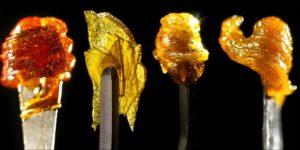
Medicinal users should judge the exact product rather than rely on a familiar cultivar name. Quality THC Portal’s cannabis concentrates guide explains the differences between hash, resin, distillate and related formats. A pharmacist or prescribing clinician can help connect those product details with the intended use.
Australian work rhythms and cannabis timing
Workdays in Sydney and Melbourne often include a long train or tram commute, making portable products appealing to some adults. Timing then becomes important because a fast-acting concentrate may affect the journey, while a slower product could arrive as work begins. Hybrid rosters and home-office days also mean that work and cannabis use may happen in the same space, requiring extra attention to boundaries and storage.
Australian workplaces commonly have a kitchen catch-up or a “smoko,” usually centred on coffee rather than cannabis. Some employees also use “arvo” for the afternoon period, a term worth recognising when discussing productivity. Employers may prohibit cannabis or impairment at work, so a private routine should never interfere with safety duties, customer contact or colleagues’ comfort.
Weather and schedule can matter as well. Brisbane’s humid afternoons may encourage indoor breaks, while early starts and evening deadlines can make timing more difficult. People working night shifts should avoid any product that carries into sleep, and those driving between sites or collecting children should not use cannabis beforehand.
Comparing concentrates, flower and vape formats
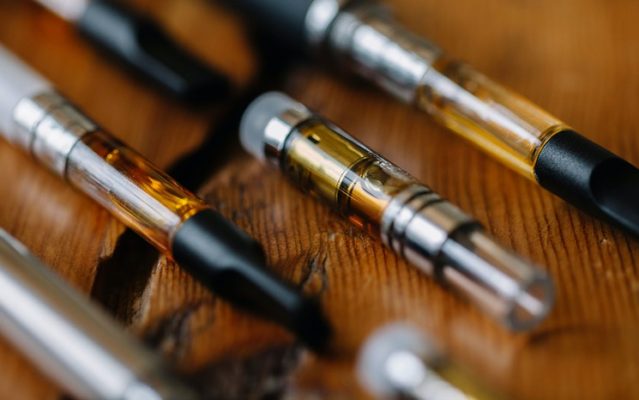
Flower usually offers the clearest information about the whole plant, while pre-rolls provide portion control but vary in consistency. Vape cartridges are discreet and portable, yet their concentrated cannabinoids can produce a rapid, strong response. Hash and live resin may carry a broader terpene profile, whereas distillates are often more uniform and usually deliver a cleaner, less plant-like aroma.
The comparison of live resin versus distillate is useful when comparing vape options, especially for people who value flavour over aroma. It is still important to account for device design, cartridge capacity and the THC dose actually consumed. A smooth-tasting cloud can be more potent than a harsher-looking alternative.
Concentrates require accurate labelling and careful dosing because small quantities may contain a substantial amount of THC. No format is automatically safer or more focused. Vaping avoids combustion, but it is not harmless, and cartridges should be properly stored and checked for damage or leakage. Flowers, edibles and concentrates can all affect the user differently.
A practical strain and product checklist
For strain candidates, compare the expected aroma, cannabinoid balance and traditional reputation without treating any of them as a guarantee:
- Blue Dream: Often considered balanced and approachable, with effects that may suit a calm, low-pressure task.
- Jack Herer: Frequently described as clear and citrus-pine, although its THC concentration can still impair attention.
- Pineapple Express: Known for a tropical aroma and energising reputation, making it a common daytime candidate.
- Durban Poison: Its bright citrus-and-pine profile is associated with alertness, though reactions vary widely.
- Green Crack: Marketed as lively and motivating, but it may be intense for users with lower tolerance.
- CBD-rich cultivars: Potentially less euphoric and more calming, while still requiring care around drowsiness and individual response.
For each product, check the practical details that strain labels cannot communicate:
- Potency per serving: Record the THC amount rather than relying on how mild the aroma seems.
- THC-to-CBD balance: Consider the intended effect and whether THC remains present enough to cause impairment.
- Terpene profile: Aroma can help identify a product, but it should not be treated as proof of energy or focus.
- Format and onset: Account for speed, duration, discretion and how easily the dose can be measured.
- Labelled ingredients: Review directions, warnings, batch information and the absence of unlisted additives.
- Access and workplace rules: Confirm that the product is legally obtainable and compatible with occupational policies.
If you are checking what full spectrum means, focus on how much of the original plant chemistry a manufacturer claims to retain. “Full spectrum” does not automatically mean stronger, safer or more focused, and a broad terpene profile cannot remove THC-related impairment. Compare the actual cannabinoid quantities and serving guidance instead.
Dose, timing and task safety
For an adult new to a particular product, the lowest labelled serving or clinician-recommended amount is the sensible starting point. Familiar products can also become stronger over time as tolerance changes, so a routine that once felt mild may need reassessment. Eating, drinking water and recording the time taken can make personal patterns easier to understand.
Cannabis and alcohol should not be combined when concentration matters, as both can impair judgement. Sedating medicines, fatigue and strong emotions can further affect the response. Stop using a product if it increases anxiety, intrusive thoughts or the urge to sleep. Anyone experiencing persistent discomfort should speak with a health professional rather than simply increasing the dose.
Never drive or operate machinery after using cannabis, even if the effects feel mild. In Australia, roadside cannabis testing and workplace impairment rules make this a practical as well as personal safety issue. Keep cannabis away from important deadlines, client meetings and safety-sensitive tasks until you know exactly how the product affects you.
Choose a product with purpose
Use the linked guides to compare format, potency, ingredients and expected effects, then document the response in a private, non-critical setting. The strongest product is not automatically the best choice for office work. A measured, repeatable routine that leaves attention and reaction time intact is more valuable than a dramatic effect that fades halfway through an Australian afternoon.
Choose one lawfully available product, follow its directions, and test it on a low-stakes day before building it into a demanding work schedule. Keep it separate from driving, sensitive conversations and precision tasks, and record enough detail to decide whether it genuinely supports your concentration.