No products in the cart.
QUALITY THC PORTAL - BUY QUALITY THC PRODUCTS ONLINE - FAST DELIVERY
Welcome to Quality THC Portal. We are premium suppliers of Quality THC Products. We supply in bulk and small quantities the following products; Package weed , Pre-rolls , Vape cartridges and Marijuana concentrates. We deliver to most countries around the world and delivery is fast and secured. Our website is well encrypted to product all your information we receive to process your orders and also we have a well setup and stable customer service team who are always available to assist you incase of any difficulty while trying to make purchase on our website. We are certain you shall enjoy our services.
Best Selling Products
Sale!


CARTRIDGES
Sale!

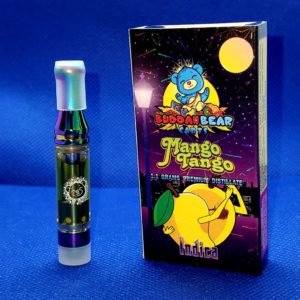
CARTRIDGES
Sale!

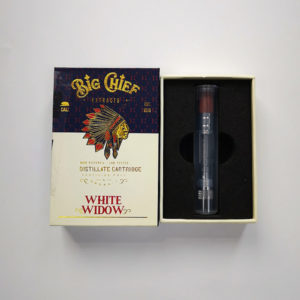
CARTRIDGES
Sale!

CARTRIDGES

HASH
$
70.00
–
$
305.00

CARTRIDGES
$
25.00

CARTRIDGES
$
25.00
Sale!

CARTRIDGES
Browse our categories


our services
free express delivery
When your order is more than $299, you receive FREE express delivery and can look forward to the worlds best medical marijuana and associate products delivered directly to your door
Exquisite Collection
We’re extremely picky about product quality & our collection is constantly being refined & is comprised of the finest buds known to humankind
Top-notch Support
We pride ourselves in providing exceptional support and we’re among the few offering dedicated 24/7 chat support to our valued customers.
Cannabis concentrates 101: A beginner’s guide to extract types
Cannabis concentrates are products made by separating desirable compounds from the cannabis plant and collecting them in a more potent form. Instead of using the whole flower, concentrates typically emphasize cannabinoids such as THC and CBD, along with aromatic compounds called terpenes. Their textures range from sticky oils and glass-like shards to soft, crumbly waxes.
For a first-time consumer, the variety can be confusing. Terms such as live resin, rosin, shatter, hash, badder, crumble, and distillate describe differences in ingredients, extraction methods, consistency, flavor, and intended use. Learning what those terms mean makes it easier to compare products and recognize which formats may suit different preferences.
Concentrate strength can vary substantially from one product to another. A small amount may contain as much THC as several servings of flower, so responsible use begins with careful label reading, legal awareness, and patience. This guide explains the main categories without treating potency as the only measure of quality.
What cannabis concentrates are
A concentrate is a cannabis extract in which cannabinoids and terpenes have been collected into a smaller volume than the original plant material. The result is usually stronger by weight than dried flower. Concentrates may be sold for vaporizing, dabbing, adding to flower, or using in pre-filled vape cartridges, depending on their formulation.
Extraction can involve solvents such as hydrocarbons or ethanol, or it can use mechanical pressure, heat, water, or ice. The chosen process affects the final profile. A solventless rosin may preserve a broad range of plant compounds, while a refined distillate may deliver a highly purified cannabinoid with a more limited terpene profile.
The word “concentrate” does not automatically guarantee a particular experience. Effects depend on the THC-to-CBD ratio, terpene content, dose, tolerance, personal biology, and consumption method. Product appearance can offer clues, but laboratory testing and transparent labeling provide more useful information.
How extraction methods shape the product
Solvent-based extraction uses a chemical medium to draw cannabinoids and terpenes from cannabis. After extraction, the material must be processed and purged so that unwanted residual solvents are removed. Shatter, wax, crumble, live resin, and many forms of oil are commonly associated with this broad category, although production techniques vary.
Live resin is made from cannabis that is frozen soon after harvest rather than dried and cured first. Freezing helps preserve volatile terpenes, which can create a fresh, aromatic profile. Live resin may appear as a sticky sauce, glossy oil, or dense badder, and it is often selected by people who prioritize flavor and fragrance.
Solventless products are made without chemical solvents. Hash may be produced by separating trichomes with ice water, screens, or dry sieving. Rosin is created by applying heat and pressure to flower, hash, or kief. Because the process is mechanical, solventless extracts are often marketed for their minimal processing, though quality still depends on the starting material, technique, cleanliness, and storage.
Refined extracts follow a different path. Distillate undergoes additional purification to isolate cannabinoids, frequently resulting in a clear or amber oil with a high THC percentage. Manufacturers may add terpenes afterward to influence flavor and aroma. High potency can be useful for experienced consumers, but it may make dosing more difficult for beginners.
Common concentrate types explained
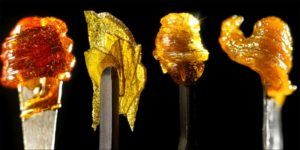
Shatter is a thin, translucent extract that can resemble amber glass. It is usually firm and may snap when handled at cooler temperatures, although heat can make it soft and difficult to manipulate. Wax is softer and more opaque, with a consistency that can range from creamy to crumbly. Badder or batter is whipped into a smooth, cake-batter-like texture.
Crumble is a dry, porous form that breaks apart easily. It can be convenient to portion, but its light texture may make it prone to sticking or scattering. Sauce contains a fluid terpene-rich component and may include crystalline THCA structures. Diamonds are highly refined THCA crystals that are often combined with sauce to add flavor and improve workability.
Hash and kief are among the oldest concentrate formats. Kief consists of separated trichomes, the resin glands found on cannabis flowers. Hash compresses or processes that resin into a denser substance. Traditional hash can be soft and pliable, while dry sift and bubble hash vary in texture according to the collection and purification process.
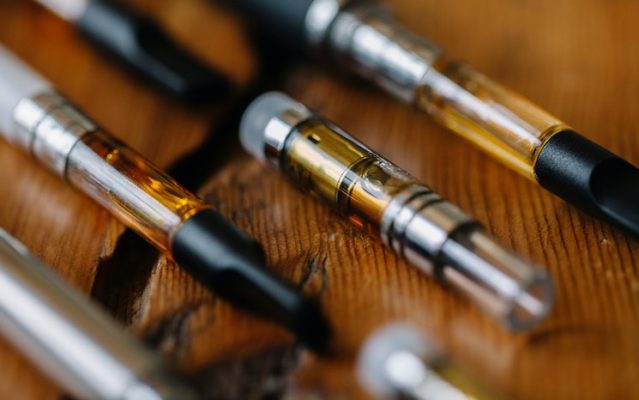
Vape cartridges generally contain a liquid cannabis oil designed for a compatible battery. They may use distillate, live resin, rosin, or another extract. A cartridge is convenient and discreet, but users should pay attention to hardware quality, ingredients, batch information, and the risk of counterfeit or contaminated products. A thick oil and an attractive package are not enough to establish quality.
| Concentrate type | Typical texture | Common characteristics | Beginner consideration |
|---|---|---|---|
| Distillate | Clear, thick oil | Refined THC, often with added terpenes | Potent and easy to overuse |
| Live resin | Sticky oil, sauce, or badder | Strong terpene aroma and fresh-plant profile | Flavorful but often intense |
| Rosin | Soft, glossy, or pressed | Solventless and mechanically extracted | May be expensive and highly potent |
| Shatter | Firm, glass-like sheet | Stable when cool, brittle when handled | Can be difficult to portion |
| Wax or badder | Soft, creamy, or crumbly | Flexible textures and pronounced aroma | Requires careful storage |
| Hash or kief | Pressed, sandy, or pliable | Concentrated trichomes with traditional character | Strength varies widely |
| Diamonds | Crystalline solids, often with sauce | Very high THCA concentration | Better suited to experienced users |
Understanding potency, flavor, and effects
Labels may show THC as a percentage, milligrams per gram, or total milligrams per package. THC percentage describes concentration by weight, while a package total describes the amount across the entire product. A clear explanation of THC percentage labels can help prevent the common mistake of treating a percentage as a single serving size.
THCA deserves special attention. Raw cannabis often contains THCA, which converts into psychoactive THC when heated through smoking, vaping, or dabbing. Some labels list both THCA and THC, while others provide a calculated total THC value. Reading the complete cannabinoid panel is more informative than focusing on the largest number printed on the package.
Terpenes contribute to aroma and may shape the character of an experience, although they do not reliably predict effects for every person. Myrcene, limonene, pinene, and caryophyllene are commonly listed, but a terpene label should be treated as descriptive rather than a guarantee. A citrus-scented extract may feel different from a pine-scented one, yet dose remains a major influence.
New users should be especially cautious with dabbing and high-strength cartridges. Inhaled concentrates can take effect quickly, but the intensity may still build after the first inhalation. Taking a small amount, waiting to assess the result, and avoiding rapid repeated use can reduce the chance of unpleasant effects such as anxiety, dizziness, nausea, or impaired coordination.
Selecting a concentrate for your needs
The best format depends on how you plan to consume it, how much experience you have, and what qualities matter most. Someone seeking convenience may prefer a tested cartridge, while someone focused on aroma may choose live resin or rosin. A person interested in traditional preparation might explore hash or sift, provided the product is legally available and clearly labeled.
For beginners, lower-potency options with clear serving guidance are generally easier to manage than crystals, highly concentrated distillates, or large-format extracts. A product with a complete certificate of analysis can show cannabinoid levels, terpene information, and screening for contaminants such as pesticides, heavy metals, microbes, and residual solvents.
Packaging and handling also matter. Concentrates should be sealed in suitable containers and protected from excessive heat, direct light, moisture, and contamination. A product that has leaked, changed unexpectedly in color or smell, or lacks basic batch details deserves caution. Avoid products with vague ingredients, implausible claims, or no verifiable testing information.
Legality varies by jurisdiction, and rules may distinguish between hemp-derived and cannabis-derived products, THC limits, shipping, possession, and consumption locations. Consumers should review local regulations before ordering, transporting, or using any cannabis extract. Products should remain secured away from children, pets, and anyone who should not access them.
Practical habits for safer first use
A thoughtful approach can make the learning process more comfortable and predictable. Before using an extract, check its intended method, inspect the label, and make sure any vaporizer or accessory is compatible. Never use an oil in a device that was not designed for it, and do not modify cartridges or add substances that are not approved for inhalation.
Keep these habits in mind:
- Start with the smallest practical amount, especially when the THC level is high.
- Wait long enough to assess inhaled effects before taking another dose.
- Use concentrates only in a comfortable, familiar setting where you do not need to drive.
- Store extracts in their original child-resistant packaging, away from heat and direct sunlight.
- Choose products with batch details, ingredient information, and independent laboratory testing.
Avoid mixing cannabis concentrates with alcohol or other intoxicating substances. If a strong or uncomfortable reaction occurs, stop consuming, rest in a calm environment, and seek medical help for severe symptoms such as chest pain, trouble breathing, loss of consciousness, or extreme confusion. Regular users should also monitor tolerance, because repeated exposure to high-THC products can lead to increased consumption and unwanted dependence.
Concentrates can be used with specialized vaporizing devices, but high temperatures may create harsh vapor and reduce desirable flavor. Low-temperature use is often preferred for preserving terpenes, though the exact setting depends on the device and product. Cleaning equipment regularly helps maintain flavor and reduces residue buildup.
Building a useful concentrate vocabulary
Knowing the language on a package makes comparison easier. “Full-spectrum” generally suggests that a broader range of cannabis compounds has been retained, while “broad-spectrum” often indicates that some compounds are present with a particular component removed. “Isolate” refers to a purified single cannabinoid. These terms can vary by manufacturer, so the ingredient panel remains important.
“Cured” extracts come from cannabis that has gone through drying and curing, while “live” products begin with fresh-frozen plant material. “Sauce,” “diamonds,” “sugar,” and “badder” usually describe physical forms rather than entirely separate species of extract. Two products with the same texture may still differ significantly in potency, terpene content, and refinement.
A reliable buying decision combines format, laboratory results, ingredients, freshness, and personal tolerance. Potency is one part of the evaluation, but a lower-strength extract with better transparency and more manageable dosing may be a better choice than the strongest option available. Learning gradually makes it easier to identify the textures, aromas, and cannabinoid profiles that work for you.
Use this guide as a reference when reading concentrate labels and comparing extract categories. Choose legal, tested products, begin cautiously, and keep your storage and consumption practices deliberate so that exploring cannabis concentrates remains informed and responsible.