No products in the cart.
QUALITY THC PORTAL - BUY QUALITY THC PRODUCTS ONLINE - FAST DELIVERY
Welcome to Quality THC Portal. We are premium suppliers of Quality THC Products. We supply in bulk and small quantities the following products; Package weed , Pre-rolls , Vape cartridges and Marijuana concentrates. We deliver to most countries around the world and delivery is fast and secured. Our website is well encrypted to product all your information we receive to process your orders and also we have a well setup and stable customer service team who are always available to assist you incase of any difficulty while trying to make purchase on our website. We are certain you shall enjoy our services.
Best Selling Products
Sale!


CARTRIDGES
Sale!


CARTRIDGES
Sale!

CARTRIDGES
Sale!

CARTRIDGES

HASH
$
70.00
–
$
305.00

CARTRIDGES
$
25.00

CARTRIDGES
$
25.00
Sale!

CARTRIDGES
Browse our categories


our services
free express delivery
When your order is more than $299, you receive FREE express delivery and can look forward to the worlds best medical marijuana and associate products delivered directly to your door
Exquisite Collection
We’re extremely picky about product quality & our collection is constantly being refined & is comprised of the finest buds known to humankind
Top-notch Support
We pride ourselves in providing exceptional support and we’re among the few offering dedicated 24/7 chat support to our valued customers.
Cannabis Strains That Can Support Creative Writing And Art
Creative work asks for a particular kind of attention. A novelist may need sustained concentration and emotional access, while a painter, musician or designer might want looser associations and stronger sensory awareness. Cannabis can influence those experiences differently depending on the cultivar, dose, setting and individual response.
There is no universally ideal strain for creativity. Names such as sativa and indica offer only a broad starting point, while cannabinoid ratios and terpene profiles often provide more useful clues. A low-THC flower with a bright, focused character may suit drafting, whereas a stronger, more physically relaxing product may be better reserved for free-form sketching or late-night ideation.
Australian readers also need to consider the legal setting. Recreational cannabis remains prohibited under Australian federal law, with medicinal cannabis available through authorised pathways and state or territory rules affecting possession, prescribing and driving. Products bought online should be assessed carefully for legal status, testing, ingredients and delivery claims.
The most practical approach is to treat cannabis as an occasional creative variable rather than a guaranteed productivity tool. Begin with a small amount where lawful, record how it affects your attention, and keep demanding tasks such as editing, client work and operating equipment separate from intoxication.
| Strain or cultivar | Creative character | Suitable project stage | Points to consider |
|---|---|---|---|
| Blue Dream | Uplifting, imaginative and relatively versatile | Brainstorming, visual concepts and first drafts | Can become distracting at higher doses |
| Jack Herer | Alert, energetic and idea-driven | Morning writing or planning | May feel stimulating for anxiety-prone users |
| Durban Poison | Fast, bright and mentally active | Short ideation sessions | Often too intense for sensitive users |
| Sour Diesel | Associative and mood-lifting | Music, freewriting and concept development | Strong aroma and variable effects |
| ACDC or Harlequin | Clearer, gentler and less intoxicating | Revision, journalling and detail work | Effects vary widely by batch |
| Northern Lights | Calm, inward and body-focused | Sketching, poetry and evening reflection | May reduce momentum or alertness |
How Cannabinoids Shape Creative Attention
THC is the compound most associated with cannabis intoxication. In some people, a small amount can make ordinary details feel more interesting and encourage unusual connections between ideas. In others, it can impair short-term memory, slow reading comprehension or make a simple task feel unnecessarily complex.
CBD is not intoxicating in the same way and may soften the intensity of a THC-heavy product for some users, although responses are individual. A balanced THC-to-CBD profile can appeal to writers who want a calmer session without feeling heavily altered. It is still important to remember that CBD does not make driving or other safety-sensitive activities risk-free when THC is present.
Dose usually matters more than the strain name. A modest amount may support divergent thinking, where many possibilities are generated, while a larger amount can undermine convergent thinking, where one idea must be structured, edited and completed. For that reason, cannabis may fit an early creative session better than a final proofreading pass.
Terpenes And The Sensory Profile
Terpenes are aromatic compounds found in cannabis and many other plants. Limonene is commonly associated with citrus aromas, pinene with pine and fresh greenery, myrcene with earthy or herbal notes, and linalool with floral scents. These labels can help describe a product’s character, but they should not be treated as precise predictions of mental effects.
The broader interaction between cannabinoids and aromatic compounds is often discussed as the entourage effect. A useful overview of cannabis terpenes can help readers understand why two flowers with similar THC percentages may feel noticeably different. Cultivation, curing, freshness, tolerance and personal biology all influence the result.
For creative work, aroma can be part of the ritual. Citrus-forward cultivars may feel suitable for daytime brainstorming, while earthy or floral profiles may complement reflective writing. Strong scent can also become a distraction in shared homes, studios, offices or apartment buildings in Sydney and Melbourne, where neighbours and housemates may be close by.
Cultivars For Writing And Story Development
Blue Dream is often selected for a balance between mental lift and physical ease. It may suit character development, freewriting or a first pass through a short story, particularly when the writer wants a little imaginative distance from everyday routines. Its effect can become hazy at higher doses, so it is less appropriate for line editing or managing complex notes.
Jack Herer has a reputation for an alert, energetic profile and can work well for outlining, naming characters or mapping a plot. Durban Poison is another cultivar commonly associated with a lively, cerebral experience. Both may appeal to writers working during daylight hours, although stimulating products can feel uncomfortable for people prone to racing thoughts.
Sour Diesel is often chosen for associative thinking and expressive projects. It may complement lyric writing, music composition or a free-flowing notebook session. The trade-off is that a strong THC response may encourage endless idea generation without helping the writer select, organise and finish the strongest concept.
Writers who need a gentler experience sometimes look towards ACDC or Harlequin, which are known for comparatively CBD-rich profiles. These may be better suited to journalling, revision or reflective nonfiction, though the actual cannabinoid content can differ between products. Always rely on current laboratory information rather than a familiar cultivar name alone.
Choices For Visual Art And Design
Visual artists often describe cannabis as changing colour perception, texture awareness or the apparent significance of small details. That can make a low-dose session interesting for collage, abstract painting, photography concepts or mood-board development. It can also affect depth judgement and motor control, so cannabis should not be combined with ladders, cutting tools, kilns, machinery or road travel.
A cultivar with a clear, energetic profile may suit thumbnail sketches and rapid exploration. A calmer product may be more comfortable for repetitive mark-making, clay work or late-night illustration. Northern Lights, for example, is commonly associated with a relaxed, inward mood, but it may reduce motivation if the artist already feels tired.
Set and setting are especially important in a studio. Natural light, water, ventilation and a prepared workspace can make the session easier to manage. Artists in Brisbane may need to account for heat and humidity affecting flower storage, while creators in Perth or Adelaide may prefer a quiet indoor setup during very hot weather.
A useful practice is to separate ideation from execution. Use a brief session to gather colour combinations, shapes, images or references, then return sober to assess composition and technical quality. This preserves the spontaneous stage without allowing altered judgement to determine the final work.
Matching Strains To The Creative Stage
Different tasks place different demands on the mind. Brainstorming benefits from flexibility and a willingness to explore poor ideas alongside good ones. Drafting requires enough working memory to hold a scene or argument together. Editing demands patience, accuracy and the ability to notice repetition, weak transitions and factual errors.
A light, uplifting cultivar may be most appropriate for generating possibilities, while a balanced or CBD-forward product may feel more manageable for revision. Strongly sedating varieties are generally better reserved for private relaxation, sensory art or reflective journalling rather than deadlines. No product can replace sleep, planning or professional feedback.
Timing also matters. A session before a morning writing block could disrupt the day if the effects last longer than expected. This is particularly relevant for freelancers in Canberra, Sydney or Melbourne who may need to attend meetings, respond to clients or meet a same-day deadline. Keeping a separate sober work block protects consistency.
Creative professionals can use a simple log to record product name, approximate dose, time, mood, task and result. Notes such as “generated many images but struggled to sequence them” are more useful than vague claims that a strain felt good. Over several sessions, patterns may become clearer without turning cannabis into a requirement for creative output.
Australian Safety And Legal Considerations
Australian cannabis rules vary across jurisdictions, but recreational possession and supply remain illegal. Medicinal cannabis must generally be accessed through a registered medical practitioner and an approved prescription pathway. Travelling with cannabis between states, importing products or ordering from overseas can create serious legal and customs risks.
Driving after using THC is unsafe and may remain unlawful even when a product was prescribed. Roadside testing regimes operate in several states and territories, including New South Wales, Victoria and Queensland. A creative session should happen only when there is no need to drive, cycle in traffic, use machinery or make safety-critical decisions.
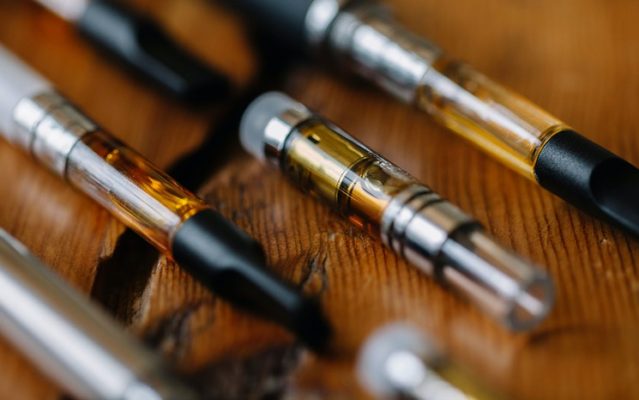
Product quality deserves close attention. Check cannabinoid amounts, batch information, contamination testing, packaging and storage conditions where those details are lawfully available. Vapes and concentrates can deliver THC quickly and intensely, making them less forgiving for inexperienced users than lower-strength flower. Avoid products with unclear ingredients or unsupported health claims.
Online retailers may promote encrypted ordering, customer support, express shipping or international delivery. Those features do not override Australian law, and delivery claims should not be mistaken for legal approval. Readers looking for broader creative references can also explore The Shreya for inspiration beyond cannabis-focused material, including writing and artistic perspectives.
Building A Sustainable Creative Ritual
Cannabis works best, if at all, as one optional element in a larger creative routine. A regular writing hour, a walk, a playlist, reference images and a clear project brief often have a stronger long-term effect than changing strains. These habits remain useful on sober days and reduce the risk of believing that creativity depends on intoxication.
Start with a defined task rather than an open-ended promise to “make something”. Examples include producing ten character details, sketching three compositions or writing 300 unedited words. A defined endpoint makes it easier to judge whether the session supported progress or simply produced a pleasant distraction.
Keep the environment comfortable and private, particularly in shared Australian homes or apartment buildings. Store products securely away from children and pets, avoid mixing cannabis with alcohol or sedating medicines, and stop if anxiety, dizziness, confusion or palpitations develop. Seek medical assistance for severe or persistent symptoms.
For lawful medicinal use, discuss the intended creative routine with a qualified healthcare professional, especially when taking other medicines or managing anxiety, depression, attention difficulties or sleep problems. Use reliable product information, keep doses conservative and protect the sober hours when ideas must be shaped into finished work.
Explore cultivar profiles carefully, compare cannabinoid and terpene information, and treat every creative session as an experiment in observation rather than a promise of inspiration. A thoughtful, lawful approach can leave more room for writing, design and visual discovery while keeping judgement, safety and artistic independence at the centre.