No products in the cart.
QUALITY THC PORTAL - BUY QUALITY THC PRODUCTS ONLINE - FAST DELIVERY
Welcome to Quality THC Portal. We are premium suppliers of Quality THC Products. We supply in bulk and small quantities the following products; Package weed , Pre-rolls , Vape cartridges and Marijuana concentrates. We deliver to most countries around the world and delivery is fast and secured. Our website is well encrypted to product all your information we receive to process your orders and also we have a well setup and stable customer service team who are always available to assist you incase of any difficulty while trying to make purchase on our website. We are certain you shall enjoy our services.
Best Selling Products
Sale!


CARTRIDGES
Sale!

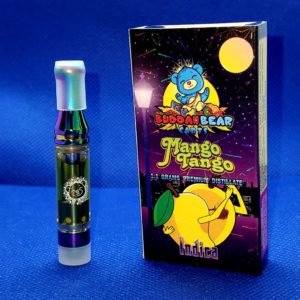
CARTRIDGES
Sale!

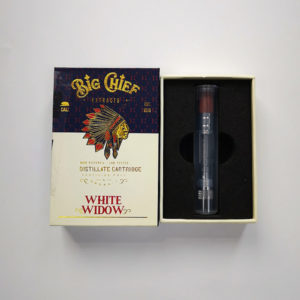
CARTRIDGES
Sale!

CARTRIDGES

HASH
$
70.00
–
$
305.00

CARTRIDGES
$
25.00

CARTRIDGES
$
25.00
Sale!

CARTRIDGES
Browse our categories


our services
free express delivery
When your order is more than $299, you receive FREE express delivery and can look forward to the worlds best medical marijuana and associate products delivered directly to your door
Exquisite Collection
We’re extremely picky about product quality & our collection is constantly being refined & is comprised of the finest buds known to humankind
Top-notch Support
We pride ourselves in providing exceptional support and we’re among the few offering dedicated 24/7 chat support to our valued customers.
Cannabis Terpenes, Aroma, And The Entourage Effect Explained
Cannabis is often described through its THC or CBD content, yet cannabinoids are only part of the plant’s chemical profile. Terpenes contribute much of the aroma, flavour and sensory character found in flower, hash, live resin, vape cartridges and other extracts. They are also being studied for how they may interact with cannabinoids and the body’s endocannabinoid system.
The term “entourage effect” describes the theory that cannabis compounds can influence one another, producing effects that differ from those associated with an isolated molecule. This idea has shaped modern product development, from terpene-rich live resin to carefully formulated oils and vape products. It remains an active area of scientific research rather than a universal explanation for every experience.
For Australian consumers, understanding the chemistry is especially useful because the local cannabis market operates within a strict legal framework. Medicinal cannabis is generally accessed through an authorised medical pathway, while recreational cannabis remains prohibited under federal law and most state and territory laws. Rules can differ in the Australian Capital Territory, and driving with THC in the system can create serious legal risk even when a product was prescribed.
A terpene label is therefore best viewed as one piece of information among several. Product testing, accurate cannabinoid content, manufacturing standards, storage conditions and lawful sourcing all matter. Learning how these factors connect can help readers interpret marketing claims more carefully and make informed decisions within Australian regulations.
What Terpenes Do In The Cannabis Plant
Terpenes are volatile aromatic compounds produced by many plants. In cannabis, they are synthesised in glandular trichomes, the tiny resin-producing structures that also contain cannabinoids such as THC and CBD. The same broad families of compounds occur in herbs, citrus fruit, spices, flowers and trees.
Myrcene, limonene, pinene, linalool, caryophyllene and humulene are among the terpenes commonly identified in cannabis. Each has a distinctive scent profile. Myrcene may smell earthy or musky, limonene is associated with citrus, pinene can resemble pine needles, while linalool has a floral character.
These molecules may serve the plant by discouraging herbivores, attracting beneficial organisms or helping it respond to environmental stress. Their concentration can vary according to genetics, growing conditions, harvest timing, drying, curing and extraction methods. Two products with the same THC percentage can therefore smell and taste very different.
A terpene is not the same as a strain name. Labels such as “Kush,” “Haze” or “Cookies” can provide useful commercial shorthand, but they do not guarantee a consistent chemical profile. A certificate of analysis or batch-specific laboratory report is more informative when available.
How Aroma Compounds Interact With Cannabinoids
Cannabinoids act primarily through receptors and signalling pathways in the endocannabinoid system, which helps regulate processes including mood, appetite, pain perception, sleep and immune activity. THC has a strong relationship with CB1 receptors in the nervous system, while CBD has a more complex and indirect pharmacological profile.
Terpenes can affect biological systems through different pathways, including sensory receptors, inflammatory signalling and neurotransmitter activity. Laboratory studies have investigated whether some terpenes may alter the way cannabinoids are absorbed, metabolised or experienced. However, results from cell cultures or animal models cannot automatically predict what will happen in a person using a commercial product.
The entourage effect is best understood as a proposed interaction between multiple cannabis constituents. This may include THC, CBD, minor cannabinoids, terpenes and other plant compounds. The concept does not mean that every combination will produce a stronger or better outcome, nor does it establish that a particular terpene reliably creates a specific mood.
Human research is still developing. Many products contain changing ratios of compounds, and people differ in tolerance, metabolism, medication use and expectations. Controlled clinical trials are needed to separate genuine pharmacological effects from differences caused by dose, context, product quality or consumer belief.
The Main Terpenes Found In Cannabis
Myrcene is often associated with earthy, herbal and fruity aromas. It appears in cannabis as well as plants such as hops and lemongrass. Limonene has a bright citrus scent and is also found in lemon and orange peel. Pinene commonly contributes a fresh, resinous aroma reminiscent of pine forests.
Linalool has a soft floral profile and occurs in lavender and several culinary plants. Beta-caryophyllene is peppery and spicy, and it has attracted scientific interest because it can interact with CB2 receptors. Humulene may add woody or hop-like notes and is found in hops and other aromatic plants.
- Myrcene: earthy, musky and sometimes fruity
- Limonene: citrus, bright and zesty
- Pinene: pine, resinous and fresh
- Linalool: floral, sweet and herbaceous
- Beta-caryophyllene: peppery, woody and spicy
These descriptions are useful for interpreting a product’s sensory profile, but they should not be treated as guaranteed effects. A limonene-rich cartridge is not automatically energising, and a myrcene-rich flower is not automatically sedating. The full chemical composition, dose and individual response remain important.
Terpenes may also degrade or transform over time. Heat, oxygen, light and poor packaging can reduce aroma intensity and alter the flavour of flower or concentrates. This is especially relevant to Australian consumers storing products through hot summers in Brisbane, Sydney or Perth, where a parcel or vehicle can become much warmer than the surrounding room.
Why Extraction Changes The Terpene Profile
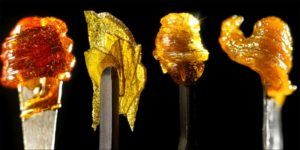
Different extraction methods preserve or remove compounds in different ways. Live resin is generally produced from cannabis that is frozen soon after harvest, helping retain volatile compounds that may be lost during conventional drying and curing. Other concentrates may use dried material and further refinement, creating a different balance of cannabinoids and terpenes.
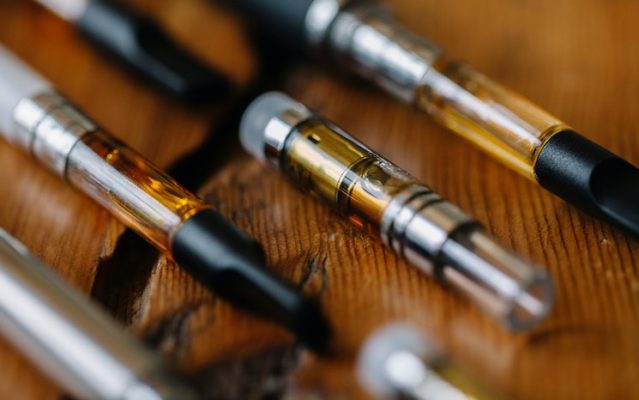
Vape cartridges can contain cannabis extract, added botanical terpenes, or a blend of both, depending on the product. Added terpenes may recreate a familiar aroma, but they do not necessarily reproduce the full chemical complexity of fresh plant resin. Consumers should look for transparent ingredient information and avoid assuming that a flavour name describes the whole formulation.
Storage has a direct effect on quality. Concentrates should generally be protected from excessive heat, light and air, while cartridges should be kept upright when the manufacturer advises it. A detailed guide on storing live resin can help explain why temperature and container design matter for flavour preservation.
Extraction also affects texture and consistency. Rosin, resin, hash and distillate may have different terpene levels because of their starting material and processing conditions. Distillate, for example, may be highly refined and later blended with terpenes, while a full-spectrum extract may retain a broader selection of plant compounds.
Reading Labels And Laboratory Reports
A product label should distinguish between total THC, total CBD and the amount of each compound per unit. For flower, potency may be listed as a percentage; for oils, capsules or edibles, it may be stated per millilitre or serving. A terpene panel can add useful detail by listing the dominant compounds and their measured concentrations.
Laboratory reports may also show contaminants, residual solvents, heavy metals, pesticides and microbial testing. These checks are particularly important for inhaled products because the lungs are exposed directly to the vapour or aerosol. Attractive packaging and a long strain description cannot replace independent quality testing.
Consumers comparing online retailers should examine batch information, contact details, payment security and clear legal terms. A page such as this one-euro casino review illustrates why review pages and external signals should be assessed in context rather than treated as automatic proof of a product’s safety or legitimacy. The category of a review matters, and so does the evidence behind its claims.
Australian buyers should also confirm whether a product can legally be supplied to them. Medicinal cannabis products are regulated through the Therapeutic Goods Administration, and many are prescribed through a doctor or authorised prescriber. Claims of international delivery do not override Australian import controls, state laws or border enforcement.
What The Evidence Says About The Entourage Effect
Supporters of the entourage effect point to studies suggesting that a whole-plant preparation may behave differently from a purified cannabinoid. Some research has examined whether terpenes influence receptor activity, inflammation or the way THC is experienced. These findings provide plausible mechanisms, but they do not prove that every terpene combination creates a predictable therapeutic result.
The evidence is complicated by inconsistent terminology. “Full spectrum,” “broad spectrum” and “whole plant” can mean different things across products and jurisdictions. Some formulations contain trace amounts of numerous compounds, while others contain only selected cannabinoids and added flavouring terpenes. Without a standard definition, comparing studies and products can be difficult.
Dosage is another major variable. A terpene concentration found in a laboratory experiment may be much higher than the amount inhaled or ingested by a consumer. Route of administration also changes absorption. Vaping, smoking, oral oils and edibles can produce different onset times and duration, making personal comparisons unreliable.
For now, the most accurate position is that cannabis compounds may interact, but the size and significance of those interactions remain uncertain. Terpene profiles can help explain aroma and may contribute to subjective differences, yet they should not be used as a substitute for medical advice or as a guarantee of a particular outcome.
Australian Considerations For Cannabis Consumers
Australia’s legal environment makes product education especially important. Recreational cannabis remains unlawful in most of the country, and possession, cultivation, supply and use can attract penalties depending on the jurisdiction. The ACT has limited personal-use provisions, but these do not create a nationwide right to buy, sell or transport cannabis.
Medicinal cannabis access normally involves a prescription and an approved supply pathway. Travelling between states, carrying products through airports or importing products from overseas can involve additional rules. Driving is another concern: roadside drug-testing regimes may detect THC, and a prescription does not necessarily protect a driver from every offence.
Local conditions also affect storage and use. A consumer in Melbourne may store products through cool winters and warm summer days, while someone in Darwin faces high humidity and heat for much of the year. Keeping products in their original child-resistant packaging and following pharmacist or manufacturer instructions is safer than relying on informal storage habits.
The domestic market includes pharmacies, authorised clinics, regulated manufacturers and a growing range of educational websites. Quality THC Portal discusses products such as flower, pre-rolls, hash, live resin and vape cartridges, but any Australian reader should independently verify legality, product provenance and applicable health guidance before acting on online information.
Using Terpene Information Responsibly
Terpene knowledge is most useful when it supports careful comparison rather than exaggerated promises. Look for a complete ingredient list, realistic potency information, recent batch testing and storage guidance. Be cautious when a product assigns a guaranteed emotional or medical result to a single aromatic compound.
People taking prescription medicines, managing a health condition, pregnant or breastfeeding should seek advice from a qualified Australian healthcare professional before using cannabis products. THC can impair attention and coordination, and combining it with alcohol or sedating medicines may increase risk. New users should avoid making assumptions based on a product’s strain name or aroma.
- Check the cannabinoid and terpene profile
- Review batch testing and contaminant results
- Store products away from heat, light, children and pets
- Follow Australian prescription and transport requirements
- Avoid driving after THC use
Aroma can still be a valuable quality signal. Fresh, distinct fragrance may suggest that volatile compounds have been preserved, while a burnt, chemical or stale smell can indicate poor handling. It is not a definitive safety test, but it can prompt closer examination of the packaging, date and laboratory information.
Understanding the science also helps separate useful education from marketing language. The entourage effect remains a promising research concept, not a blanket guarantee. Consumers who combine chemical information with legal awareness, responsible storage and professional advice are better positioned to evaluate cannabis products in the Australian context.
Explore the educational resources available through Quality THC Portal to learn more about extracts, cartridges, live resin and cannabis chemistry. Review product information carefully, verify the rules that apply in your Australian state or territory, and use qualified medical or pharmacy guidance whenever cannabis is being considered for health-related purposes.