No products in the cart.
QUALITY THC PORTAL - BUY QUALITY THC PRODUCTS ONLINE - FAST DELIVERY
Welcome to Quality THC Portal. We are premium suppliers of Quality THC Products. We supply in bulk and small quantities the following products; Package weed , Pre-rolls , Vape cartridges and Marijuana concentrates. We deliver to most countries around the world and delivery is fast and secured. Our website is well encrypted to product all your information we receive to process your orders and also we have a well setup and stable customer service team who are always available to assist you incase of any difficulty while trying to make purchase on our website. We are certain you shall enjoy our services.
Best Selling Products
Sale!


CARTRIDGES
Sale!

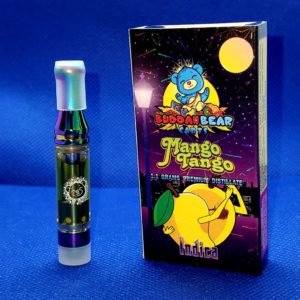
CARTRIDGES
Sale!

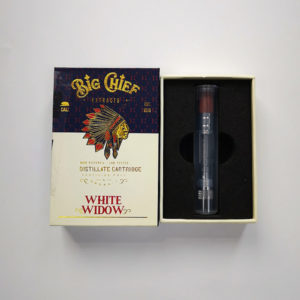
CARTRIDGES
Sale!

CARTRIDGES

HASH
$
70.00
–
$
305.00

CARTRIDGES
$
25.00

CARTRIDGES
$
25.00
Sale!

CARTRIDGES
Browse our categories


our services
free express delivery
When your order is more than $299, you receive FREE express delivery and can look forward to the worlds best medical marijuana and associate products delivered directly to your door
Exquisite Collection
We’re extremely picky about product quality & our collection is constantly being refined & is comprised of the finest buds known to humankind
Top-notch Support
We pride ourselves in providing exceptional support and we’re among the few offering dedicated 24/7 chat support to our valued customers.
How THC Percentage Labels Reveal Product Potency
THC percentage is one of the most visible numbers on cannabis packaging, but it is easy to misunderstand. A label that shows 25% THC does not automatically tell you how much THC you will absorb, how intense the experience will feel, or whether the product is better than one with a lower figure.
The percentage usually describes the concentration of cannabinoids by weight. That makes it useful for comparing similar products, such as two flower strains or two vape cartridges. However, product format, serving size, freshness, extraction method, and individual tolerance also shape the practical experience.
Learning to read the complete package gives you a more reliable picture than focusing on the largest number. THC content, total cannabinoids, batch testing, net weight, and recommended serving information all work together to describe potency.
What The THC Percentage Actually Means
On cannabis flower, a THC percentage represents the approximate amount of THC in the product by weight. For example, 20% THC means that about 20% of the flower’s mass consists of THC, assuming the label is reporting active THC rather than only its precursor. One gram of flower at 20% THC contains roughly 200 milligrams of THC before losses from grinding, heating, and combustion.
That figure is a concentration, not a guaranteed dose. If the package contains 3.5 grams at 20% THC, the theoretical THC content is approximately 700 milligrams across the entire package. A person using a small portion will encounter only part of that amount, and the actual absorbed quantity will be lower and more variable.
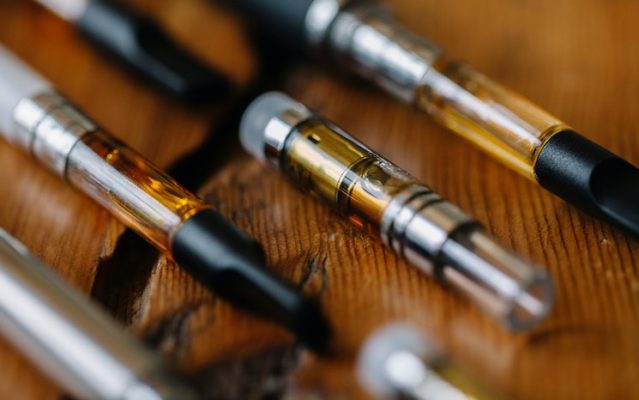
Vape cartridges and concentrates often display much higher percentages because extraction removes plant material and concentrates cannabinoids. A cartridge labeled 75% THC may be stronger by concentration than flower labeled 22%, but that does not mean a person should compare the two as if they were equivalent servings. The delivery method can produce a different onset, duration, and pattern of use.
THC, THCA, And Total THC
Fresh cannabis flower naturally contains substantial THCA, which is the acidic precursor to THC. Heat converts some THCA into active THC through decarboxylation. This occurs during smoking, vaping, and cooking, although the conversion is not perfectly complete.
Packaging may list separate figures for THC and THCA, followed by a “total THC” value. A commonly used calculation is:
Total THC = THC + (THCA × 0.877)
The 0.877 factor accounts for the loss of molecular mass when THCA converts into THC. If a label shows 2% THC and 24% THCA, the estimated total THC would be about 23%, rather than 26%. The exact result can vary with laboratory methods and rounding practices.
Some labels emphasize “THC” in large print while placing the total THC figure elsewhere in smaller text. Check whether the prominent number refers to active THC, potential THC, or total THC. This distinction is especially important when comparing raw flower with distillate, live resin, hash, or other extracts.
Why Potency Numbers Differ
Cannabis testing is performed on a particular batch, not on every individual piece of flower or every puff from a cartridge. Natural variation can occur within the same harvest. Buds from different parts of a plant may contain slightly different cannabinoid concentrations, and storage conditions can affect the product over time.
Laboratories may also use different testing procedures, equipment, and reporting conventions. Two products with similar chemical profiles can show modestly different results depending on the laboratory and the date of testing. A number such as 24.8% should therefore be treated as an estimate, not a measurement with absolute precision.
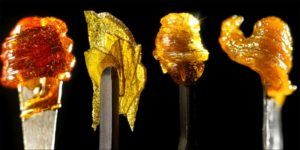
Marketing can make unusually high figures seem like a quality guarantee, but potency is only one characteristic. Terpene content, moisture, curing, cleanliness, extraction quality, and freshness may influence the overall experience. For consumers interested in hash or other concentrates, learning to assess physical characteristics alongside laboratory information can add useful context; this guide to identifying quality hash explains why appearance and aroma deserve attention.
Reading The Complete Package
Look first for the batch or lot number and the date of testing. A recent certificate of analysis, often called a COA, should correspond to that specific batch. Depending on the jurisdiction, the report may include cannabinoid levels, terpene results, moisture, pesticides, heavy metals, residual solvents, and microbial testing.
Next, identify whether the label gives a percentage, milligrams per gram, or total milligrams per package. These formats are related, but they answer different questions. A percentage describes concentration, while total milligrams indicate the approximate amount contained in the full product.
The product’s net weight is equally important. A 1-gram cartridge and a 2-gram cartridge can carry the same THC percentage while containing different total amounts. Likewise, a 3.5-gram flower package at 18% THC contains less total THC than a 7-gram package at the same percentage.
For inhalable products, examine the ingredients and hardware information. A transparent ingredient list, manufacturer details, batch identification, and appropriate testing statements offer more useful evidence than a bold potency claim alone. Consumers should also verify that purchasing, possession, and delivery are lawful in their location.
Comparing Potency Across Product Formats
Percentage labels are most useful when comparing products within the same category. Flower, pre-rolls, hash, live resin, rosin, wax, and vape oils have different cannabinoid densities and different ways of delivering THC. A lower percentage product may still feel more noticeable if it is inhaled efficiently or used in a larger amount.
| Product format | Common label focus | What the number tells you | Important comparison point |
|---|---|---|---|
| Flower | THC and THCA percentage | Cannabinoid concentration by weight | Net weight and combustion losses affect actual intake |
| Pre-roll | THC percentage or total milligrams | Estimated potency of the filled product | Size, blend, and uneven distribution can change the result |
| Hash | THC or total cannabinoid percentage | Concentration in pressed or separated resin | Texture, purity, and preparation affect how it is used |
| Live resin | THC percentage plus terpene profile | Potency of a fresh-frozen extract | Terpenes and extraction quality add context |
| Vape cartridge | THC percentage and oil weight | Strength of the cartridge oil | Cartridge size and puff length determine total intake |
| Edible | Milligrams per serving and package | THC in each serving and the whole package | Digestion produces a slower, longer-lasting effect |
Concentrates deserve particular caution because a small amount can contain a large quantity of THC. A 0.5-gram extract labeled at 80% THC contains approximately 400 milligrams of THC in the oil before handling and device losses. That calculation describes the cartridge or concentrate as a whole, not a recommended single use.
Pre-roll labels can also be confusing. Some packages list total THC for the entire pre-roll, while others show a percentage based on the flower inside. If a product includes hash, kief, or an infused concentrate, the final potency may be higher than standard flower even when the base material has a familiar strain name.
Turning Percentage Into A Practical Estimate
To estimate the total THC in flower, convert the percentage into a decimal and multiply it by the weight in grams. A 1-gram product at 18% THC contains about 180 milligrams of theoretical THC. A 3.5-gram package at 18% contains about 630 milligrams. These are simple estimates and do not account for combustion, vaporization efficiency, or incomplete conversion.
For a cartridge, use the oil weight rather than assuming the device contains one gram. A 0.5-gram cartridge at 80% THC contains approximately 400 milligrams of THC. If the product is used over many sessions, that total can help explain why a cartridge may last longer or shorter than expected.
Do not treat these calculations as a precise prediction of effects. Inhalation technique, breath patterns, device temperature, tolerance, body chemistry, and recent food or alcohol use can all alter the experience. Edibles are especially difficult to compare with inhaled cannabis because the onset is delayed and the body processes THC differently.
When trying an unfamiliar product, legal guidance commonly favors starting with a small amount and waiting long enough to assess the result before using more. Avoid combining cannabis with alcohol or other intoxicating substances, and do not drive or operate machinery after using THC. Products should be kept secured and away from children and pets.
Practical Label-Reading Habits
A careful approach can make potency information more useful than a single headline number. Use these habits when reviewing flower, vape cartridges, concentrates, or pre-rolls:
- Compare products in the same format before comparing products across formats.
- Check whether the package shows active THC, THCA, or calculated total THC.
- Multiply potency by net weight to estimate total THC in the package.
- Review the batch date, certificate of analysis, ingredients, and contaminant testing.
- Treat extremely high percentages as one factor, not automatic proof of superior quality.
It is also helpful to record the product name, cannabinoid profile, approximate amount used, and general timing of effects. This creates a personal reference point without assuming that every product with the same percentage will feel identical. Terpene profiles may offer additional descriptive information, but they do not replace potency, safety, or batch-testing details.
For online cannabis shopping, product pages should provide clear photographs of packaging, current batch data where available, and straightforward descriptions of weight and concentration. Encrypted ordering and customer support may improve the purchasing process, but they do not replace checking local regulations or confirming what is actually included in the package.
Choose With Better Context
THC percentage labels become much easier to interpret when you connect them with net weight, total milligrams, product format, THCA content, and laboratory testing. The most useful question is rarely “Which product has the highest number?” It is usually “How concentrated is this product, how much does the package contain, and how does that format fit my experience and needs?”
Before placing an order, read the full cannabinoid panel and compare the batch information with the product description. Choose a clearly labeled item from a lawful source, use it responsibly, and keep the packaging available for reference. Quality THC Portal’s product information and support channels can help shoppers review available flower, cartridges, pre-rolls, hash, and concentrates with the label details in view.