No products in the cart.
QUALITY THC PORTAL - BUY QUALITY THC PRODUCTS ONLINE - FAST DELIVERY
Welcome to Quality THC Portal. We are premium suppliers of Quality THC Products. We supply in bulk and small quantities the following products; Package weed , Pre-rolls , Vape cartridges and Marijuana concentrates. We deliver to most countries around the world and delivery is fast and secured. Our website is well encrypted to product all your information we receive to process your orders and also we have a well setup and stable customer service team who are always available to assist you incase of any difficulty while trying to make purchase on our website. We are certain you shall enjoy our services.
Best Selling Products
Sale!


CARTRIDGES
Sale!


CARTRIDGES
Sale!

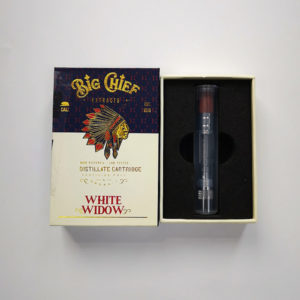
CARTRIDGES
Sale!

CARTRIDGES

HASH
$
70.00
–
$
305.00

CARTRIDGES
$
25.00

CARTRIDGES
$
25.00
Sale!

CARTRIDGES
Browse our categories


our services
free express delivery
When your order is more than $299, you receive FREE express delivery and can look forward to the worlds best medical marijuana and associate products delivered directly to your door
Exquisite Collection
We’re extremely picky about product quality & our collection is constantly being refined & is comprised of the finest buds known to humankind
Top-notch Support
We pride ourselves in providing exceptional support and we’re among the few offering dedicated 24/7 chat support to our valued customers.
How to Assess Hash Quality by Sight and Smell
Hash is a concentrated cannabis product made by collecting and compressing trichomes, the resin glands that contain cannabinoids and aromatic terpenes. Because those trichomes carry much of the plant’s character, the appearance and scent of a piece can reveal useful information before it is handled or consumed.
Learning how to identify high-quality hash by sight and smell requires more than looking for the darkest color or the strongest odor. Good material can vary from pale blond to deep brown and may be soft, firm, crumbly, or glassy depending on the strain, extraction method, age, and storage conditions. The goal is to recognize a balanced set of signs rather than rely on a single feature.
Visual and aromatic checks cannot replace independent laboratory testing. They can, however, help shoppers notice poor storage, contamination, excessive dryness, or a product that does not match its description. Always consider local laws, purchase from lawful sources, and review available information about potency and contaminants.
What Hash Reveals At First Glance
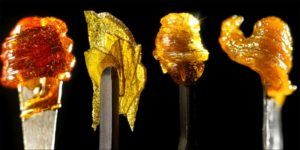
Fresh hash often has a cohesive appearance. It may hold together when gently pressed without feeling wet, sticky, or oily on the surface. Depending on its style, it can appear sandy and granular, pliable like putty, flaky, or dense and polished. Small variations are normal because traditional pressed hash, dry sift, bubble hash, and modern resin products are produced differently.
Color should be evaluated in context. Light tan, golden, olive, reddish-brown, and dark brown shades can all occur naturally. A lighter color may suggest a cleaner sift or less heat exposure, while darker tones can result from oxidation, pressure, plant material, or processing. Color alone does not prove potency, purity, or freshness.
Look for an even, natural surface rather than an artificial shine. A uniform piece with a consistent interior is generally more reassuring than material containing obvious fibers, grit, white fuzz, or unrelated particles. Mold may look powdery, web-like, or patchy, and it can appear in white, gray, green, or blue tones. Any suspicious growth is a reason to avoid the product entirely.
Texture, Trichomes, And Freshness
Texture offers clues about how hash was made and how it has been stored. Dry-sift products may break apart into fine grains, while water-extracted varieties can have a more sandy or resinous consistency. Pressed hash may become softer with warmth and firmer in a cool environment. These differences are not automatically quality problems.
The key is balance. Hash that is excessively hard, brittle, or dusty may have lost moisture and aroma through age or poor packaging. Material that is unnaturally greasy, wet, or difficult to separate may contain added oils or have been exposed to excessive heat. A small amount of pliability is often preferable to either extreme, although the ideal texture depends on the product type.
When permitted and safe to do so, inspect a broken edge rather than judging only the outside. A clean interior with fine resinous particles is more encouraging than a fibrous center filled with visible plant fragments. Some plant material is expected in traditional preparations, but large stems, seeds, dirt, or sharp grit indicate poor refinement or mishandling.
Storage plays a major role in freshness. Light, oxygen, heat, and repeated temperature changes can degrade cannabinoids and flatten terpene expression. Airtight, opaque packaging kept in a cool, stable place generally protects quality better than a loose bag or transparent container left in a warm environment.
Aroma Is A Stronger Clue Than Color
High-quality hash usually has a distinct cannabis aroma that may include pine, citrus, earth, spice, fuel, fruit, floral notes, or fresh herbs. The scent should feel layered rather than simply harsh. When resin has been carefully collected and protected from heat, its fragrance can be concentrated and surprisingly complex.
A muted smell does not always mean the product is poor. Some varieties are naturally subtle, and cold storage can temporarily reduce aroma until the sample reaches room temperature. Age, packaging, and the extraction style also affect how strongly it smells. Give the product a short period to acclimate before evaluating it, without heating or manipulating it aggressively.
Pay attention to warning odors. A sharp chemical scent, perfume-like fragrance, burnt plastic note, or strong solvent smell may suggest contamination, residual processing materials, or artificial additives. A musty basement odor, sour decay, or ammonia-like smell can indicate microbial activity or degradation. These signs should outweigh an attractive appearance.
A good aroma tends to remain identifiable after a brief exposure rather than disappearing instantly. It may become more expressive when the piece is gently warmed by the fingers, but it should not require a flame or high heat to produce a smell. Avoid inhaling deeply from an unknown product; a short, cautious assessment is enough.
A Side-By-Side Quality Check
The table below summarizes practical observations. It is a screening guide, not a substitute for a certificate of analysis or regulated testing.
| Feature | More reassuring signs | Warning signs |
|---|---|---|
| Color | Natural tan, gold, green, reddish, or brown tones with an even appearance | Unexplained discoloration, bright artificial dye-like tones, or spreading dark patches |
| Surface | Cohesive, resinous, granular, flaky, or naturally pressed texture | White fuzz, webbing, visible grit, fibers, or a wet glossy coating |
| Interior | Consistent color and fine resinous particles when gently separated | Large stems, seeds, dirt, hollow areas, or foreign material |
| Firmness | Texture appropriate to the style; slightly pliable or cleanly crumbly | Rock-hard dust, excessive grease, or a damp paste without explanation |
| Aroma | Layered cannabis scent with earthy, pine, citrus, floral, fruit, or spice notes | Solvent, perfume, plastic, mildew, ammonia, or rotting odors |
| Freshness | Aroma remains present and packaging appears intact | Flat scent, stale odor, leaking package, or evidence of heat exposure |
| Information | Clear product type, batch details, potency, and testing information | Vague labeling, unsupported potency claims, or no traceable product details |
Packaging, Testing, And Product Claims
A careful inspection begins before the package is opened. Check whether the seal is intact, the container is suitable for an aromatic concentrate, and the label identifies the product clearly. Useful details may include the hash type, strain or cultivar, cannabinoid content, production or packaging date, batch number, and storage guidance.
Laboratory results are especially valuable for concentrates because visual inspection cannot detect pesticides, heavy metals, microbial contamination, residual solvents, or inaccurate potency. A credible certificate of analysis should connect to a specific batch and identify the testing laboratory. Generic claims about purity without traceable documentation deserve caution.
Product descriptions should also make sense. A traditional pressed hash, dry sift, ice-water hash, and solvent-based extract may have very different appearances and aromas. Comparing each item with the characteristics of its stated category is more useful than expecting every product to look like a single ideal sample.
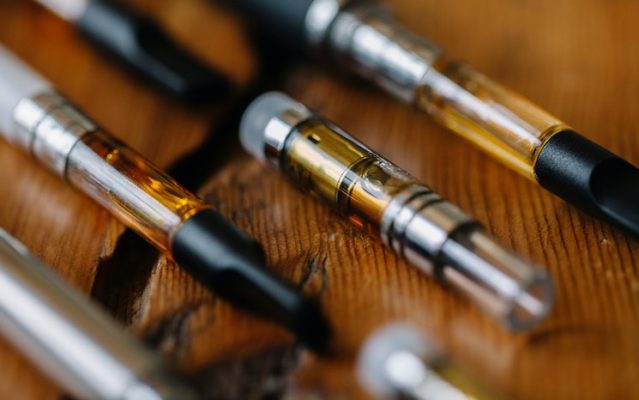
Shoppers comparing concentrates may also benefit from learning how formulation affects other cannabis products. This vape cartridge guide explains why hardware, oil consistency, terpene profile, and lab information matter when evaluating cartridges. The same habit of checking product details applies to hash: identify what it is, how it was made, and what evidence supports the claims.
A Practical Inspection Routine
A consistent routine reduces the chance of being swayed by dramatic color or an intense scent. Begin with the package and label, then inspect the exterior under neutral light. If the product appears safe and the packaging allows examination, assess a small section rather than repeatedly exposing the entire portion to air.
Use the following recommendations:
- Compare the appearance with the advertised hash style instead of judging color in isolation.
- Look for natural texture and reject products with mold-like growth, foreign particles, or unexplained residue.
- Smell briefly for a layered cannabis aroma and avoid solvent, plastic, mildew, or rotting notes.
- Confirm batch information, potency details, testing documentation, and appropriate storage before buying.
- Keep accepted material sealed, cool, dark, and away from repeated handling to preserve aroma and texture.
Do not use taste as a quality test. Consuming an unknown sample to determine whether it is genuine can expose a person to contaminants that cannot be detected by the senses. If the appearance or smell raises doubts, the safest choice is to set the product aside and seek a documented alternative.
It is also wise to take notes when comparing several products. Record color, texture, aroma, packaging quality, and available test information. Over time, this creates a more reliable personal reference than memory alone and helps distinguish natural variation from recurring quality problems.
Buy With Clear Standards
A trustworthy purchasing decision combines sensory observation with transparent information. Strong aroma and attractive texture may indicate well-preserved resin, but they cannot confirm cannabinoid levels or safety. Conversely, a subtle-smelling product may still be clean and well made if it has been stored carefully and supported by credible testing.
For shoppers reviewing available cannabis products, Quality THC Portal provides a place to examine product categories and accompanying information before making a decision. Review the description, packaging details, delivery terms, and customer support options, then compare those claims with your own standards for traceability and safe handling.
Take time to inspect hash under good light, smell it cautiously, and reject anything that suggests contamination or artificial treatment. Choose products with clear documentation and responsible storage, and keep them secured according to local requirements. A measured sensory check paired with reliable testing information makes it easier to select resin that is authentic, fresh, and appropriate for its advertised type.