No products in the cart.
QUALITY THC PORTAL - BUY QUALITY THC PRODUCTS ONLINE - FAST DELIVERY
Welcome to Quality THC Portal. We are premium suppliers of Quality THC Products. We supply in bulk and small quantities the following products; Package weed , Pre-rolls , Vape cartridges and Marijuana concentrates. We deliver to most countries around the world and delivery is fast and secured. Our website is well encrypted to product all your information we receive to process your orders and also we have a well setup and stable customer service team who are always available to assist you incase of any difficulty while trying to make purchase on our website. We are certain you shall enjoy our services.
Best Selling Products
Sale!


CARTRIDGES
Sale!


CARTRIDGES
Sale!

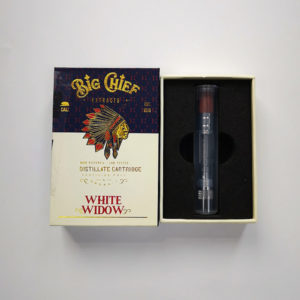
CARTRIDGES
Sale!

CARTRIDGES

HASH
$
70.00
–
$
305.00

CARTRIDGES
$
25.00

CARTRIDGES
$
25.00
Sale!

CARTRIDGES
Browse our categories


our services
free express delivery
When your order is more than $299, you receive FREE express delivery and can look forward to the worlds best medical marijuana and associate products delivered directly to your door
Exquisite Collection
We’re extremely picky about product quality & our collection is constantly being refined & is comprised of the finest buds known to humankind
Top-notch Support
We pride ourselves in providing exceptional support and we’re among the few offering dedicated 24/7 chat support to our valued customers.
How to Tell If Your Hash Has Been Overly Processed
Hash is made by collecting and compressing cannabis trichomes, the resin-rich structures that contain cannabinoids, terpenes, and other aromatic compounds. Traditional methods can produce anything from a dry, sandy concentrate to a soft, pliable resin. Processing is not automatically a flaw; the important question is whether the material has been handled in a way that preserves its natural character.
Overworked or heavily altered hash may lose its aroma, crumble unnaturally, burn poorly, or show signs of added filler. Some changes are caused by age, heat, moisture, or poor storage rather than deliberate tampering, so judging a concentrate requires several clues instead of one quick test.
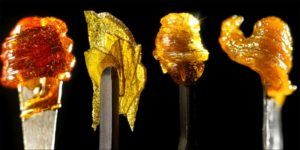
Learning to assess texture, smell, appearance, and behavior can help buyers make more informed decisions. A useful visual reference is this visual hash guide, which explains how sight and aroma can reveal differences between clean, resinous material and lower-quality product.
What Processing Does To Hash
Hash production usually involves separating trichomes from cannabis plant material and then applying pressure, mild heat, water, or another form of mechanical action. Dry sift, ice-water hash, hand-rubbed hash, and pressed kief each have different appearances. A dark exterior, smooth surface, or firm consistency does not automatically mean the product has been damaged.
The concern begins when processing removes too much of the natural resin profile or changes the product with excessive heat, solvents, oils, waxes, or unknown additives. Repeated reheating can flatten the terpene profile and make the concentrate look glossy while reducing its distinctive scent. Over-compression can also create a dense block that has little aroma and an unusually uniform texture.
Some commercial products are refined intentionally for consistency. That may be acceptable when the ingredients, production method, and laboratory results are clearly disclosed. The issue is uncertainty: when hash has an artificial appearance or chemical smell and the seller cannot explain how it was made, caution is appropriate.
Examine The Surface And Color
Fresh, well-preserved hash can range from pale blond or golden brown to olive, reddish brown, or nearly black. Color depends on cultivar, harvest maturity, drying conditions, trichome type, and processing technique. A darker outside with a lighter interior can occur naturally when oxygen and pressure affect the surface.
Overly processed material often looks strangely uniform. It may have a perfectly shiny coating, a plastic-like sheen, or a color that seems painted rather than resinous. Extremely bright colors can be concerning when they do not match the expected appearance of the product type. Specks of plant matter are not automatically a defect, but a large amount of green fiber suggests poor separation rather than a refined concentrate.
Look for a texture that fits the stated style. Dry sift may be granular and powdery, while bubble hash can range from crumbly to sticky depending on its moisture content. Pressed hash should generally show some variation and natural compression marks. If it resembles a molded candy, rubber eraser, or soft modeling compound without a corresponding resin aroma, it may have been excessively manipulated or blended with another substance.
Use Aroma As A Quality Signal
Aroma is one of the most useful ways to evaluate cannabis resin. Depending on the cultivar, hash may smell earthy, piney, floral, citrusy, spicy, sweet, fuel-like, or skunky. The scent should feel integrated rather than consisting of one sharp artificial note. A small amount of fragrance can be more informative than a dramatic visual presentation.
Overprocessed hash often has a weak, flat, or dusty smell because volatile terpenes have been lost through heat, age, or repeated exposure to air. Other warning signs include perfume, solvent, plastic, burnt rubber, strong petroleum, or chemical cleaning odors. These scents can indicate contamination, packaging issues, or added flavoring. They should not be dismissed as simply “potent.”
Storage can also distort aroma. Hash kept in warm conditions may develop a stale or cooked smell, while material exposed to moisture can smell musty. A temporary packaging odor may fade after airing in a clean, controlled environment, but a persistent chemical or mold-like scent is a reason not to use the product.
Check Texture, Flexibility, And Break
Texture provides clues about moisture, resin content, and mechanical treatment. High-quality hash may crumble between the fingers, bend slightly, become tacky with warmth, or soften when gently handled. There is no single correct consistency. The product should, however, behave in a way that matches its advertised form.
Material that is rock-hard, glassy, or impossible to break may have been overheated and compressed excessively. At the opposite extreme, hash that feels oily, greasy, or unusually wet may contain added oil or retain too much moisture. A sticky surface alone is not proof of adulteration, since resin-rich concentrates can naturally be tacky, but the stickiness should be accompanied by a recognizable cannabis aroma.
A clean break can reveal the interior. Look for a reasonably consistent resin structure rather than layers of powder, fibers, or a waxy core. Crumbling into fine dust may indicate very dry hash, but it can also signal old or poorly cured material. If the product stretches like chewing gum or leaves an oily film on the fingers, treat that as a warning sign and avoid tasting it.
| Sign | May Indicate Normal Variation | More Concerning Pattern |
|---|---|---|
| Color | Brown, gold, blond, olive, or black depending on method and age | Artificially bright, painted-looking, or unnaturally uniform color |
| Aroma | Earthy, floral, spicy, citrus, pine, fuel, or sweet cannabis notes | Solvent, perfume, plastic, rubber, or mold-like odor |
| Texture | Crumbly, pliable, tacky, or firm according to hash type | Oily, rubbery, glassy, excessively wet, or candy-like |
| Interior | Some variation from pressure and trichome density | Filler-like layers, fibers, unexplained wax, or a greasy core |
| Heat response | Melts, bubbles, softens, or chars in a way consistent with the product | Violent sparking, chemical smoke, plastic odor, or unusual residue |
| Effects of age | Drier texture and muted aroma | Mustiness, visible mold, leaking oils, or severe degradation |
Interpret Heat And Burn Behavior Carefully
People sometimes use a small heat test to assess hash, but this method has limits. Hash can bubble, melt, soften, darken, or leave ash depending on its moisture level, trichome content, plant residue, and production technique. A single reaction cannot prove purity, and it should never be treated as a substitute for laboratory testing.
Excessively processed or contaminated material may produce an acrid smell, black oily residue, excessive smoke, sparks, or a plastic-like odor when heated. These signs are especially concerning when they appear alongside suspicious texture and weak cannabis aroma. Do not continue heating a sample simply to observe more dramatic effects.
Combustion also destroys useful evidence and can expose the user to irritating substances. If the product behaves strangely, the safest choice is to stop handling it for consumption, keep it away from children and pets, and contact the seller with photos and batch information. A reputable cannabis product store should be able to explain its product descriptions, packaging, and available testing information.
Separate Age And Storage Problems From Overprocessing
Not every poor-quality sample has been intentionally altered. Hash can degrade during transport or storage, especially when exposed to heat, sunlight, oxygen, or fluctuating temperatures. Terpenes evaporate, texture changes, and the surface may become dry or brittle. These effects can make an originally sound product seem overworked.
Mold and moisture damage require special attention. White, gray, or fuzzy growth, a damp basement-like smell, and spreading discoloration are not normal signs of aged resin. Do not scrape off a questionable patch and use the rest, because contamination may extend beyond what is visible. Condensation inside packaging is another warning that the material may have been stored under unsuitable conditions.
Packaging should provide useful information such as product type, batch or lot number, production date, cannabinoid content, and testing details where applicable. Vague labels, missing contact information, damaged seals, or claims that cannot be verified make quality assessment more difficult. Legal requirements vary by location, so buyers should follow local rules and rely on regulated testing where available.
Make A Safer Purchasing Decision
A careful assessment works best when several observations point in the same direction. One unusual characteristic may have a harmless explanation, while multiple warning signs deserve a firm response. Compare the product with the expected profile for its type, ask how it was produced, and give greater weight to transparent documentation than to impressive marketing language.
Laboratory testing is the strongest way to identify cannabinoid content and screen for contaminants such as pesticides, heavy metals, solvents, and microbial growth. Home appearance tests cannot detect everything. A hash sample can look appealing and still contain harmful contaminants, so products without credible testing deserve extra caution.
Use these practical checks before deciding whether to keep or reject a sample:
- Inspect the color, surface, and interior under neutral light rather than colored packaging light.
- Smell the hash for natural terpene notes and reject persistent chemical, moldy, or plastic odors.
- Compare its flexibility and break with the texture expected from its stated production method.
- Review the label, batch information, seal, and available certificate of analysis.
- Stop using the product if it sparks, produces unusual residue, or causes unexpected irritation.
Store Hash To Preserve Its Natural Profile
Proper storage can prevent good hash from becoming dry, stale, or overly hard. Keep it in an airtight, food-safe container away from direct sunlight, heaters, and warm vehicles. Stable, cool conditions are generally preferable to repeated temperature changes. Handling it with clean, dry tools also reduces the chance of introducing moisture or contaminants.
Avoid adding water, oils, flavorings, or other substances to restore a sample. These shortcuts can encourage microbial growth, change the cannabinoid profile, and make it impossible to determine what is actually in the concentrate. If hash has become unusually brittle from age, warming a sealed container briefly may soften it, but excessive heat can further reduce aroma and quality.
The best approach is to evaluate a product before use, preserve its packaging and batch details, and document any concern with clear photographs. Do not consume material that smells contaminated, shows mold, behaves like plastic, or lacks a credible source. When quality is uncertain, replacing the product is safer than trying to rescue it.
Use the sensory clues, packaging checks, and storage principles above to assess your hash with greater care. Compare several signs rather than relying on color or a single heat reaction, and choose products supported by transparent sourcing and appropriate laboratory information.