No products in the cart.
QUALITY THC PORTAL - BUY QUALITY THC PRODUCTS ONLINE - FAST DELIVERY
Welcome to Quality THC Portal. We are premium suppliers of Quality THC Products. We supply in bulk and small quantities the following products; Package weed , Pre-rolls , Vape cartridges and Marijuana concentrates. We deliver to most countries around the world and delivery is fast and secured. Our website is well encrypted to product all your information we receive to process your orders and also we have a well setup and stable customer service team who are always available to assist you incase of any difficulty while trying to make purchase on our website. We are certain you shall enjoy our services.
Best Selling Products
Sale!


CARTRIDGES
Sale!


CARTRIDGES
Sale!

CARTRIDGES
Sale!

CARTRIDGES

HASH
$
70.00
–
$
305.00

CARTRIDGES
$
25.00

CARTRIDGES
$
25.00
Sale!

CARTRIDGES
Browse our categories


our services
free express delivery
When your order is more than $299, you receive FREE express delivery and can look forward to the worlds best medical marijuana and associate products delivered directly to your door
Exquisite Collection
We’re extremely picky about product quality & our collection is constantly being refined & is comprised of the finest buds known to humankind
Top-notch Support
We pride ourselves in providing exceptional support and we’re among the few offering dedicated 24/7 chat support to our valued customers.
Reading THC Potency Claims With a Critical Eye
A bold THC percentage can make an unfamiliar flower, vape cartridge, or concentrate look like a bargain. Yet a number printed on a product page is only useful when it is supported by a credible certificate of analysis, a traceable batch number, and testing from an independent laboratory. Without those details, potency claims can be exaggerated, copied from another product, or presented without enough context to judge their reliability.
This matters particularly for Australian consumers buying through online channels. Recreational cannabis remains illegal across most of Australia, while medicinal cannabis is accessed through medical pathways and regulated products. The ACT has limited personal-possession provisions, but those rules do not override Commonwealth law or make commercial online supply generally lawful. Buyers in Sydney, Melbourne, Brisbane, Perth, and smaller regional towns should treat international delivery claims with care because customs, state law, and product classification can all affect an order.
Why Potency Numbers Deserve Scrutiny
THC potency is usually expressed as a percentage by weight. A flower labelled at 25% THC theoretically contains about 250 milligrams of THC per gram, although the practical experience can vary because of moisture, terpene content, storage, and individual tolerance. Concentrates and vape oils may use different reporting conventions, so comparing a flower percentage directly with a cartridge figure can be misleading.
Fake lab results often rely on impressive precision. A label showing 31.47% THC may appear scientific, but excessive decimal detail does not prove accuracy. In legitimate testing, the result should sit within a defined method and include related information such as the sample matrix, testing date, batch identifier, and laboratory credentials.
A single high number is also less meaningful than a consistent testing history. If several batches from an unfamiliar brand all claim exactly 30.00% THC, that uniformity may suggest marketing rather than independent measurement. Natural cannabis varies, and credible results commonly show modest differences between harvests, cultivars, and production runs.
Start With the Certificate, Not the Percentage
A trustworthy certificate of analysis, often called a COA, should identify the product and batch tested. Look for the brand or manufacturer name, product type, lot number, sample received date, test date, and a clear result for cannabinoids. The batch printed on the package should match the batch on the document exactly.
Laboratory information deserves equal attention. A report should name the testing facility, provide contact details, identify the analytical method, and state whether the laboratory operates under a recognised quality system. In Australia, claims involving medicinal cannabis should be considered alongside the TGA and applicable therapeutic-goods requirements. A generic “third-party tested” badge is weaker evidence than a complete, verifiable report.
The document should also make sense technically. Cannabinoid results might list THC, THCA, CBD, CBDA, CBG, and total potential THC. Total THC is often calculated using a conversion for acidic cannabinoids, so a report that simply adds every figure together may be poorly interpreted. Missing units, unexplained abbreviations, or a blurry screenshot are reasons to pause.
When comparing documents, focus on how specifications connect to use rather than choosing the biggest number. The same habit is useful in other technical purchases, where a gauge selection guide explains why a specification must match the intended application instead of being judged in isolation.
Signals Hidden in the Laboratory Details
Fake or recycled reports often leave small inconsistencies. Check the document carefully for these warning signs:
- The batch number on the COA does not appear on the product label or packaging.
- The report names a different brand, strain, product type, or sample weight.
- The laboratory has no working website, address, phone number, or method information.
- Fonts, logos, dates, or formatting change across pages in a way that suggests editing.
- The potency result is unusually high while moisture, cannabinoid totals, or other fields are missing.
- The same PDF appears under multiple product names or carries an old test date.
A laboratory logo alone proves very little. Some unverified brands copy genuine reports from established companies and replace the product name or percentage. Search the lab independently rather than relying on a link supplied by the seller, and check whether it actually offers cannabis cannabinoid testing.
Dates matter because a valid report describes a specific sample at a specific time. An old COA may still be genuine, but it cannot automatically confirm a new batch. Cannabis can lose potency or develop quality problems through heat, oxygen, light, and poor storage, so a current test is more useful than a polished document from several years ago.
Compare Evidence Across Product Types
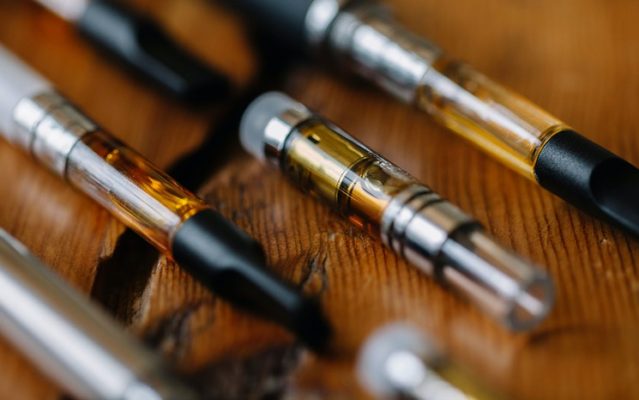
The form of cannabis can reveal whether a potency claim is being presented responsibly. Flower should usually include a batch result and, ideally, information about moisture and contaminants. Vape cartridges require additional scrutiny because the oil may contain carrier ingredients, flavouring compounds, or contaminants introduced during extraction or hardware use. Hash, live resin, and other concentrates should identify the extraction product tested rather than borrowing results from the original flower.
A credible report does not need to show an impossibly high percentage. Results can vary according to cultivar, extraction method, sample preparation, and the laboratory’s equipment. A modest result with complete contaminant screening is generally more useful than a headline result with no information about pesticides, heavy metals, microbial contamination, residual solvents, or foreign material.
| Evidence or claim | More credible sign | Warning sign |
|---|---|---|
| Batch identification | Exact lot code matches the package | No batch number or a generic code |
| THC result | Units, method, test date, and cannabinoid breakdown are shown | A large percentage with no methodology |
| Laboratory | Independent identity and verifiable contact details | Logo only, broken website, or no address |
| Product match | Product type, strain, and sample description align | COA describes a different item |
| Contaminant testing | Relevant screens are reported for the product | Potency is shown without safety tests |
| Batch variation | Results change realistically between batches | Every product has the same precise figure |
The table is a screening tool, not a guarantee. Even a well-presented COA cannot confirm that the item delivered to a customer came from the tested batch. That is why packaging, seller traceability, and a consistent record of testing remain important.
Read the Product Story Around the Result
Marketing language can expose weak evidence. Phrases such as “laboratory grade,” “maximum strength,” or “purest available” have little value unless they are linked to measurable specifications. Be cautious when a seller highlights THC while saying nothing about CBD, minor cannabinoids, residual solvents, pesticides, heavy metals, or microbial testing.
Packaging may provide supporting clues. A professional label should generally include a product name, batch or lot number, net contents, manufacturer or responsible supplier, storage information, and appropriate warnings. In Australia, products promoted as medicinal cannabis should not be treated like ordinary wellness goods, and a foreign label cannot automatically satisfy Australian regulatory expectations.
Packaging sustainability is separate from laboratory credibility, but it can still reveal how carefully a brand manages its supply chain. A discussion of cannabis packaging impacts may help consumers think about materials, seals, and disposal, although environmentally responsible packaging does not prove THC accuracy. Treat each claim as evidence for a specific question rather than assuming one positive feature validates everything else.
Product descriptions should also be internally consistent. If the page calls an item live resin, the ingredients, extraction description, appearance, and test report should support that label. A flower COA reused for a vape cartridge is especially concerning because extraction can concentrate contaminants as well as cannabinoids.
A Practical Check Before You Order
Online shopping can make verification feel difficult, especially when a seller offers bulk discounts, express shipping, or 24/7 chat support. Those features describe the buying process, not the reliability of the product. Before paying, save the listing and COA so that changes to the page do not erase the information you relied on.
Use a short screening routine:
- Match the COA’s batch number, product name, and form to the listing.
- Check the laboratory independently and confirm its testing scope.
- Review test dates, units, cannabinoid calculations, and contaminant panels.
- Ask for a current report if the document covers an older or different batch.
- Compare the claim with realistic results from comparable products.
- Walk away if the seller becomes evasive, pressures you, or refuses basic documentation.
Do not upload personal identification or payment details to an unverified site merely to obtain a certificate. A seller should be able to provide ordinary product information without demanding unnecessary sensitive data. Encrypted checkout and customer support may reduce certain online risks, but they cannot replace lawful sourcing or independent quality evidence.
Australian consumers should be particularly careful with claims of international delivery. Importing cannabis products can create legal and customs problems even when a seller advertises discreet packaging or guaranteed arrival. A parcel being shipped successfully to someone in Melbourne or Adelaide does not establish that the transaction is lawful, safe, or compliant with Australian requirements.
Make Traceability the Deciding Factor
The strongest sign of a credible product is traceability from the finished item back to a defined batch and an identifiable laboratory. Potency should be one part of that chain, alongside contaminant testing, accurate labelling, suitable storage, and a seller willing to explain what was tested. A certificate that cannot be connected to the product in front of you is little more than promotional artwork.
Keep expectations realistic. Cannabis testing is a measurement process with uncertainty, and legitimate laboratories may produce slightly different results from the same sample. That is very different from a report with missing units, copied formatting, impossible uniformity, or a cannabinoid total that does not add up.
Before purchasing any THC product, verify the batch, laboratory, date, product type, and safety screens, then check whether the transaction complies with Australian law. If the evidence is incomplete, treat the potency claim as unverified and do not let a low price, urgent promotion, or impressive percentage make the decision for you.