No products in the cart.
QUALITY THC PORTAL - BUY QUALITY THC PRODUCTS ONLINE - FAST DELIVERY
Welcome to Quality THC Portal. We are premium suppliers of Quality THC Products. We supply in bulk and small quantities the following products; Package weed , Pre-rolls , Vape cartridges and Marijuana concentrates. We deliver to most countries around the world and delivery is fast and secured. Our website is well encrypted to product all your information we receive to process your orders and also we have a well setup and stable customer service team who are always available to assist you incase of any difficulty while trying to make purchase on our website. We are certain you shall enjoy our services.
Best Selling Products
Sale!


CARTRIDGES
Sale!

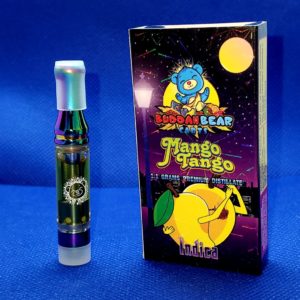
CARTRIDGES
Sale!

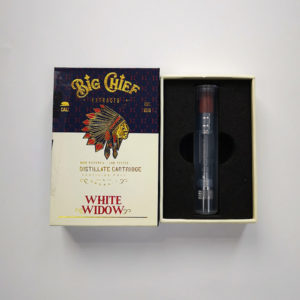
CARTRIDGES
Sale!

CARTRIDGES

HASH
$
70.00
–
$
305.00

CARTRIDGES
$
25.00

CARTRIDGES
$
25.00
Sale!

CARTRIDGES
Browse our categories


our services
free express delivery
When your order is more than $299, you receive FREE express delivery and can look forward to the worlds best medical marijuana and associate products delivered directly to your door
Exquisite Collection
We’re extremely picky about product quality & our collection is constantly being refined & is comprised of the finest buds known to humankind
Top-notch Support
We pride ourselves in providing exceptional support and we’re among the few offering dedicated 24/7 chat support to our valued customers.
How to Tell Whether Hash Used Fresh Frozen or Dried Cannabis
Hash can be made from cannabis that was frozen immediately after harvest or from plant material that was dried and cured first. The difference affects aroma, colour, texture, flavour and the type of extract produced. It also influences how confidently a buyer can assess freshness and authenticity before using it.
Fresh-frozen material is commonly associated with live resin, live rosin and certain forms of ice-water hash. Freezing preserves volatile terpenes and keeps the plant’s natural moisture available for extraction. Dried material is used for traditional pressed hash, dry sift, cured resin and many commercial products because it is easier to store, transport and process.
In Australia, product descriptions can be difficult to verify because recreational cannabis remains illegal under federal law, while medical cannabis is available only through authorised pathways. Buyers in Sydney, Melbourne, Brisbane or Perth may encounter overseas websites making claims that cannot be checked locally. Understanding the signs of fresh-frozen and dried starting material helps you read those claims more critically.
What Fresh Frozen Cannabis Means
Fresh-frozen cannabis is harvested and chilled or frozen soon afterwards, usually without going through a conventional drying and curing period. The goal is to preserve delicate aromatic compounds, including monoterpenes that can evaporate during drying. The plant is then extracted while still frozen or partially frozen, often through ice-water separation or solvent-based processing.
This approach is closely linked with “live” terminology. Live hash, live bubble hash and live rosin generally aim to retain the character of freshly harvested flowers. A product made from this material may smell bright, sharp, fruity, floral or resinous, with a layered aroma that resembles a living plant rather than cured cannabis.
Fresh-frozen material contains substantial water, so processing requires careful temperature control and thorough drying after extraction. Poorly dried live hash can develop an unpleasant sour smell, become overly wet or freeze into a hard block. A premium product should be described with specific information about the harvest, freezing method and post-extraction drying rather than relying only on the word “live.”
What Dried And Cured Material Reveals
Dried cannabis has been hung or otherwise dried until its moisture content falls to a stable level. Curing then allows the flowers to rest in controlled conditions, helping moisture distribute evenly and allowing some green, grassy notes to soften. Traditional hash makers may use dry sift, hand rubbing, sieving or mechanical separation before pressing the trichomes into a dense product.
Hash made from cured flowers often has deeper aromas: toasted spice, earth, wood, coffee, pepper or dried fruit. Its colour can range from pale blond to golden brown, reddish brown or nearly black, depending on the cultivar, age, processing technique and amount of plant material included. Colour alone does not prove whether the starting material was fresh frozen or dried.
Texture can provide useful clues. Dry-sift hash is often sandy, crumbly or slightly greasy when warmed between the fingers. Pressed cured hash may become pliable and release a strong resinous smell with gentle heat. It can also be firm and dark on the outside while remaining softer inside. These characteristics are consistent with dried material, but they are not definitive because pressure, heat and storage can change the final texture.
Reading Aroma, Colour And Texture
Aroma is usually more informative than appearance, provided the product has been stored correctly. Fresh-frozen extracts often have vivid, high-toned terpene notes such as citrus peel, pine, tropical fruit or fresh herbs. Cured-material hash tends to present heavier, rounder notes. A faint plant smell is not automatically a defect, but a burnt plastic scent, chemical odour, mildew or ammonia-like smell is a reason to avoid the product.
Fresh-frozen hash may appear lighter, shinier or more translucent because it contains a high proportion of exposed resin heads and preserved terpenes. Some live rosin has a wet, jammy or buttery appearance. Dried-material hash may look more compact, opaque and matte, especially after pressing. However, extraction pressure can make dry hash glossy, while cold storage can make live products look dull and brittle.
Handling should be gentle. Excessive warmth can melt or smear resin, while repeated freezing and thawing can damage aroma and encourage condensation. A product that is unusually wet, leaves oily residue without releasing a clear cannabis aroma, or contains visible mould or foreign particles should not be used. Visual inspection is a screening method, not a laboratory test.
Packaging And Product Descriptions Matter
A reliable listing should explain whether the product is live, cured, dry sift, ice-water hash, rosin or resin. It should ideally state the harvest or production date, the extraction method, storage conditions and whether the material was frozen immediately after cutting. Vague phrases such as “premium fresh hash” provide little evidence and may describe marketing rather than a production process.
Look for consistency between the product name and its description. Live rosin should generally be connected with fresh-frozen or frozen whole-plant material, while traditional pressed hash is more commonly made from dried flowers or dry sift. There are exceptions, so a precise explanation is more valuable than a familiar label.
Packaging can also reveal handling quality. Hash should be sealed in a suitable non-stick container, protected from light and kept cool. A crushed product with a broken seal, condensation inside the package or an old production date may have lost much of its original aroma. Australian summer conditions are especially relevant: a parcel left in a letterbox in Adelaide or western Sydney can become hot enough to soften resin and accelerate terpene loss.
For a broader comparison of cannabis product testing language, readers can consult this distillate purity guide. Although distillate is a different type of concentrate, the same principle applies: claims about quality are more meaningful when supported by batch details and independent testing.
Testing Is More Reliable Than Sensory Guesswork
No smell, colour or texture test can prove the original state of the cannabis with certainty. A producer can freeze material after partial drying, blend fresh-frozen and cured batches, or use heat and pressure to make one type resemble another. Lab analysis is the strongest way to assess potency, contaminants and some aspects of product consistency.
A certificate of analysis should identify the batch and provide cannabinoid results, such as THC, THCA, CBD and CBN. Depending on local testing standards, it may also include terpene information, microbial screening, residual solvent testing, heavy metals and pesticide results. Terpene profiles can support a “live” claim when they show abundant volatile compounds, but they still do not independently prove that the starting flower was frozen immediately after harvest.
Australian buyers should be particularly cautious with overseas sellers claiming guaranteed international delivery. Border controls, state and territory laws, import restrictions and medical prescribing rules all affect cannabis access. In Australia, authorised medical products should come through a lawful prescriber and pharmacy pathway, while recreational hash bought online may carry significant legal and safety risks. A certificate displayed as an image is not enough unless the laboratory, batch number and test date can be verified.
A Practical Buying And Storage Checklist
A careful assessment combines production information, sensory checks, packaging and testing. Treat “live,” “fresh frozen” and “solventless” as descriptions to verify rather than automatic quality guarantees. A product made from dried material can still be clean, aromatic and well produced, while an incorrectly handled fresh-frozen extract can be inferior.
For Australian consumers, storage and transport deserve equal attention. Hash should be kept sealed, cool and away from direct sunlight. Refrigeration may help some products retain aroma, but opening a cold container in humid conditions can create condensation. Allowing the sealed package to reach room temperature before opening reduces that risk.
- Check whether the listing names fresh-frozen, dried, cured, dry-sift, ice-water or rosin production.
- Look for harvest, extraction, packaging and batch dates rather than relying on words such as “premium” or “strong.”
- Prefer packaging that is sealed, light-resistant and designed to prevent resin from sticking or drying out.
- Assess aroma for clear cannabis and terpene notes, avoiding products with mould, ammonia, solvent or burnt-plastic smells.
- Treat colour and texture as clues only, since pressing, heat, storage and cultivar genetics can alter appearance.
- Request a verifiable certificate of analysis covering cannabinoids and relevant contaminants.
- Keep the product cool, sealed and protected from sunlight, and follow applicable Australian laws and medical guidance.
When comparing producers, a source such as this fresh frozen resource can help explain harvest timing and preservation terminology, but independent batch testing remains more persuasive than educational claims or polished product photography.
Fresh-frozen and dried hash each have legitimate qualities. Live extracts may offer brighter terpene expression, while cured-material hash can deliver a richer, more traditional profile and greater storage stability. The best indication of quality is a transparent production story supported by suitable packaging, a recent batch and credible laboratory results.
Use these checks before purchasing or consuming any cannabis concentrate, and choose only products available through lawful Australian channels. Clear sourcing, verified testing and careful storage give you a better basis for judging whether hash reflects fresh-frozen resin or properly dried and cured material.