No products in the cart.
QUALITY THC PORTAL - BUY QUALITY THC PRODUCTS ONLINE - FAST DELIVERY
Welcome to Quality THC Portal. We are premium suppliers of Quality THC Products. We supply in bulk and small quantities the following products; Package weed , Pre-rolls , Vape cartridges and Marijuana concentrates. We deliver to most countries around the world and delivery is fast and secured. Our website is well encrypted to product all your information we receive to process your orders and also we have a well setup and stable customer service team who are always available to assist you incase of any difficulty while trying to make purchase on our website. We are certain you shall enjoy our services.
Best Selling Products
Sale!


CARTRIDGES
Sale!

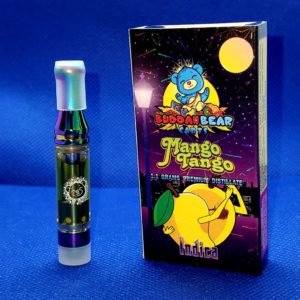
CARTRIDGES
Sale!

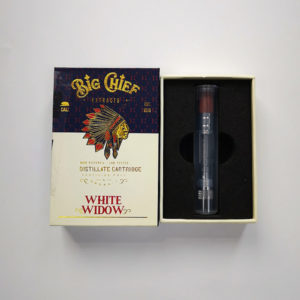
CARTRIDGES
Sale!

CARTRIDGES

HASH
$
70.00
–
$
305.00

CARTRIDGES
$
25.00

CARTRIDGES
$
25.00
Sale!

CARTRIDGES
Browse our categories


our services
free express delivery
When your order is more than $299, you receive FREE express delivery and can look forward to the worlds best medical marijuana and associate products delivered directly to your door
Exquisite Collection
We’re extremely picky about product quality & our collection is constantly being refined & is comprised of the finest buds known to humankind
Top-notch Support
We pride ourselves in providing exceptional support and we’re among the few offering dedicated 24/7 chat support to our valued customers.
How to Assess the Purity of THC Distillate
THC distillate is a highly refined cannabis extract known for its potency, neutral flavor, and versatility. It can appear in vape cartridges, edibles, tinctures, infused pre-rolls, and other products. Because refinement removes much of the plant’s original color, aroma, and texture, judging quality requires more than looking at the oil.
Purity refers to what is present in the extract and what has been removed. A strong product may still contain residual solvents, pesticides, heavy metals, microbial contamination, or undeclared additives. Potency and purity are related, but they are not interchangeable terms.
A careful assessment combines laboratory documentation, packaging details, appearance, aroma, and purchasing practices. No single clue proves that a distillate is clean, so reliable buyers evaluate several pieces of evidence before using an extract.
Understand what purity actually measures
THC distillate is produced through processes such as extraction, winterization, filtration, decarboxylation, and molecular distillation. These steps can concentrate cannabinoids while reducing plant waxes, pigments, and other compounds. The final oil may contain a high percentage of THC, but its exact composition depends on the starting material and the manufacturer’s methods.
A pure distillate should have a clearly stated cannabinoid profile and minimal unwanted substances. The label may list delta-9 THC, minor cannabinoids such as CBG or CBD, and total cannabinoids. It should also identify the batch or lot number, production date, recommended serving information, and the amount of oil in the package.
High potency alone does not establish quality. An unusually large THC percentage can be a reason to inspect the evidence more closely, especially when the figure is rounded, unsupported, or inconsistent with the product’s description. A transparent brand explains how its results were obtained instead of relying on impressive numbers printed on a label.
Use a current certificate of analysis
The most dependable evidence is a certificate of analysis, commonly called a COA. This document is issued by an independent laboratory after testing a specific product batch. It should match the item’s batch number and provide the laboratory’s name, testing date, methods, and measured results.
A useful COA includes more than a cannabinoid potency panel. It should cover residual solvents, pesticides, heavy metals, microbial contaminants, and, where relevant, mycotoxins. Some laboratories also test for foreign matter, water activity, terpene content, or synthetic cannabinoids. The broader the panel, the more meaningful the report is for judging product safety.
Look for results shown in clear units, such as percentages, parts per million, or parts per billion. A report that says only “pass” without numerical limits may offer less transparency. The laboratory should be an independent, properly accredited facility rather than an in-house department controlled by the seller.
A COA is only useful if it is authentic and current. Scan the QR code or visit the linked laboratory record when possible, then compare the product name, batch number, test date, and reported potency with the package in front of you. A generic report reused across several products is a warning sign.
Check the laboratory results carefully
Different contaminants require different testing methods, so a complete report may contain several pages. Residual-solvent testing is especially important for extracts made with hydrocarbons, ethanol, or other processing chemicals. The report should identify solvents that were detected and show whether they are below the relevant safety limits.
Pesticide screening helps reveal agricultural chemicals that may remain after cultivation. Heavy-metal testing typically covers substances such as lead, arsenic, cadmium, and mercury. Microbial analysis can identify mold, yeast, bacteria, or other biological hazards. These categories matter even when the oil looks clear and smells normal.
The following indicators can help organize a COA review:
| Quality indicator | What to look for | Why it matters |
|---|---|---|
| Batch matching | Product and COA show the same lot number | Confirms the report applies to the item |
| Potency profile | Measured cannabinoids with clear units | Shows what is actually in the oil |
| Residual solvents | Named solvents and compliant results | Helps identify incomplete post-processing |
| Pesticide panel | Broad screening rather than a narrow test | Reduces the chance of undisclosed agricultural chemicals |
| Heavy metals | Results for lead, arsenic, cadmium, and mercury | Screens for contaminants absorbed from soil or equipment |
| Microbial testing | Yeast, mold, and bacterial results | Helps identify biological contamination |
| Laboratory details | Independent facility, date, methods, and sign-off | Supports the report’s credibility |
When a report lists a detected contaminant, do not assume the product is automatically safe or unsafe without considering the stated limit and applicable local standards. Regulations vary by jurisdiction. Consumers should use products only where permitted and should treat missing or ambiguous information as a reason to avoid the batch.
Evaluate appearance, aroma, and texture
Visual inspection can identify obvious problems, although it cannot replace laboratory analysis. Quality THC distillate is often clear to pale amber and has a smooth, uniform appearance. Slight differences in color can result from the source material, processing temperature, storage conditions, or cannabinoid composition.
Cloudiness, visible particles, separated layers, or unexpected crystals deserve attention. Crystallization does not always mean contamination; THC and other cannabinoids can change state under different temperatures. However, unusual separation or debris may indicate poor filtration, degradation, packaging failure, or the addition of an incompatible ingredient.
The aroma should usually be mild unless terpenes or flavor compounds have been deliberately added. A harsh chemical smell, burnt odor, or strong perfume-like scent can suggest residual processing chemicals or artificial flavoring. Aroma is a screening clue, not a laboratory test, because certain additives and cannabis compounds can smell intense without proving that the product is unsafe.
Texture also provides useful information. Distillate should generally flow slowly when warmed slightly by normal handling, while excessive thinness may indicate dilution. Avoid applying direct heat to inspect the oil, since overheating can degrade cannabinoids, damage packaging, or create additional hazards.
Inspect the ingredient list and hardware
Pure THC distillate may be sold as a standalone extract, but many consumer products contain added terpenes, flavorings, carrier oils, or thinning agents. These additions should be disclosed clearly. Ingredients such as vitamin E acetate are especially concerning in inhalable products and should not be accepted when their presence is unclear.
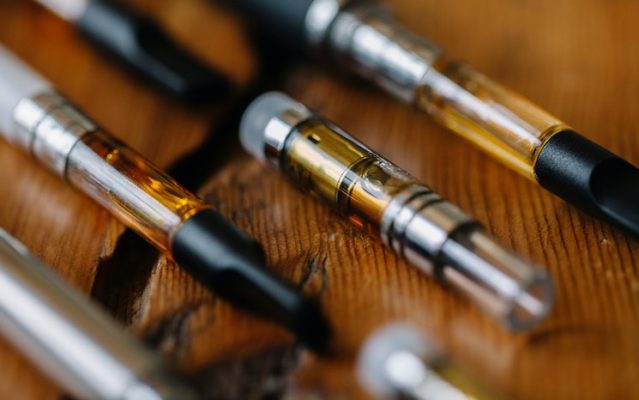
A cartridge can contain clean oil and still present quality problems if the hardware is poorly made. Check whether the device is sealed, free from leaks, and labeled with the manufacturer, batch information, oil quantity, and safety instructions. Unknown metals, damaged heating elements, or weak seals can affect the vapor even when the distillate itself passed testing.
The product format should match the intended use. Oil designed for vaporization should not automatically be treated as suitable for ingestion, and a distillate intended for edibles may not be formulated for inhalation. Follow the manufacturer’s directions and avoid modifying cartridges or mixing extracts with unverified substances.
Packaging should also provide a realistic storage recommendation. Light, oxygen, and heat can accelerate cannabinoid degradation. A sealed, opaque container stored in a cool, stable place generally protects the extract better than an open container left near sunlight or a hot vehicle.
Recognize warning signs in product listings
A seller’s presentation can reveal how seriously it treats quality control. Product pages should provide a precise description, expected potency range, ingredients, batch information, and access to relevant testing. Vague claims such as “laboratory grade,” “ultra-pure,” or “the strongest available” have little value without supporting documentation.
Be cautious with products offered at dramatically low prices, especially when the seller refuses to identify the manufacturer or laboratory. A bargain may reflect old inventory, diluted oil, poor storage, counterfeit packaging, or a batch that was never properly tested. Clear customer support and encrypted order processing can improve the purchasing experience, but neither feature substitutes for a valid COA.
Before placing an order, review the site’s policies, shipping limitations, and compliance information. For example, Quality THC Portal presents cannabis products in several formats, but buyers still need to verify whether THC products may legally be purchased, possessed, and delivered in their location. International shipping claims should never be treated as proof that a transaction is lawful.
Product consistency is another useful consideration. A seller with traceable batches, consistent packaging, and accessible support is easier to evaluate over time. Reviews can offer insight into packaging and convenience, while a resource such as this pre-roll convenience guide can help explain why some consumers choose ready-made formats instead of handling loose concentrates.
Buy and store distillate more carefully
Responsible purchasing begins with a short verification process. Confirm that the item is legal in the applicable jurisdiction, inspect the label, locate the batch-specific COA, and check that the ingredients match the product format. If any of those steps fails, selecting a different batch or seller is safer than relying on appearance alone.
Use only the amount recommended on the packaging, particularly when the potency is high or the product is unfamiliar. Keep THC products away from children, pets, and anyone who should not access them. Do not drive or operate machinery after using intoxicating cannabis, and avoid combining THC with alcohol or other substances that can intensify impairment.
The following habits make quality assessment more consistent:
- Choose products with a recent, independently verified COA tied to the exact batch.
- Check results for potency, pesticides, heavy metals, microbes, and residual solvents.
- Avoid inhalable products with undisclosed thinning agents, flavorings, or carrier oils.
- Inspect cartridges and containers for leaks, particles, damage, and missing labels.
- Store sealed distillate in a cool, dark place and follow the package directions.
A report that passes one category does not guarantee that every other category was tested. Read the full document, not just the THC percentage. If the laboratory record cannot be verified or the seller avoids direct questions about testing, that lack of transparency is meaningful information.
Choose evidence over marketing when evaluating THC distillate. A matching COA, complete contaminant screening, clear ingredients, sound packaging, and responsible storage guidance provide a much stronger basis for trust than color, potency claims, or polished product photography. Before purchasing or using any extract, verify the batch details and local requirements, then select products supported by testing you can independently review.