No products in the cart.
QUALITY THC PORTAL - BUY QUALITY THC PRODUCTS ONLINE - FAST DELIVERY
Welcome to Quality THC Portal. We are premium suppliers of Quality THC Products. We supply in bulk and small quantities the following products; Package weed , Pre-rolls , Vape cartridges and Marijuana concentrates. We deliver to most countries around the world and delivery is fast and secured. Our website is well encrypted to product all your information we receive to process your orders and also we have a well setup and stable customer service team who are always available to assist you incase of any difficulty while trying to make purchase on our website. We are certain you shall enjoy our services.
Best Selling Products
Sale!


CARTRIDGES
Sale!

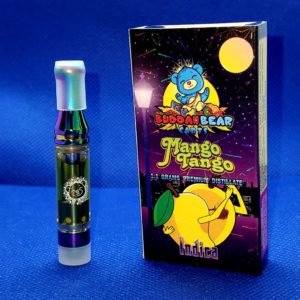
CARTRIDGES
Sale!

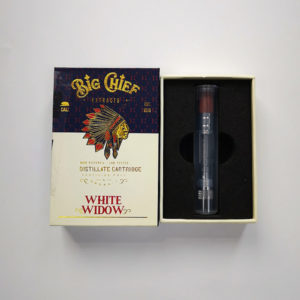
CARTRIDGES
Sale!

CARTRIDGES

HASH
$
70.00
–
$
305.00

CARTRIDGES
$
25.00

CARTRIDGES
$
25.00
Sale!

CARTRIDGES
Browse our categories


our services
free express delivery
When your order is more than $299, you receive FREE express delivery and can look forward to the worlds best medical marijuana and associate products delivered directly to your door
Exquisite Collection
We’re extremely picky about product quality & our collection is constantly being refined & is comprised of the finest buds known to humankind
Top-notch Support
We pride ourselves in providing exceptional support and we’re among the few offering dedicated 24/7 chat support to our valued customers.
How to Choose a Strain for Sleep and Insomnia
Finding cannabis that supports sleep is less about selecting a famous strain name and more about understanding how cannabinoids, terpenes, dosage, and product format affect your individual response. A product that makes one person relaxed may leave another person alert, anxious, or groggy the next morning.
Sleep problems also have many possible causes, including stress, irregular schedules, pain, medication effects, breathing disorders, and persistent anxiety. Cannabis may help some adults unwind, but it is not a universal treatment for insomnia. A careful, gradual approach is especially important when using THC products for the first time.
The most useful goal is to identify a predictable bedtime profile rather than chase a particular strain label. Look for transparent laboratory information, clear serving guidance, suitable product strength, and a format that allows you to control how much you consume.
What strain labels can and cannot tell you
“Indica,” “sativa,” and “hybrid” labels are common in cannabis marketing, but they are not reliable guarantees of a sleepy or stimulating experience. Modern cannabis varieties have been crossbred extensively, and products with the same strain name can differ in cannabinoid levels, terpene content, cultivation methods, and freshness.
A better starting point is the product’s certificate of analysis, often called a COA. This document should show THC and CBD percentages, contaminant testing, and sometimes terpene concentrations. Batch-specific information is more valuable than a general description copied from a product catalogue.
Your personal response matters just as much as the label. Some people feel calm after a small amount of THC, while others experience racing thoughts or a faster heartbeat. If a product repeatedly causes uneasiness, vivid dreams, or next-day impairment, it is probably a poor sleep choice even if it is advertised as relaxing.
Match cannabinoids to your sleep goals
THC is the intoxicating cannabinoid most often associated with sedation, physical relaxation, and reduced time to fall asleep. However, larger doses can produce anxiety, dizziness, impaired memory, or a hangover-like feeling. Frequent use may also lead to tolerance, meaning that more is needed to achieve the same effect.
CBD does not create the same intoxication and may feel calming for some users, although research on CBD as a direct treatment for insomnia remains limited. Products with a balanced THC-to-CBD ratio can be worth considering when someone wants some THC effects with less intensity. CBD-dominant products may suit people who are sensitive to intoxication, though they may not provide strong sedation.
Minor cannabinoids are also appearing in sleep-focused products. CBN is frequently marketed for nighttime use, but evidence about its independent sleep benefits is still developing. Treat claims about CBN, THCV, or other emerging compounds as possibilities rather than guarantees, and prioritize tested products with clearly stated amounts.
Use terpene information as a supporting clue
Terpenes are aromatic compounds that contribute to the scent and flavor of cannabis. They may also influence how a product feels, although the science is still evolving and terpene effects can vary with dose and individual biology.
Myrcene is commonly associated with earthy aromas and is often included in relaxing product descriptions. Linalool, which has a floral scent, and beta-caryophyllene, which can smell peppery, are also frequently discussed in calming cannabis profiles. These associations may help you compare products, but they should not replace attention to THC strength and your previous experiences.
Freshness can affect aroma, flavor, and the overall quality of flower or pre-rolls. Poor storage may expose cannabis to heat, light, air, or excess moisture, which can degrade its desirable characteristics. Reviewing information about packaging and freshness can help explain why sealed, well-protected products are preferable when comparing similar options.
Choose a format that supports control
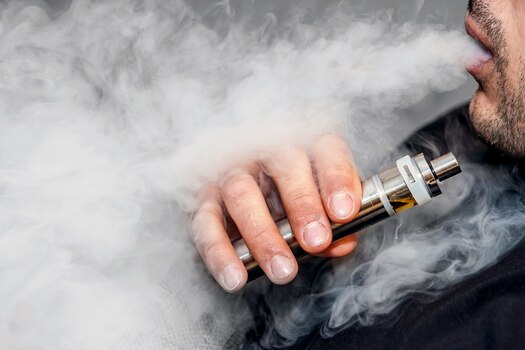
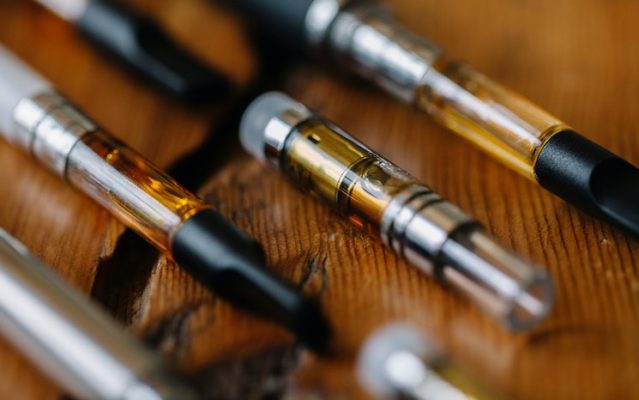
Inhaled products, including flower, pre-rolls, and vape cartridges, usually take effect within minutes. That quicker onset can make it easier to judge the initial response, but it can also encourage repeated use before the full effect is understood. Vaping may be discreet and convenient, yet consumers should consider product testing, hardware quality, and the risks associated with inhaling any substance.
Edibles and other oral products take longer to work, often from 30 minutes to two hours, and their effects may last considerably longer. This makes them less suitable for experimenting immediately before an important morning. A common mistake is taking more because the first serving seems inactive, then experiencing excessive intoxication later.
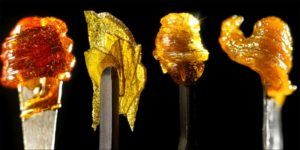
Concentrates such as live resin and hash can contain much higher THC levels than ordinary flower. They may be unsuitable for people with low tolerance or a history of anxiety after cannabis use. Whichever format you select, a product with clearly measured servings is easier to evaluate than an especially potent option with uncertain dosing.
Compare common nighttime options
Different formats and cannabinoid profiles can serve different purposes. The comparison below is a general guide, not a promise of a specific medical effect. Product strength, serving size, tolerance, and individual sensitivity can change the experience substantially.
| Product or profile | Potential nighttime benefit | Main concern | Best suited to |
|---|---|---|---|
| Lower-THC flower | Quick onset and easier sensory feedback | Inhalation can irritate the lungs; dose can be imprecise | Experienced adults who prefer inhalation |
| Balanced THC and CBD | May provide relaxation with less intense intoxication | Effects can still vary; CBD does not eliminate THC impairment | People sensitive to strong THC effects |
| CBD-dominant product | Little or no intoxication and a gentle option | May not be sedating enough for significant insomnia | Those avoiding a high |
| THC vape cartridge | Rapid onset and convenient use | High potency, inhalation concerns, and variable hardware quality | Adults who can measure very small inhalations |
| Low-dose edible | Long-lasting effects that may cover the night | Delayed onset can lead to accidental overconsumption | People comfortable waiting for effects |
| Hash or live resin | Strong flavor and concentrated cannabinoids | Potency may be excessive for sleep experimentation | High-tolerance users seeking concentrated products |
For a first trial, lower potency is usually easier to manage than a concentrate. Keep the product, amount, and timing consistent for several nights rather than changing multiple variables at once. This creates a clearer picture of whether the product affects sleep onset, nighttime waking, dreams, and next-day alertness.
Time the dose and track the response
Timing depends on the product format. Inhaled cannabis may be assessed sooner, while an edible requires much more patience. Taking THC immediately at bedtime can be problematic if the onset is delayed or the effect becomes stronger after you are already asleep. A cautious trial earlier in the evening may provide more information and reduce the risk of an unexpectedly intense experience.
Keep a simple sleep diary for at least several uses. Record the product, estimated amount, time taken, time needed to fall asleep, awakenings, total sleep, dream changes, morning mood, and any side effects. Also note caffeine, alcohol, exercise, stress, and unusual schedule changes, since these can influence sleep independently of cannabis.
Avoid combining THC with alcohol, sedatives, opioid pain medicines, or other substances that cause drowsiness unless a qualified clinician has specifically advised you. Do not drive, operate equipment, or make important decisions while impaired. If you experience panic, chest discomfort, severe confusion, fainting, or persistent vomiting, seek urgent medical help.
Recognize when cannabis is the wrong tool
Cannabis can sometimes make falling asleep easier while reducing sleep quality or altering normal sleep architecture. Regular use may also lead to tolerance, dependence, or rebound sleep disruption when stopping. If you need increasing amounts, use it every night, or feel unable to sleep without it, take those signs seriously.
Persistent insomnia deserves a broader assessment. Cognitive behavioral therapy for insomnia, often called CBT-I, is a well-supported approach that addresses sleep habits, conditioned wakefulness, and unhelpful thoughts about sleep. A clinician can also evaluate snoring, restless legs, depression, anxiety, medication interactions, and possible sleep apnea.
People who are pregnant or breastfeeding, under the legal age, managing certain psychiatric conditions, or at elevated risk of substance-use problems should speak with a healthcare professional before considering THC. Anyone taking prescription medication should check for potential interactions rather than assuming that a plant-based product is automatically low risk.
Build a careful selection routine
A consistent process makes it easier to identify a suitable nighttime product and avoid unnecessary experimentation.
- Start with a low- or moderate-potency product and use the smallest practical amount.
- Prefer batch testing, transparent cannabinoid percentages, and clear serving information.
- Choose one product at a time so its effects can be evaluated accurately.
- Try it on a night without early driving, demanding work, or other safety-sensitive responsibilities.
- Stop or reassess if anxiety, next-day fogginess, tolerance, or dependence begins to appear.
Give each trial enough time to observe the full pattern, while avoiding repeated increases in a single night. If the product does not help after a reasonable, carefully recorded trial, switching to a stronger concentrate is not necessarily the best next step.
A responsible retailer should make product details accessible and provide support without overstating health claims. Encrypted ordering and customer service may improve the shopping experience, but they do not replace laboratory testing, responsible dosing, or professional medical advice.
The best sleep-focused cannabis choice is the one with a manageable strength, understandable ingredients, reliable testing, and effects that leave you rested rather than impaired. Review the available product information carefully, select a modest starting point, and keep your sleep records honest and consistent before deciding whether a product belongs in your routine.