No products in the cart.
QUALITY THC PORTAL - BUY QUALITY THC PRODUCTS ONLINE - FAST DELIVERY
Welcome to Quality THC Portal. We are premium suppliers of Quality THC Products. We supply in bulk and small quantities the following products; Package weed , Pre-rolls , Vape cartridges and Marijuana concentrates. We deliver to most countries around the world and delivery is fast and secured. Our website is well encrypted to product all your information we receive to process your orders and also we have a well setup and stable customer service team who are always available to assist you incase of any difficulty while trying to make purchase on our website. We are certain you shall enjoy our services.
Best Selling Products
Sale!


CARTRIDGES
Sale!

CARTRIDGES
Sale!

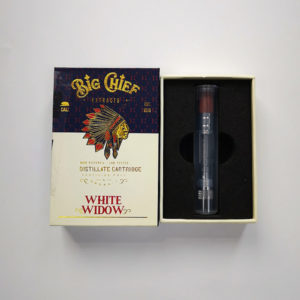
CARTRIDGES
Sale!

CARTRIDGES

HASH
$
70.00
–
$
305.00

CARTRIDGES
$
25.00

CARTRIDGES
$
25.00
Sale!

CARTRIDGES
Browse our categories


our services
free express delivery
When your order is more than $299, you receive FREE express delivery and can look forward to the worlds best medical marijuana and associate products delivered directly to your door
Exquisite Collection
We’re extremely picky about product quality & our collection is constantly being refined & is comprised of the finest buds known to humankind
Top-notch Support
We pride ourselves in providing exceptional support and we’re among the few offering dedicated 24/7 chat support to our valued customers.
How Packaging Protects Cannabis Freshness And Potency
Fresh cannabis quality depends on more than cultivation, curing, and strain selection. Once flower, extracts, vape cartridges, or pre-rolls leave a controlled production environment, packaging becomes the main barrier between the product and the conditions that gradually reduce its appeal. Heat, light, oxygen, moisture, and rough handling can all affect aroma, texture, potency, and usability.
A well-designed package helps preserve the compounds that shape the cannabis experience, including cannabinoids and aromatic terpenes. It also protects products from contamination, prevents leakage, limits unnecessary air exchange, and provides useful information about storage and product handling.
Packaging cannot repair material that was poorly cured or improperly stored before sealing. It can, however, slow quality loss and create more consistent conditions from production through delivery and home use. Understanding these functions makes it easier to evaluate cannabis products and store them responsibly after purchase.
What Freshness Means In Cannabis Products
Freshness has a different appearance depending on the product format. For dried flower, it generally means a balanced moisture level, a springy texture, intact trichomes, and a strong but clean aroma. Flower that is too dry may crumble into dust and produce a harsh experience, while material with excessive moisture can feel spongy and develop an increased risk of mold.
Terpenes are especially sensitive to environmental exposure. These volatile aromatic compounds contribute notes such as citrus, pine, earth, fruit, or spice, but they can evaporate or degrade when cannabis is exposed to heat and air. A package with a dependable seal helps retain these compounds for longer than a loosely closed container.
Freshness also matters for concentrates and vape products. Hash, wax, shatter, and live resin can change in consistency when exposed to warmth or oxygen. Vape cartridges may leak, darken, or lose flavor if stored in unsuitable conditions. In every format, packaging is part of the product’s quality-control system rather than a decorative outer layer.
Packaging Materials And Barrier Protection
Glass is often valued for cannabis storage because it is chemically stable, resistant to odor transfer, and an effective barrier against oxygen and moisture when fitted with a reliable closure. Opaque or tinted glass can provide additional protection from ultraviolet light. Its disadvantages include weight and breakability, which can make it less convenient for shipping.
High-quality plastics and multilayer films are also widely used. These materials can be lightweight, impact-resistant, and shaped into child-resistant containers, pouches, or sealed compartments. Their performance depends on the specific polymer and barrier layers. A thin, flexible pouch may offer very different protection from a multilayer package engineered to reduce oxygen and vapor transmission.
Metal containers can provide strong protection from light and physical impact, while specialized films are useful for individual pre-rolls or small portions. The important factor is not the material name alone but the complete package design: container walls, liner, seal, closure, headspace, and resistance to puncture or crushing all influence shelf stability.
For buyers comparing packaged products, clear labeling and evidence of professional sealing can be useful quality signals. A properly packed order from a retailer such as cannabis product selection should arrive protected from unnecessary exposure during handling and transit, although local regulations and shipping conditions still affect the final experience.
Light, Oxygen, Moisture, And Temperature
Light is one of the most important environmental threats to stored cannabis. Ultraviolet exposure can accelerate the breakdown of cannabinoids and damage delicate terpenes. Transparent containers may look attractive, but they offer limited protection unless the product is kept in a dark secondary package or stored away from windows and strong indoor lighting.
Oxygen can gradually alter aroma and color while contributing to cannabinoid degradation. Every time a container is opened, fresh air enters the headspace. Packages designed with tight closures, limited internal air volume, or suitable oxygen barriers can slow this process. Dividing a large quantity into appropriately sized containers may also reduce repeated air exchange.
Moisture requires balance rather than simple removal. Cannabis that becomes excessively dry loses elasticity and may produce a rougher experience. Excess humidity can encourage microbial growth, particularly when the product is sealed before it has been properly dried and cured. Humidity-control systems can help maintain a target range, but they cannot correct poorly prepared flower or replace regular inspection.
Temperature affects all three risks. Warm conditions speed chemical reactions and can soften concentrates, increase vapor pressure in cartridges, and encourage terpene loss. Cold storage may preserve certain products, but frequent movement between cold and warm environments can create condensation. Stable, moderate temperatures are generally preferable for everyday storage.
| Product Format | Main Packaging Priority | Common Exposure Risk | Useful Storage Practice |
|---|---|---|---|
| Dried flower | Moisture and oxygen control | Drying, stale aroma, excess humidity | Keep sealed in an opaque, airtight container |
| Pre-rolls | Crush resistance and dryness control | Broken material or uneven burning | Store flat or upright in a rigid sealed tube |
| Hash and concentrates | Temperature and leak resistance | Softening, sticking, oxidation | Keep cool, sealed, and away from direct light |
| Live resin | Airtight, low-temperature protection | Terpene loss and texture changes | Minimize warm exposure and repeated opening |
| Vape cartridges | Leak prevention and light protection | Oil movement, darkening, clogging | Store upright in a stable, moderate environment |
How Different Formats Need Different Protection
Dried flower benefits from a package that limits air exchange without trapping damaging humidity. Small, well-sealed containers are often preferable to oversized ones because less unused air remains around the product. A rigid container also protects trichomes from unnecessary compression during transportation.
Pre-rolls need additional structural support. A thin paper wrap may preserve the roll during short handling, but a hard tube or compartmented package reduces crushing and protects the contents from moisture changes. Individual wrapping can also help prevent one strongly scented product from affecting another when several items are stored together.
Concentrates require packaging that resists sticking, leakage, and chemical interaction. Nonstick liners and secure lids help keep viscous material contained. Live resin and other terpene-rich extracts may benefit from cool, dark storage, but they should not be repeatedly exposed to temperature swings. A container that seals tightly but opens cleanly is more practical than one that leaves residue around the rim.
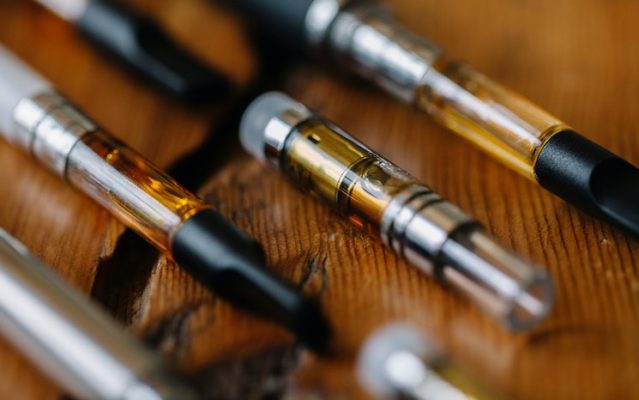
Vape cartridges are especially dependent on careful orientation and handling. Keeping them upright can reduce the chance of oil reaching the mouthpiece or airflow channel. Packaging should cushion the cartridge against impact and prevent prolonged exposure to heat. A dark outer box or sleeve can further limit light exposure when cartridges are displayed or shipped.
Seals, Closures, And Shipping Conditions
A package can have a strong material barrier and still fail if its closure is weak. Threaded lids, induction seals, tamper-evident bands, heat seals, and specialized gaskets all serve different purposes. The best option depends on the product’s viscosity, portion size, intended shelf life, and regulatory requirements.
Child-resistant packaging is another important consideration for cannabis products. It is designed to reduce accidental access while retaining practical usability for adults. A secure closure should remain intact during shipping and storage, and consumers should avoid transferring products into unmarked containers that could create confusion or increase access risks.
Shipping presents a separate set of challenges. Packages may spend time in hot vehicles, cold warehouses, humid delivery facilities, or direct sunlight. Interior cushioning limits physical damage, while sealed secondary packaging can help protect against pressure changes, odor transfer, and accidental opening. Express delivery may shorten transit time, but protection during that time remains essential.
When an order arrives, inspect the package before opening it. Look for broken seals, leakage, crushed tubes, excessive warmth, or unusual odors. Product-specific warning signs deserve attention: wet or musty flower, separated cartridge oil, dried-out extracts, or a container that no longer closes securely may indicate that quality has been compromised.
Storage Habits That Extend Product Quality
Good packaging works best when consumers maintain suitable storage habits. Cannabis should generally be kept in a cool, dark, dry place away from radiators, appliances, direct sunlight, and areas with frequent temperature changes. A cupboard or dedicated storage box is often more suitable than a bathroom, where humidity can fluctuate sharply.
Containers should be opened only when needed and closed promptly afterward. Avoid leaving flower, hash, or concentrates exposed while preparing a session. Clean hands and tools also matter because oils, moisture, and debris can contaminate the product or interfere with a reliable seal.
Different products should be kept separate when possible. Strongly aromatic flower can transfer odor to paper products and some plastics, while sticky concentrates can contaminate packaging surfaces. Clear labeling with the product name, purchase date, and any recommended storage instructions helps prevent unnecessary opening and supports responsible rotation.
The original package is usually the best place to begin because it may include batch information, testing details, potency data, and handling guidance. If a product must be transferred, use a clean, airtight, appropriately sized container and retain the original label information. Store all cannabis securely and follow the laws that apply in the location where it is purchased and used.
Practical Packaging Checks For Buyers
Packaging quality is easier to assess when buyers focus on function rather than appearance. A visually attractive container may provide little protection if its lid is loose, its seal is damaged, or the product has too much unused air around it. The following checks help identify packaging that is more likely to preserve quality:
- Look for an intact, secure seal with no signs of tampering or leakage.
- Choose opaque or light-resistant packaging for products sensitive to ultraviolet exposure.
- Check that the container matches the product format, especially for sticky concentrates and fragile cartridges.
- Review storage instructions, batch details, testing information, and relevant dates before opening.
- Prefer packaging that is sturdy enough to protect the product during delivery without excessive empty space.
Sustainability also deserves consideration, but reduced material use should not come at the expense of product protection. Recyclable glass, lightweight barrier films, reusable containers, and right-sized secondary packaging can reduce waste when they preserve freshness effectively. A package that leads to dried flower, leaked oil, or damaged pre-rolls creates more waste through discarded product and repeat purchases.
Retailers and producers can improve the customer experience by explaining how each format should be stored after delivery. Clear instructions are particularly helpful for live resin, vape cartridges, and other products whose texture or performance can change quickly under heat. Good packaging and useful guidance work together to protect quality beyond the point of sale.
Preserving Quality From Packing To Use
The role of packaging extends across the entire cannabis supply chain. At production sites, it protects cured material and finished extracts. During distribution, it reduces exposure to movement, light, heat, and changing humidity. At home, it gives consumers a controlled environment that helps preserve aroma, texture, potency, and usability.
No container can make aging disappear, and freshness will eventually decline. Still, an effective barrier, a dependable closure, suitable shipping protection, and careful household storage can significantly slow that process. These details are especially important when purchasing several formats at once or ordering products intended for use over an extended period.
Explore properly packaged flower, pre-rolls, cartridges, and concentrates through Quality THC Portal, then keep each product sealed, labeled, and stored according to its format. Choosing protection-conscious packaging is a simple step toward retaining the qualities that made the product appealing in the first place.