No products in the cart.
QUALITY THC PORTAL - BUY QUALITY THC PRODUCTS ONLINE - FAST DELIVERY
Welcome to Quality THC Portal. We are premium suppliers of Quality THC Products. We supply in bulk and small quantities the following products; Package weed , Pre-rolls , Vape cartridges and Marijuana concentrates. We deliver to most countries around the world and delivery is fast and secured. Our website is well encrypted to product all your information we receive to process your orders and also we have a well setup and stable customer service team who are always available to assist you incase of any difficulty while trying to make purchase on our website. We are certain you shall enjoy our services.
Best Selling Products
Sale!


CARTRIDGES
Sale!


CARTRIDGES
Sale!

CARTRIDGES
Sale!

CARTRIDGES

HASH
$
70.00
–
$
305.00

CARTRIDGES
$
25.00

CARTRIDGES
$
25.00
Sale!

CARTRIDGES
Browse our categories


our services
free express delivery
When your order is more than $299, you receive FREE express delivery and can look forward to the worlds best medical marijuana and associate products delivered directly to your door
Exquisite Collection
We’re extremely picky about product quality & our collection is constantly being refined & is comprised of the finest buds known to humankind
Top-notch Support
We pride ourselves in providing exceptional support and we’re among the few offering dedicated 24/7 chat support to our valued customers.
Why Some Vape Cartridges Have a Plastic Taste and How to Fix It
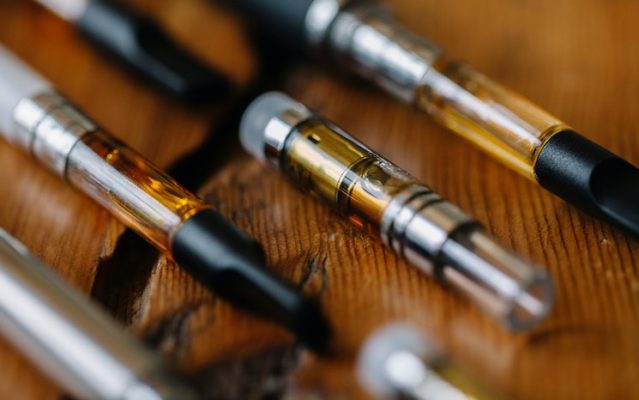
A plastic taste from a vape cartridge is usually a warning sign rather than a normal part of the experience. The flavour may be faint and chemical-like, or it may resemble melted packaging, burnt rubber, or hot glue. In each case, the taste can point to a problem with the cartridge, battery, oil, or storage conditions.
A new cartridge can taste slightly different from one used with another device because coil materials, airflow, voltage, and oil thickness affect vapour production. However, a strong synthetic flavour that persists after a few gentle draws should not be ignored. Continuing to use it may expose you to degraded oil or compounds released from unsuitable materials.
Australian consumers also need to consider local rules. Recreational THC remains illegal nationally, while medicinal cannabis is regulated through the Therapeutic Goods Administration and supplied under an authorised pathway. State and territory rules differ, and products entering Australia may be stopped at the border. A product advertised online is not automatically legal or safe to import.
The safest approach is to identify the likely source before trying to rescue the cartridge. Checking the battery setting, inspecting the hardware, and reviewing how the product was stored can often explain the problem. If the taste is harsh, metallic, burnt, or strongly chemical, stop vaping from that cartridge.
What Creates A Plastic Or Chemical Flavour
The cartridge body commonly contains a tank, mouthpiece, seals, centre post, and heating element. Low-quality plastics or adhesives can soften when exposed to concentrated cannabis oil and repeated heat. Oil may also draw compounds from seals or gaskets if those materials are not designed for use with vape concentrates.
A brand-new cartridge can have a brief manufacturing odour, especially if it was sealed soon after assembly. That smell should be mild and should fade after the device has rested in a clean, ventilated place. A persistent taste, visible cloudiness, leaking, discolouration, or a loose mouthpiece suggests a quality-control issue rather than harmless “break-in”.
Some oils contain strong terpenes, flavouring agents, or thinning ingredients that taste artificial when heated. Cannabis distillate with added botanical terpenes may seem sharp, sweet, or solvent-like compared with flower or live resin. Unverified cartridges may contain ingredients that are not declared on the label, which is a major reason to avoid products with unclear testing or origin.
How Heat And Battery Settings Change Flavour
A battery set too high can overheat the coil and surrounding materials. The result may be a burnt-plastic note, darkened oil, a scratchy throat, and unusually dense vapour. High voltage can also damage delicate terpenes, causing the flavour to shift from herbal or citrus-like to bitter and chemical.
The best starting point is the lowest compatible voltage, followed by short draws of two or three seconds. Allow the cartridge to rest between puffs so the wick can absorb oil and the coil can cool. Preheat functions should be used sparingly, particularly with thick oils, because a long preheat can cook the same small area repeatedly.
Cold weather can create a different problem. In Melbourne or Canberra during winter, thick oil may move slowly through the wick, causing dry hits and localised burning. Warming the cartridge gently in your hands for a few minutes can improve flow. Do not use a lighter, microwave, hair dryer, or other direct heat source.
A Practical Way To Diagnose The Problem
First, disconnect the cartridge and inspect it under good light. Look for cracks, seepage around the base, a distorted mouthpiece, loose threading, burnt oil near the coil, or a gap between the tank and its fittings. If oil has reached the battery connector, wipe the outside with a dry cotton swab and leave the device disconnected until it is clean and fully dry.
Next, test the battery rather than immediately blaming the oil. Confirm that the cartridge is compatible with the battery, check whether the voltage has been adjusted accidentally, and make sure the connection is clean. A poor connection can make the device pulse, overheat, or produce inconsistent vapour. For general maintenance, these battery cleaning steps can help prevent residue and connection problems.
Avoid repeated “test puffs” if the taste is clearly wrong. Take a photo of the cartridge, batch number, packaging, and oil level, then contact the seller or manufacturer through an official channel. A reputable supplier should be able to explain the ingredients, hardware specifications, batch testing, and replacement policy. Do not refill a sealed cartridge or transfer its contents into another tank unless the device was specifically designed for that purpose.
| Symptom | Likely cause | Safer response |
|---|---|---|
| Plastic taste from the first draw | Materials, adhesive, or poor assembly | Stop using it and request batch information or a replacement |
| Burnt flavour after changing batteries | Excessive voltage or dry wick | Lower the setting, let the cartridge rest, and avoid further use if the taste remains |
| Taste appears when oil is low | Coil overheating or poor wicking | Keep the cartridge upright and stop before it is nearly empty |
| Harsh flavour with leaking | Damaged seals or degraded hardware | Disconnect it, contain the leak, and dispose of it according to local guidance |
| Chemical taste with unknown ingredients | Unverified or contaminated oil | Do not consume further; retain packaging and seek medical advice if symptoms occur |
| Flavour changes after hot storage | Oxidation or heat damage | Replace the product rather than trying to restore it |
When The Oil Is The Real Problem
Not every unpleasant flavour comes from plastic. Oxidised oil can become darker and taste stale, peppery, or unusually harsh. Repeated exposure to sunlight, heat, and air accelerates this change. A cartridge left in a car on a hot Queensland day can deteriorate much faster than one stored in a cool, dark cupboard.
Oil that is too thick may fail to saturate the wick, while oil that is too thin may leak into the airflow path. Both situations can produce an abnormal taste. Crystals, separation, floating particles, or a sudden change in colour are reasons to pause use and ask for a product assessment rather than shaking the cartridge aggressively.
Storage matters after purchase. Keep the device upright, away from direct sun, and within the temperature range recommended by the manufacturer. Avoid storing it in a bathroom, glovebox, or backpack exposed to summer heat. Keep cannabis products away from children, pets, and anyone who could mistake them for ordinary vape liquid.
Australia-Specific Safety And Legal Considerations
In Australia, medicinal cannabis access generally involves an authorised prescriber and a product supplied through the regulated system. The TGA, state health departments, and the Australian Border Force all have roles in how cannabis products are approved, prescribed, supplied, and imported. A cartridge promoted as “discreet international delivery” may still breach import controls or contain no reliable evidence of testing.
Local conditions also affect practical use. Hot summers in Sydney, Brisbane, Perth, and Darwin can leave a cartridge in a dangerous temperature range within minutes. Public vaping rules vary by location, and many indoor areas, workplaces, transport facilities, and hospitality venues prohibit vaping. Driving after using THC is especially risky because roadside drug-testing rules may detect THC even when a person feels capable of driving.
If a cartridge causes coughing, chest discomfort, dizziness, vomiting, confusion, severe anxiety, or difficulty breathing, stop using it and seek urgent medical help. In an emergency, call 000. For suspected poisoning, contact the relevant Australian poisons information service or ask a health professional for immediate guidance. Keep the package available so clinicians can identify the claimed contents.
Safe Ways To Resolve A Faulty Cartridge
A cartridge with a mild flavour problem may improve when paired with the correct compatible battery at a low setting, but a clear plastic or solvent taste should not be treated as something to burn away. Repeated heating can worsen contamination and make the oil harder to assess. Do not poke the mouthpiece, scrape the coil, add alcohol, or attempt to rebuild a sealed cartridge.
If the cartridge is leaking, place it in a sealed bag or container and keep it away from skin, children, and pets. Do not pour oil down a sink or dispose of a lithium battery in household rubbish. Follow local council guidance for batteries and electronic waste, and ask the seller how to return a defective product safely. Regulations and disposal facilities differ across Australian councils.
Use the following checklist before deciding whether a cartridge is suitable for further use:
- Stop immediately if the flavour is strongly chemical, burnt, metallic, or accompanied by unusual symptoms.
- Check the battery voltage, connection, compatibility, and temperature before testing any replacement cartridge.
- Inspect the tank for cracks, leaks, darkened oil, loose fittings, or a distorted mouthpiece.
- Store cartridges upright in a cool, dark place and never leave them in a hot car.
- Keep the packaging, batch number, receipt, and photos when requesting a refund or quality review.
- Choose products with clear ingredient information, credible testing, and a lawful Australian supply pathway.
Choosing Better Hardware And Product Information
Quality hardware should use materials suited to concentrated oils, provide consistent airflow, and include clear operating instructions. Ceramic or appropriately specified heating components may reduce unwanted flavour, but the material alone does not guarantee safety. Manufacturing standards, oil formulation, storage, and batch testing remain important.
Look for a complete product description that identifies the cannabinoid content, ingredients, manufacturer, batch or lot number, and testing information. Be cautious with exaggerated claims, missing contact details, unusually low prices, and packaging that resembles confectionery. A polished website does not replace independent evidence that a cartridge is legal, uncontaminated, and accurately labelled.
For Australian readers, the most reliable route is an authorised medicinal cannabis pathway where clinically appropriate. If you already have a questionable cartridge, do not try to disguise its flavour with another oil or transfer it into a different device. Treat the taste as useful information, stop exposure, and report the problem through the proper supplier or health channel.
A plastic-tasting cartridge is a reason to pause, inspect, and verify—not a problem to mask with higher heat. Compare the hardware and oil against the signs above, keep records of what happened, and prioritise products supplied through lawful, traceable channels. If you are concerned about a reaction or possible contamination, contact a qualified Australian health professional promptly.