No products in the cart.
QUALITY THC PORTAL - BUY QUALITY THC PRODUCTS ONLINE - FAST DELIVERY
Welcome to Quality THC Portal. We are premium suppliers of Quality THC Products. We supply in bulk and small quantities the following products; Package weed , Pre-rolls , Vape cartridges and Marijuana concentrates. We deliver to most countries around the world and delivery is fast and secured. Our website is well encrypted to product all your information we receive to process your orders and also we have a well setup and stable customer service team who are always available to assist you incase of any difficulty while trying to make purchase on our website. We are certain you shall enjoy our services.
Best Selling Products
Sale!


CARTRIDGES
Sale!


CARTRIDGES
Sale!

CARTRIDGES
Sale!

CARTRIDGES

HASH
$
70.00
–
$
305.00

CARTRIDGES
$
25.00

CARTRIDGES
$
25.00
Sale!

CARTRIDGES
Browse our categories


our services
free express delivery
When your order is more than $299, you receive FREE express delivery and can look forward to the worlds best medical marijuana and associate products delivered directly to your door
Exquisite Collection
We’re extremely picky about product quality & our collection is constantly being refined & is comprised of the finest buds known to humankind
Top-notch Support
We pride ourselves in providing exceptional support and we’re among the few offering dedicated 24/7 chat support to our valued customers.
Why THC Products Can Taste Harsh and How to Choose Better
A smooth cannabis experience depends on more than potency. The plant’s variety, cultivation methods, extraction process, storage conditions, and the way a product is consumed can all influence flavor. A sharp, burnt, chemical, or throat-irritating taste may signal poor handling, excessive heat, degraded ingredients, or simply a format that does not suit the user.
Harshness is especially noticeable in vape cartridges and concentrates because these products deliver a concentrated dose of cannabinoids and aromatic compounds. Flower and pre-rolls can also taste unpleasant when they are too dry, improperly cured, contaminated, or burned at an excessively high temperature.
Learning to identify the source of an unpleasant flavor makes it easier to select fresher products, use appropriate equipment, and avoid wasting money. Flavor should not be the only quality indicator, but it can provide useful clues when considered alongside lab testing, packaging, transparency, and responsible storage.
What creates an unpleasant cannabis flavor
Cannabis contains cannabinoids such as THC and CBD, along with terpenes that contribute citrus, pine, floral, herbal, fruity, or earthy notes. During cultivation and curing, these compounds develop into the product’s characteristic aroma and taste. If the plant is harvested too early, cured poorly, or stored in unsuitable conditions, the final result may taste flat, grassy, bitter, or rough.
A harsh profile can also come from residual plant material. In flower, excess stems, seeds, or untrimmed leaves may create a more acrid smoke. In concentrates, traces of chlorophyll, lipids, waxes, or processing solvents can affect the flavor and texture. A product that tastes strongly chemical or solvent-like should be treated cautiously rather than masked with flavoring.
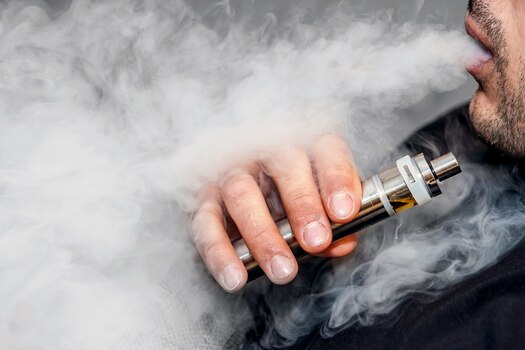
Combustion is another major factor. Burning cannabis produces smoke and irritating byproducts, while vaporization heats cannabinoids and terpenes without directly igniting the material. However, vapor is not automatically smooth. A high-voltage battery, blocked cartridge, damaged coil, or poorly refined oil can still produce an unpleasant hit.
Why vape cartridges often taste burnt
Burnt flavor is commonly linked to the cartridge coil becoming too hot or failing to receive enough oil. When the heating element runs dry, the wick or ceramic surface may scorch. This creates a bitter, toasted taste that can linger in the mouth and throat. Continuing to use a burnt cartridge often makes the problem worse and may damage the hardware.
Battery settings play an important role. Excessive voltage can overheat the oil, destroy delicate terpenes, and produce a dense, irritating vapor. Some cartridges are designed for low-temperature operation, while others perform better at a moderate setting. Using the lowest effective setting and taking shorter draws can help preserve flavor and reduce throat irritation.
Storage also affects cartridge performance. Leaving a vape in direct sunlight, a hot vehicle, or near a radiator can thin the oil, degrade terpenes, and cause leaks. Very cold conditions may thicken the oil and make it harder for the heating element to absorb. Keeping cartridges upright in a cool, dark place protects both the liquid and the device.
How extraction and formulation affect taste
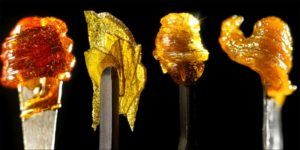
Concentrates vary widely in appearance, aroma, consistency, and flavor. Live resin and live rosin are generally valued for preserving more of the plant’s aromatic profile, while some distillates have a cleaner but less complex taste. Neither format guarantees quality by itself; careful processing, proper storage, and accurate labeling remain important.
Residual solvents are a concern when an extract has a strong chemical odor or an unnatural taste. Reputable manufacturers should use suitable purification methods and provide current third-party laboratory results where legally required or available. Testing may identify cannabinoid potency, pesticides, heavy metals, microbial contamination, and residual solvents.
Added terpenes can improve aroma, but excessive or low-quality flavor additives may make a cartridge taste artificial, perfumed, or sharply sweet. A short ingredient list with clearly identified cannabis extract and terpenes is easier to evaluate than a product with vague proprietary flavor blends. Buyers comparing products can review the Quality THC Portal catalog while checking product descriptions, format, ingredients, and available testing information.
| Flavor or sensation | Possible cause | Practical response |
|---|---|---|
| Burnt, toasted, or bitter | Excessive heat, a dry wick, or a failing coil | Lower the battery setting, use shorter draws, and replace damaged hardware |
| Chemical or solvent-like | Incomplete refinement, contamination, or strong additives | Stop using it and seek batch information or laboratory results |
| Very harsh smoke | Overly dry flower, high combustion temperature, or poor curing | Improve humidity control, use a vaporizer, or choose better-cured flower |
| Grassy or hay-like | Early harvest, inadequate curing, or stale storage | Select fresher, properly cured material |
| Musty or moldy | Moisture exposure or microbial growth | Do not consume; discard the product and report the issue |
| Flat or flavorless | Terpene loss from age, heat, air, or light | Choose sealed, recently packaged products and store them correctly |
| Artificially sweet or perfumed | Added flavoring or terpene imbalance | Review ingredients and choose a simpler formulation |
Choosing flower, pre-rolls, and hash with better flavor
Fresh flower should have a recognizable aroma rather than a scent of ammonia, mildew, or hay. Buds should feel neither wet nor brittle. Excess moisture can encourage microbial growth, while extreme dryness causes the flower to burn rapidly and taste hot or scratchy. Properly cured flower usually has a balanced texture, intact trichomes, and a terpene profile that remains noticeable without being overwhelming.
Pre-rolls can be convenient, but quality depends on the material inside and how tightly it was packed. A pre-roll filled with finely ground, dry material may burn unevenly or become very hot. If the paper burns faster than the cannabis, or if the joint repeatedly goes out, the product may have inconsistent airflow or moisture. Gentle, even draws are preferable to rapid inhalation.
Hash and other pressed concentrates may have earthy, spicy, floral, or nutty notes depending on the starting material and production method. A stale, smoky, or overly bitter taste may result from oxidation or excessive heat during pressing. Keeping these products sealed and protected from heat helps preserve their aroma. Consumers should also follow local laws and purchase only from authorized sources where applicable.
Using temperature and storage to protect flavor
Temperature control is one of the simplest ways to improve a cannabis product’s taste. For flower vaporizers, lower settings tend to emphasize lighter terpene notes and produce a gentler vapor, while higher settings create denser clouds and stronger effects but may feel harsher. The ideal range varies by device and material, so gradual adjustment is safer than immediately selecting the highest temperature.
With cartridges, preheating should be brief and used only when necessary. Long preheat cycles can thin or overheat the oil. If airflow becomes restricted, forcing a hard pull can flood the mouthpiece or overwork the coil. Warming a cold cartridge naturally in the hand is generally gentler than applying a direct heat source.
Good storage limits oxygen, light, heat, and humidity changes. Flower belongs in an airtight container kept in a cool, dark location, while cartridges should remain upright and concentrates should be sealed according to their consistency. Avoid storing cannabis in a bathroom, glove compartment, or sunny windowsill. A product that has changed color, developed visible growth, or acquired a suspicious smell should not be used.
Practical ways to prevent a rough experience
A few habits can make flavor more consistent without requiring expensive equipment. Buying smaller quantities may help preserve freshness, especially when consumption is occasional. Checking the package date, batch number, ingredient list, and test documentation before purchase can also reveal whether a product has been sitting too long or lacks useful quality information.
These steps are useful when selecting and using cannabis products:
- Start with a product from a regulated or transparent source that provides clear labeling and batch details.
- Examine aroma, texture, and appearance before use; discard anything with mold, ammonia, or a strong solvent smell.
- Use the lowest effective vape temperature and stop if the vapor suddenly tastes burnt or metallic.
- Store flower, cartridges, and concentrates away from heat, sunlight, moisture, and repeated air exposure.
- Avoid mixing unfamiliar extracts or additives into a device, especially when the ingredients and compatibility are unclear.
Harshness can sometimes come from individual sensitivity rather than a defective product. Dry mouth, throat irritation, coughing, and discomfort may occur even with well-made cannabis, particularly for new or infrequent users. Smaller inhalations, longer pauses, and non-inhaled formats may be more comfortable for some adults, though edible products have delayed effects and require careful dosing.
When an unpleasant taste signals a quality problem
Not every strong flavor means a product is unsafe. Some cannabis strains naturally have pungent sulfurous, diesel-like, or intensely herbal aromas. Concentrates can also taste powerful because their terpene content is highly concentrated. The key distinction is whether the profile resembles the expected plant aroma or suggests burning, contamination, spoilage, or degraded hardware.
A persistent chemical taste, metallic sensation, unusual discoloration, leaking oil, or visible residue warrants caution. Stop using the product, preserve the packaging and batch information, and contact the seller or manufacturer through an official support channel. If symptoms such as severe coughing, chest discomfort, vomiting, confusion, or difficulty breathing occur, seek medical assistance promptly.
Responsible purchasing also means respecting local cannabis laws and age requirements. Product claims, shipping policies, and testing standards vary by jurisdiction, and online descriptions should not replace independent verification. A polished appearance or appealing flavor label cannot compensate for missing information about ingredients, potency, or production standards.
Better flavor usually comes from several small decisions: choosing fresh material, selecting a suitable format, controlling heat, and protecting the product from air and light. By paying attention to sensory warning signs and using transparent product information, consumers can reduce the chance of a burnt, stale, or irritating experience. Explore carefully labeled options, compare formats and batch details, and choose products that support a smoother, more controlled session.