No products in the cart.
QUALITY THC PORTAL - BUY QUALITY THC PRODUCTS ONLINE - FAST DELIVERY
Welcome to Quality THC Portal. We are premium suppliers of Quality THC Products. We supply in bulk and small quantities the following products; Package weed , Pre-rolls , Vape cartridges and Marijuana concentrates. We deliver to most countries around the world and delivery is fast and secured. Our website is well encrypted to product all your information we receive to process your orders and also we have a well setup and stable customer service team who are always available to assist you incase of any difficulty while trying to make purchase on our website. We are certain you shall enjoy our services.
Best Selling Products
Sale!


CARTRIDGES
Sale!

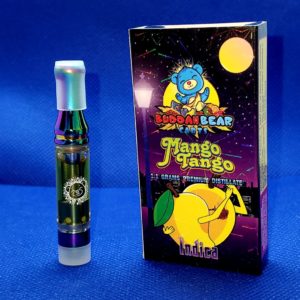
CARTRIDGES
Sale!

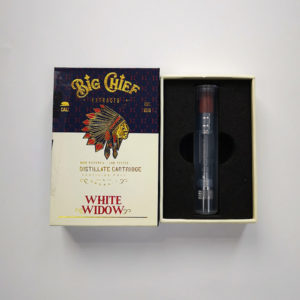
CARTRIDGES
Sale!

CARTRIDGES

HASH
$
70.00
–
$
305.00

CARTRIDGES
$
25.00

CARTRIDGES
$
25.00
Sale!

CARTRIDGES
Browse our categories


our services
free express delivery
When your order is more than $299, you receive FREE express delivery and can look forward to the worlds best medical marijuana and associate products delivered directly to your door
Exquisite Collection
We’re extremely picky about product quality & our collection is constantly being refined & is comprised of the finest buds known to humankind
Top-notch Support
We pride ourselves in providing exceptional support and we’re among the few offering dedicated 24/7 chat support to our valued customers.
Why some THC products list total cannabinoids vs. active THC on labels
A cannabis pack can show several impressive percentages without revealing which one predicts the strongest effect. One figure may cover every cannabinoid detected in the sample, while another refers only to the THC compound considered active. Treating those numbers as interchangeable can make a mild product look stronger than it is, or a potent concentrate look weaker.
Total cannabinoids are a combined laboratory measure. Active THC is a narrower term, but it is not standardised across every producer, market or product type. The same phrase can refer to Δ9-THC alone, to Δ9 plus THCA after conversion, or to a seller’s shorthand for ready-to-use potency. That shorthand matters because heat, formulation and dose can change what reaches the bloodstream.
Australian buyers are likely to encounter these terms in online product descriptions, imported packaging or lawful medicinal cannabis dispensed through a pharmacy. Prescribed medicinal cannabis is accessed through an authorised clinical and pharmacy pathway, including consultations with services such as SEEK Clinician. Recreational cannabis remains illegal nationally, while rules for CBD products, home cultivation and enforcement vary by state. State-border and courier restrictions make it especially important to separate a label claim from permission to possess or import a product.
The practical response is to read each number in context: what was measured, in what unit, by which laboratory, for which batch and against what quantity of product. Once those details are clear, total cannabinoids and active THC become complementary rather than competing claims.
What total cannabinoid figures actually measure
Total cannabinoids normally means the sum of all cannabinoid compounds quantified in a sample, often THC, CBD, CBN, CBG and smaller components. The result may be printed as a percentage of the product’s net weight or as milligrams per container. It is a laboratory summary rather than a legal potency class.
A label of 18% total cannabinoids does not reveal how much of that 18% is active THC. The balance could include CBD and other compounds, so one 18% extract may produce a markedly different experience from another with the same headline figure. Reading the breakdown matters when comparing flower, vape cartridges, hash or live resin.
Total cannabinoids also says nothing by itself about serving size, absorbed dose, freshness or contaminants. A recent certificate of analysis can add context by showing the individual compounds, test date and batch identifier. Without those details, the headline percentage is useful for comparison but incomplete.
What active THC means on a label
Active THC has no single label-wide meaning. It often refers to Δ9-THC, the naturally occurring main psychoactive form of THC, because it is already in its usable, decarboxylated state. Some sellers use active THC or activated THC more loosely, however, so a buyer still needs to find the exact molecule named on the pack.
THCA creates a common source of confusion. It is an acidic precursor that converts mainly to Δ9-THC when heated. Labels may report THCA separately, or calculate potential total THC by adding Δ9-THC to converted THCA. That calculated value is not the same as currently active THC, because conversion depends on time, temperature and whether the material has actually been heated.
Dose is a separate issue. A cartridge’s milligrams per puff, a flower label’s milligrams per gram and a serving count may refer to very different amounts. Device resistance, draw length and potency all affect use. International stores often use different terminology, and browsing international THC listings can reveal how totals are presented.
Comparing cannabinoid labels without getting confused
The clearest comparison keeps label terms, units and product bases aligned. This reference separates common claims and shows what each one leaves unanswered.
| Label term | Common meaning | What it does not show | Useful check |
|---|---|---|---|
| Total cannabinoids | Sum of quantified THC, CBD and other cannabinoids | The active THC amount or effects | Full compound breakdown |
| Active THC | Usually Δ9-THC, although wording varies | A standardised dose or absorbed amount | Exact THC compound and units |
| Total THC | Often Δ9-THC plus THCA converted to a potential THC value | THC currently present and absorbed | Whether the value was measured or calculated |
| THCA | An acidic precursor converted to THC by heat | The THC produced before heating | Conversion method or a separate THC result |
| Percentage or milligrams | Potency by net weight or a stated serving | The quantity a person will consume | Net weight, serving count and basis |
For example, a 1 g concentrate labelled 15% total cannabinoid by weight contains roughly 150 mg of combined cannabinoids in the container on a theoretical mass basis. If 10% is Δ9-THC, the Δ9-THC portion is about 100 mg. The remaining compounds and the way the product is consumed still affect the experience.
Values stated per serving are easier to misuse. A 5 mg serving is not automatically a 5 mg absorbed dose, and five servings do not guarantee five identical effects. Potency, bioavailability, tolerance and heating all sit between the printed number and the outcome.
A practical checklist for Australian buyers
Medicinal cannabis used lawfully is generally prescribed by an authorised practitioner and supplied through a dispensing pharmacy. Most routine medicinal products are TGA-authorised therapeutic goods. A consultation with a service such as SEEK Clinician can be part of that pathway, but a private consultation itself does not make recreational cannabis legal.
Recreational cannabis remains illegal nationally, and state and territory practices vary for possession, home cultivation and low-THC cannabis products. Local slang is informal rather than legal: people in Sydney, Melbourne, Brisbane, Perth and Adelaide may call cannabis bud, weed or hash, and a small amount a gig. None of those terms defines a lawful product category.
Travel creates another issue. Possession authorised in one Australian jurisdiction does not automatically make a cannabis product lawful to carry across every border, and postal or courier rules can be stricter than a shopper expects. International delivery is a service offered by some sellers, not permission to import. Check federal law, destination rules and carrier conditions before considering a cross-border order. When evaluating the product itself, check:
- The exact cannabinoid names, especially whether THC means Δ9, Δ8, THCA or a calculated total.
- A batch-specific certificate of analysis, including the laboratory, test date and matching lot number.
- Net quantity, concentration basis and serving size, with milligrams and percentages converted carefully.
- TGA listing and pharmacy labelling details where the product is medicinal cannabis.
- Ingredients, warnings, expiry date, storage instructions and tamper evidence.
At checkout, also verify:
- That possession, purchase and import are lawful for the buyer and destination.
- The product category, age checks and any prescription, import or customs documentation required.
- Encrypted checkout, payment security, privacy practices and what order details are retained.
- Shipping cost, tracking, delivery windows, returns and the meaning of any free-shipping threshold.
- A responsive support channel, including live chat, for questions about batches, handling and delivery.
Choose with verified THC information
The label decision and purchase decision should happen together. Start with the net weight or stated serving, identify the active compound, then calculate what the package contains rather than what one inhalation or edible portion might deliver. This approach works for cartridges, dry flower, pre-rolls, hash, live resin and other concentrates, although each format needs its own dose assumptions.
Quality THC Portal promotes encrypted order processing, customer support, a 24/7 chat service, bulk and small quantities, international delivery and free express shipping for larger orders. These conveniences can make comparison and ordering easier, but they do not replace product documents or local legal checks.
For shoppers who are legally eligible to purchase cannabis products in their location, browse THC products online and use each listing’s cannabinoid figures as a starting point rather than a substitute for batch documentation.
Before paying, confirm the exact THC compound, serving size and batch report, check that delivery is lawful for your location, and keep the original sealed packaging.