No products in the cart.
QUALITY THC PORTAL - BUY QUALITY THC PRODUCTS ONLINE - FAST DELIVERY
Welcome to Quality THC Portal. We are premium suppliers of Quality THC Products. We supply in bulk and small quantities the following products; Package weed , Pre-rolls , Vape cartridges and Marijuana concentrates. We deliver to most countries around the world and delivery is fast and secured. Our website is well encrypted to product all your information we receive to process your orders and also we have a well setup and stable customer service team who are always available to assist you incase of any difficulty while trying to make purchase on our website. We are certain you shall enjoy our services.
Best Selling Products
Sale!


CARTRIDGES
Sale!


CARTRIDGES
Sale!

CARTRIDGES
Sale!

CARTRIDGES

HASH
$
70.00
–
$
305.00

CARTRIDGES
$
25.00

CARTRIDGES
$
25.00
Sale!

CARTRIDGES
Browse our categories


our services
free express delivery
When your order is more than $299, you receive FREE express delivery and can look forward to the worlds best medical marijuana and associate products delivered directly to your door
Exquisite Collection
We’re extremely picky about product quality & our collection is constantly being refined & is comprised of the finest buds known to humankind
Top-notch Support
We pride ourselves in providing exceptional support and we’re among the few offering dedicated 24/7 chat support to our valued customers.
Why Hash Can Smell Like Ammonia And What It Means
Hash normally has a concentrated cannabis aroma: earthy, pine-like, floral, citrusy, spicy or fuel-like notes depending on the plant and the way its trichomes were collected and pressed. A sharp smell resembling ammonia, cat urine or a harsh cleaning product is different. It may reflect poor storage, contamination, chemical exposure or changes caused by moisture and microorganisms.
Smell alone cannot identify the substance or prove that it is unsafe, but it can be an important warning sign. This matters in Australia, where much cannabis is sold through unregulated channels and products may have travelled long distances before reaching a buyer in Sydney, Melbourne, Brisbane or Perth. Hash can look convincing while still having an unknown production and storage history.
What The Smell Can Tell You
The scent of hash comes from volatile compounds, especially terpenes and other aromatic molecules retained in the resin. Some varieties naturally have pungent, sour or fuel-like profiles that inexperienced consumers may describe as chemical. A strong diesel aroma, for example, is not automatically evidence of contamination. Ammonia has a more piercing, alkaline character that tends to irritate the nose and throat.
Freshly made resin should not usually smell strongly of household ammonia. A faint sharpness may come from compressed plant material or packaging, but an odour that dominates the natural cannabis scent deserves caution. The difference between “pungent” and “chemical” is subjective, so the safest approach is to treat an unfamiliar sample conservatively rather than trying to identify it by smell alone.
Odour can also change as hash ages. Oxygen, warmth, humidity and light gradually alter terpenes, while trapped moisture can create conditions for microbial activity. A sample that originally smelled earthy may later become sour, musty, acrid or ammonia-like. That change is more concerning than a stable, naturally intense aroma.
How Hash Develops Its Aroma
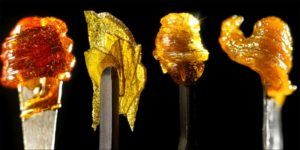
Hash is made by collecting and concentrating cannabis trichomes, the resin glands that contain cannabinoids and aromatic compounds. Traditional dry-sift hash, hand-rubbed hash and water-hash products can differ substantially in texture and scent because of the plant material, pressure, temperature and purification method used. Solventless products are made without chemical extraction solvents, although “solventless” does not guarantee perfect hygiene or storage.
Readers wanting background on processing methods can explore this solventless extract primer, which explains why resin texture, terpene retention and production technique influence the final product. The aroma of a well-made concentrate should generally remain recognisably cannabis-like, even when it is very strong.
A chemical smell may come from more than one source. It could be absorbed from cleaning agents, plastic, adhesives or poorly rinsed equipment. In solvent-extracted products, residual solvents are another possibility, although their odours vary and cannot be reliably identified at home. A smell test cannot distinguish ammonia, residual solvent, mould-related compounds or another irritant with confidence.
When The Odour Signals A Problem
A sharp ammonia-like smell becomes more worrying when it appears alongside dampness, visible mould, unusual colour, bubbling, a wet interior or a texture that has changed unexpectedly. White or pale crystals are not automatically mould; they may be trichomes. Fuzzy growth, spreading discolouration and a musty or cellar-like smell are more consistent with contamination.
Hash that has been sealed while warm or damp can develop condensation inside its packaging. In warm parts of Australia, including Queensland and northern New South Wales, a parcel left in a letterbox, car or delivery depot can heat rapidly. Repeated changes between hot outdoor conditions and air-conditioned rooms may also create condensation when packaging is opened.
Warning Signs Worth Taking Seriously
- A sudden ammonia, bleach, urine-like or strongly solvent-like odour
- Fuzzy growth, spreading spots or unusual green, grey or black discolouration
- Moisture droplets, a slimy surface or a wet centre inside a firm piece
- Burning, eye-watering or throat irritation before the product is heated
- A major change in smell, colour or texture since the product was received
A suspicious smell does not prove that a product contains a particular contaminant. It does mean that inhaling, vaping, dabbing or smoking it is an unnecessary risk. Heat can destroy some microorganisms, but it does not reliably remove mould toxins, chemical residues or every hazardous compound created during degradation.
Storage And Australian Conditions
Cannabis resin should be protected from heat, light, air and excess moisture. A cool, dark environment with clean, airtight packaging is generally preferable to a bathroom, kitchen drawer or vehicle. Refrigeration can create condensation if a cold container is opened immediately in warm air, so temperature changes should be managed carefully. Freezing may affect texture and handling, and it is not a way to make contaminated hash safe.
Australian conditions make storage particularly important. A Melbourne winter room and a Darwin summer delivery route present very different risks, while a parcel held in a hot Sydney apartment foyer can deteriorate faster than expected. Postal handling, uncertain transit times and unverified packaging add further variables when products come from informal sellers.
Storage Factors That Can Affect Hash
- High temperatures that accelerate terpene loss and chemical changes
- Humidity or condensation that encourages microbial growth
- Direct sunlight that degrades cannabinoids and aromatic compounds
- Open packaging that allows odours and contaminants to transfer
- Contact with plastic, rubber, perfume, cleaning products or food
If the product has absorbed a foreign smell from its container, airing it out is not a dependable remedy. Odour molecules may indicate that the resin has contacted a substance that cannot be seen. Repackaging can also spread contamination to other cannabis products, so questionable material should be isolated and handled minimally.
How To Check A Suspicious Sample
Do not taste a sample to identify it, and do not rub it on the skin as a test. Keep it away from children, pets, food and shared surfaces. If it is already producing a strong odour, opening the package repeatedly can spread volatile chemicals through an enclosed room. Good ventilation is sensible, but ventilation will not make an unsafe product suitable for use.
Look at the packaging and the material without crushing or heating it. Record when the smell first appeared, whether it changes at room temperature and whether there are signs of moisture or visible growth. Photographs may help with a complaint or a professional assessment, but a photograph cannot confirm safety.
The only dependable way to identify many contaminants, residual solvents or unexpected cannabinoids is laboratory analysis. Home test kits have limited coverage and can produce misleading reassurance. If inhalation has already caused chest tightness, severe coughing, confusion, vomiting, breathing difficulty or persistent irritation, seek urgent medical help. In Australia, call 000 for an emergency or contact the Poisons Information Centre on 13 11 26.
Legal And Health Context In Australia
Cannabis laws differ in detail across Australia, but recreational possession and supply remain illegal under federal and most state or territory frameworks. The Australian Capital Territory has limited personal-use provisions, yet those provisions do not create a general legal retail market and do not override every federal or public-place rule. Medicinal cannabis is available through a prescription pathway, and products supplied legally should come through authorised channels.
Driving laws create another practical concern. THC can remain detectable after impairment has ended, and several Australian jurisdictions use roadside oral-fluid testing. Using a product of uncertain strength or composition can increase legal and safety risks, particularly for people driving to work in Brisbane, commuting across Melbourne or operating machinery.
Unregulated hash may have no batch number, independent certificate of analysis, production date or reliable ingredient information. International delivery claims and encrypted ordering systems do not prove that a product complies with Australian law or has been tested. Consumers should assess any online cannabis retailer carefully and avoid treating marketing language as evidence of purity.
Choosing Information Over Guesswork
A reputable product description should provide more than a strain name and a photograph. Useful information includes extraction method, cannabinoid content, batch identification, storage guidance and testing details. Even then, certificates should be current, traceable to the exact batch and issued by a credible laboratory. A polished website cannot substitute for verifiable testing.
Online stores such as Quality THC Portal may publish educational material about hash, live resin, cartridges and other extracts, but readers should separate general information from legal permission or a guarantee about a particular item. International shipping, customer support and secure payment claims do not remove the need to check Australian rules or consider product safety.
Questions Worth Checking Before Trusting A Product
- Is there a batch-specific laboratory report rather than a general statement?
- Does the packaging identify ingredients, production details and a responsible supplier?
- Is the aroma consistent with the described product and free from harsh chemical notes?
- Has the product been exposed to heat, moisture, perfume or cleaning chemicals?
- Can the supplier explain storage, testing and legal compliance clearly?
If a piece of hash smells distinctly of ammonia, the prudent decision is to stop using it and keep it separate from other products. Do not try to rescue it by drying, heating, washing or mixing it with fresh material. Preserve the packaging and purchase records if a complaint or medical report may be needed, and obtain professional advice where symptoms or legal concerns arise.
Treat an unusual chemical odour as a reason for caution rather than a puzzle to solve through experimentation. Check the product history, follow Australian health and legal guidance, and choose laboratory-backed information before inhaling any cannabis extract.