No products in the cart.
QUALITY THC PORTAL - BUY QUALITY THC PRODUCTS ONLINE - FAST DELIVERY
Welcome to Quality THC Portal. We are premium suppliers of Quality THC Products. We supply in bulk and small quantities the following products; Package weed , Pre-rolls , Vape cartridges and Marijuana concentrates. We deliver to most countries around the world and delivery is fast and secured. Our website is well encrypted to product all your information we receive to process your orders and also we have a well setup and stable customer service team who are always available to assist you incase of any difficulty while trying to make purchase on our website. We are certain you shall enjoy our services.
Best Selling Products
Sale!


CARTRIDGES
Sale!


CARTRIDGES
Sale!

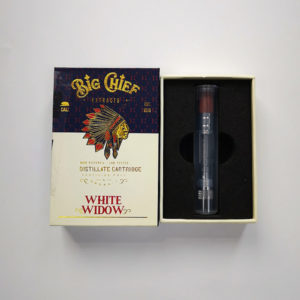
CARTRIDGES
Sale!

CARTRIDGES

HASH
$
70.00
–
$
305.00

CARTRIDGES
$
25.00

CARTRIDGES
$
25.00
Sale!

CARTRIDGES
Browse our categories


our services
free express delivery
When your order is more than $299, you receive FREE express delivery and can look forward to the worlds best medical marijuana and associate products delivered directly to your door
Exquisite Collection
We’re extremely picky about product quality & our collection is constantly being refined & is comprised of the finest buds known to humankind
Top-notch Support
We pride ourselves in providing exceptional support and we’re among the few offering dedicated 24/7 chat support to our valued customers.
Why some cannabis concentrates leave residue in your vape device
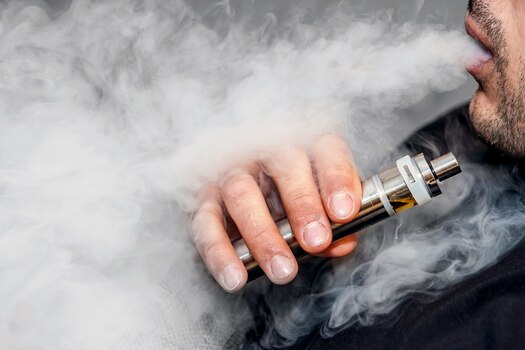
Australians who use medicinal cannabis often rely on portable vaporizers to dose throughout the day, whether they are managing chronic pain from a desk in Sydney, easing insomnia in Adelaide, or stepping out for a break on a job site in Perth. Yet many of these patients and adult consumers eventually notice the same frustrating problem: their cartridge or chamber starts producing a dark, sticky film that dulls flavour and clogs airflow. This residue is not just cosmetic. It can shorten the life of a coil, distort the active dose delivered, and turn a smooth pull into a harsh, burnt-tasting draw that no one wants to repeat.
Understanding where that gunky buildup comes from requires looking at the chemistry of the extract itself, the hardware that heats it, and the temperature at which vaporisation occurs. Because the Australian market relies heavily on imported extracts under the Therapeutic Goods Administration framework, batch variability is common, and not every concentrate behaves the same way inside a device. Below, the main reasons concentrates leave residue in your vape are unpacked, from viscosity and terpene content to wicking design and personal maintenance habits that quietly shape the experience.
The role of extract consistency and viscosity
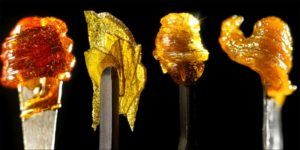
Cannabis extracts are not a single uniform product. Live resin, shatter, wax, rosin, distillate, and hash oil each have a different molecular makeup, and that makeup directly affects how cleanly they vaporise. Distillate, for instance, is refined to isolate cannabinoids and is often highly viscous at room temperature, which means it can struggle to wick efficiently into a coil designed for thinner oils. When the heating element cannot fully atomise a thick liquid, part of it carbonises on the coil surface, leaving a brown crust that builds up over multiple sessions and gradually mutes the flavour of every subsequent draw.
Conversely, very thin oils may contain cutting agents like propylene glycol or vegetable glycerine, which vapourise cleanly at first but leave their own sugary residue once temperatures climb too high. A patient in Brisbane using a 510-thread cartridge for daytime anxiety relief might find that a distillate-based formula tastes fine for two weeks, then suddenly turns acrid because the coil is coated in partially burnt material. The lesson is that consistency matters as much as potency, and thicker is not always better when it comes to clean vaporisation in everyday hardware.
Temperature settings and how they influence buildup
Most modern vaporizers, whether a desktop unit used in a Melbourne clinic or a pocket-sized device carried through Darwin's tropical humidity, allow users to dial in a temperature range. The relationship between heat and residue is straightforward: the higher the temperature, the more aggressively the extract breaks down, and the greater the chance that heavier compounds will char rather than vapourise. Cannabinoids like THC and CBD actually vapourise efficiently between 180 and 220 degrees Celsius, but many terpenes begin to degrade well below that ceiling, especially during long, slow draws.
Setting a device too hot is one of the fastest routes to a fouled chamber. Terpenes, flavonoids, and minor cannabinoids contain carbon and hydrogen chains that, when overheated, polymerise into a resinous film on internal surfaces. Patients chasing stronger effects often crank their device to the maximum, only to discover that the mouthpiece becomes sticky and the flavour drops off after just a few draws. Keeping temperatures in the mid-range and allowing the coil to fully re-saturate between sessions dramatically slows the formation of this buildup, while still delivering consistent therapeutic doses for chronic symptom management.
Hardware matters, from coils to wicking
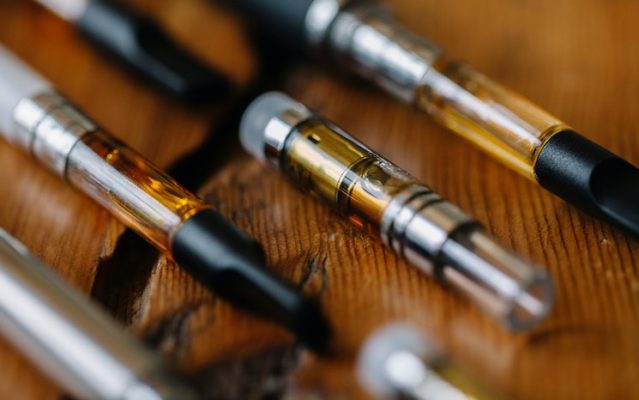
Even a high-quality extract can leave residue when paired with the wrong hardware. Ceramic coils tend to handle thicker oils better than traditional cotton wicks, because they distribute heat more evenly and have fewer fibres for oil to cling to. Cheaper cartridges with poor wicking ports may starve the coil between draws, causing the remaining oil to overheat and burn against the heating element instead of being atomised. Airflow design also plays a role: restricted draws concentrate heat in one spot, while wider bores keep the chamber cooler overall and reduce the risk of localised scorching.
A useful analogy is the difference between a stovetop espresso maker in a Brisbane café and a poorly tuned machine; both can produce coffee, but one leaves scale and burnt residue behind while the other stays relatively clean with regular use. The same principle applies inside a vaporizer. Investing in devices with reputable ceramic or quartz atomisers, and replacing cartridges within the manufacturer's recommended lifespan, will keep residue to a minimum and ensure that each dose is as consistent as the last for patients relying on accurate titration.
Terpene content and cut agents as hidden culprits
The flavour profile of a concentrate is determined largely by its terpene profile, but terpenes are also volatile compounds that behave unpredictably under heat. A strain rich in heavy sesquiterpenes such as caryophyllene or humulene can leave more residue than one dominated by lighter monoterpenes like limonene or pinene, because the heavier molecules break down into larger carbon fragments. Producers who reintroduce botanical terpenes after distillation to mimic a strain's original flavour sometimes push concentrations beyond what the hardware can efficiently vapourise, which contributes to clogged airways and dark deposits on the coil that worsen with every session.
Cut agents deserve their own warning. In Australia, the Therapeutic Goods Administration monitors medicinal cannabis products closely, but unregulated cartridges circulating outside legal channels have been known to contain medium-chain triglyceride oil, propylene glycol, or even polyethylene glycol as thinning agents. These substances do not vapourise cleanly and often leave a waxy film that is difficult to remove from chamber walls and mouthpieces. Sticking with regulated products sourced through legal pathways, including the Special Access Scheme and Authorised Prescriber routes available in most states and territories, reduces the risk of encountering these poorly formulated extracts and the residue problems that come with them.
Maintenance habits that reduce residue
Residue is not only a function of the extract and the hardware, but also of how the user treats the device between sessions. Letting a cartridge sit unused for weeks allows oil to settle and thicken, especially in cooler climates like Hobart's winter mornings, which makes the first draw after storage more likely to burn on a dry wick. Chain vaping without pauses overheats the coil and prevents fresh oil from absorbing properly, accelerating carbon build-up far faster than spaced, mindful sessions. Mouthpieces and chambers that are never cleaned become sticky traps for vapour condensation that hardens into a film and gradually narrows the airflow path.
A few simple habits keep a device running like new for the long term. Storing cartridges upright at room temperature, giving the wick time to re-saturate between draws, and wiping the mouthpiece weekly with isopropyl alcohol are all easy wins that any user can adopt. Patients who rely on their vaporizer several times a day for chronic symptoms often rotate between two cartridges so each one can rest, which extends both flavour and coil life while keeping residue manageable across the month.
| Concentrate type | Typical viscosity | Residue tendency | Best suited hardware |
|---|---|---|---|
| Distillate | Very thick | Moderate to high if overheated | Ceramic coil, low wattage |
| Live resin | Medium to thick | Low to moderate | Quartz or ceramic, mid temperature |
| Rosin | Variable, often waxy | Low when fully melted | Enail or dab pen with quality atomiser |
| Hash oil | Thin to medium | Moderate | Cartridge with cotton or ceramic wick |
| Wax or shatter | Solid, melts into liquid | Low | Bucket or coil-less atomiser |
Practical guidance for cleaner sessions
Choosing concentrates and devices that work together is the single biggest factor in reducing residue, but a handful of supporting habits can make any setup perform better. The following points are useful for anyone in Australia using a vaporizer for medicinal or personal reasons, whether they are picking up a prescription in Canberra or sourcing a legal hemp-derived product in South Australia under current state arrangements.
- Stick to temperature ranges between 180 and 210 degrees Celsius for most cannabinoid activation
- Prefer ceramic or quartz atomisers over older cotton wick designs when using thicker oils
- Avoid products that list propylene glycol, vegetable glycerine, or polyethylene glycol as ingredients
- Allow at least ten seconds between draws so the wick can resaturate fully before the next pull
- Store cartridges upright in a cool, dark place to prevent oil migration and thickening
- Clean the mouthpiece and chamber every few sessions with a cotton swab and isopropyl alcohol
- Replace cartridges within the recommended cycle, usually two to four weeks of regular use
For Australians who want a reliable starting point, exploring the curated selection of vape cartridges available through trusted online suppliers can simplify the process of finding an extract and hardware combination that minimises residue from the very first session and keeps dosing predictable over time.
The truth is that a small amount of residue is normal in any vaporizer, but excessive buildup usually points to a mismatch between extract, temperature, and hardware. By understanding how each of these elements contributes to fouling, users across Sydney, Melbourne, and regional centres can keep their devices clean, their doses accurate, and their experience far more pleasant. Take a few minutes to review what is currently in your device, dial in a sensible temperature, and commit to a simple weekly clean; the flavour, the airflow, and the longevity of your hardware will all improve noticeably with very little extra effort.