No products in the cart.
QUALITY THC PORTAL - BUY QUALITY THC PRODUCTS ONLINE - FAST DELIVERY
Welcome to Quality THC Portal. We are premium suppliers of Quality THC Products. We supply in bulk and small quantities the following products; Package weed , Pre-rolls , Vape cartridges and Marijuana concentrates. We deliver to most countries around the world and delivery is fast and secured. Our website is well encrypted to product all your information we receive to process your orders and also we have a well setup and stable customer service team who are always available to assist you incase of any difficulty while trying to make purchase on our website. We are certain you shall enjoy our services.
Best Selling Products
Sale!


CARTRIDGES
Sale!


CARTRIDGES
Sale!

CARTRIDGES
Sale!

CARTRIDGES

HASH
$
70.00
–
$
305.00

CARTRIDGES
$
25.00

CARTRIDGES
$
25.00
Sale!

CARTRIDGES
Browse our categories


our services
free express delivery
When your order is more than $299, you receive FREE express delivery and can look forward to the worlds best medical marijuana and associate products delivered directly to your door
Exquisite Collection
We’re extremely picky about product quality & our collection is constantly being refined & is comprised of the finest buds known to humankind
Top-notch Support
We pride ourselves in providing exceptional support and we’re among the few offering dedicated 24/7 chat support to our valued customers.
Why Cannabis Extracts Produce Different Amounts Of Vapor
A cannabis extract can create a thick, visible cloud or a light wisp even when both products are used in the same vape device. The difference is rarely explained by THC percentage alone. Cannabinoid concentration, terpene content, viscosity, moisture, extraction method and heating conditions all affect how much aerosol reaches the air.
For Australian consumers, the comparison also involves practical factors such as warm summers in Sydney, dry conditions in Perth, humidity in Brisbane and changing state-based cannabis rules. Understanding the science behind vapor production can help adults assess product information more carefully, avoid overheating a cartridge and recognise why a concentrate may perform differently from flower or a pre-filled vape.
What Vapor Actually Measures
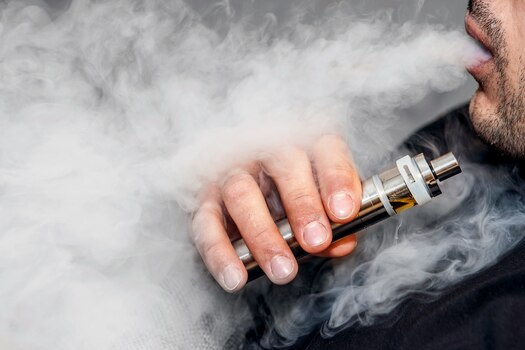
Vapor from a cannabis cartridge is technically an aerosol: a mixture of tiny liquid or semi-liquid droplets suspended in air. It is produced when heat transfers volatile compounds from the extract into the airflow. The visible cloud becomes denser when more material is aerosolised and when the droplets scatter more light.
A large cloud does not automatically mean a stronger, purer or higher-quality product. Airflow, inhalation speed and the design of the mouthpiece can make a device appear productive while delivering relatively little extract. Conversely, a discreet plume may still contain a meaningful amount of cannabinoids and terpenes.
The temperature range also matters. If the coil is too cool, the oil may only partially vaporise and the draw can feel thin. If it is too hot, the extract may burn, taste harsh or degrade delicate aromatic compounds. A consistent, moderate heating profile usually gives a more controlled result than maximum voltage.
Why Extract Chemistry Changes Output
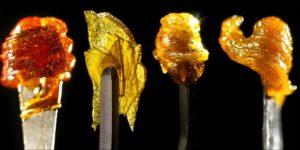
Cannabis concentrates have different physical properties depending on the plant material and the extraction process. Distillate is often highly refined and comparatively uniform, while live resin, rosin and other full-spectrum extracts can contain a broader mixture of cannabinoids, terpenes, waxes and residual plant compounds. Those ingredients influence flow and aerosol formation.
Terpenes are especially volatile, meaning they evaporate more readily than heavier compounds. An extract with a higher proportion of volatile aromatic molecules may produce a noticeable plume at a lower temperature. A thick, terpene-poor oil may need more heat before it moves efficiently through a cartridge, although excessive heat can damage flavour and create an unpleasant experience.
Concentration is another factor. A very dense extract can contain substantial cannabinoids but still create less visible vapor because it does not flow easily to the heating element. Some products are formulated with a thinner carrier or terpene blend, which can increase wicking and cloud production. Consumers should treat added ingredients as a reason to inspect the label, laboratory information and intended device rather than assuming a larger cloud is desirable.
Useful factors to compare include:
- Extract type, such as distillate, live resin, rosin or hash oil
- Viscosity and how readily the oil reaches the coil
- Terpene profile and the presence of volatile aromatic compounds
- Cannabinoid concentration alongside the total volume of oil
- Batch testing, ingredient disclosure and manufacturing information
Hardware And Temperature Shape The Cloud
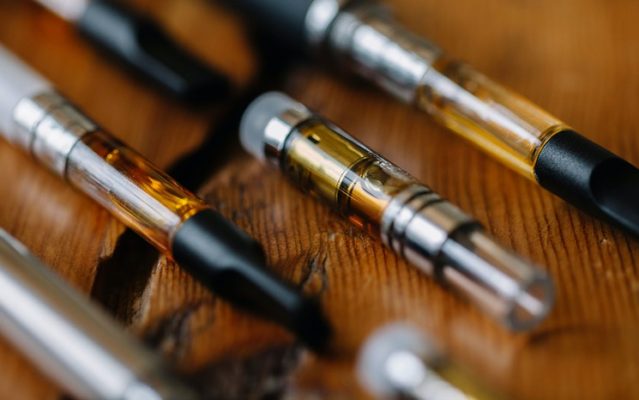
The same oil can behave differently in a disposable vape, a 510-thread cartridge, a pod system or a dab-style vaporiser. Coil resistance, wick material, chamber size, battery output and airflow all affect how quickly the extract is heated. A cartridge with a broad airflow path may make larger clouds than a narrow design using identical oil.
Variable-voltage batteries give users some control, but higher power is not a universal solution. Increasing voltage can create more aerosol for a short time, yet it can also empty a cartridge faster, darken the oil and scorch the wick. Repeated long draws may overheat the coil because the wick cannot replenish the chamber quickly enough.
Device comparisons should include practical use, not just cloud size. A discreet draw may be more suitable in a private setting, while a large chamber may offer greater consistency for an experienced medicinal user following professional advice. Anyone using a regulated product should follow the manufacturer’s instructions and avoid modifying batteries, chargers or cartridge connections.
A person moving between a long commute in Melbourne and a weekend outdoors near the Gold Coast may notice different performance because temperature affects viscosity. Cold oil flows slowly, while excessive warmth can make it run too freely and leak into the airway.
Moisture Texture And Storage Matter
Extract texture is closely tied to vapor output. A runny oil may reach the coil quickly, whereas a thick sauce, crumble or resin can require a compatible heated surface rather than a standard cartridge. Solid concentrates may produce very little vapor in unsuitable hardware because the heating element cannot contact enough material evenly.
Storage conditions can change that texture. Heat may thin an extract, accelerate terpene loss and encourage leakage. Cold conditions can make it difficult for oil to wick, leading to dry hits or inconsistent draws. Direct sunlight can also affect colour, aroma and chemical stability, so concentrates should generally be kept sealed, cool and away from strong light, following the product maker’s directions.
Air exposure is relevant as well. Opening a container repeatedly can allow volatile compounds to escape and can introduce contaminants. A change in smell, unexpected separation, leaking hardware or a burnt taste is a reason to stop using the product and seek advice from the supplier or a qualified health professional.
Vapor production should never be used as a quality test by itself. Clean flavour, transparent labelling, secure packaging and credible batch information provide more useful signals than a dramatic cloud. Products with unexplained thinning agents or unclear ingredients deserve particular caution.
Australian Conditions And Legal Context
Australia’s cannabis market is shaped by a strong distinction between medicinal access and recreational use. Medicinal cannabis is generally supplied through an authorised pathway involving a doctor and approved dispensing arrangements, while possession and use rules vary by state and territory. The ACT has a limited personal possession framework, but that does not create a general commercial recreational market or override Commonwealth restrictions.
Rules can also affect vaping hardware, advertising, importation and delivery. A website claiming international shipping or encrypted ordering does not guarantee that a product may legally enter Australia. Buyers should check current guidance from the Therapeutic Goods Administration, Australian Border Force and the relevant state or territory authority before placing an order.
Local climate adds another layer. A cartridge left in a car in Adelaide or western Sydney can become much warmer than the surrounding room, while a winter morning in Canberra may make thick oil slow to wick. Tropical humidity in Cairns and Brisbane can affect packaging and storage, although the extract itself should remain sealed from moisture.
Australian consumers are also familiar with products arriving through Australia Post and with strict scrutiny of parcels crossing the border. That makes accurate labels, lawful supply and documented ingredients more important than promotional claims about speed, bulk pricing or cloud size. For broader online leisure habits, a resource covering mobile video slots in Australia illustrates how local audiences often assess digital products through convenience and responsible-use considerations; cannabis products require the additional layer of health and legal due diligence.
Comparing Extracts Without Chasing Clouds
A fair comparison requires consistent conditions. Use the same device, battery setting, draw length and waiting time between inhalations. Compare cartridges at a similar room temperature, since a cold, thick oil can appear less productive than the same product after it has reached a stable indoor temperature.
Record flavour, smoothness, leakage, heating consistency and how quickly the oil level changes. A product that creates an enormous cloud may consume more material per draw and provide less control. A smaller, steadier aerosol can be more economical and easier to dose, particularly for medicinal users working within a clinician’s plan.
A simple comparison checklist can include:
- Same battery and voltage setting for every sample
- Similar draw duration and airflow conditions
- Consistent storage temperature before use
- Flavour, irritation, leakage and coil performance
- Clear batch details and lawful Australian supply
Consumers should also separate visible vapor from perceived effects. Effects vary with individual tolerance, inhalation technique, cannabinoid balance, product quality and the time between draws. Increasing the temperature simply to obtain a larger plume can raise exposure to degraded compounds without providing a proportionate benefit.
For concentrates used in a portable vaporiser, the device manual is part of the comparison. Some oils are designed for ceramic coils, some for wick-based cartridges and some for a dab rig or e-rig. Using the wrong format can lead to poor vaporisation, blocked airflow or damage to the equipment.
Reading Product Claims Responsibly
Descriptions such as “maximum clouds”, “ultra-potent” or “premium full-spectrum” are marketing language rather than independent measurements. A reliable listing should identify the extract category, cannabinoid quantities, ingredients, net volume, batch or lot information and any available testing. Claims should be treated cautiously when they rely on vague terms without supporting data.
Live resin and rosin often attract attention because they can preserve a broader aromatic profile than highly refined distillate. That does not mean every live product will produce more vapor. The final result depends on moisture removal, filtration, formulation, cartridge compatibility and the heating profile used by the consumer.
The same principle applies to hash, crumble and other concentrates. Their texture may make them well suited to a particular vaporiser while being unsuitable for a disposable pen. A product marketed for bulk orders may also need different storage and handling from a small personal cartridge. Quantity does not establish freshness, purity or performance.
Safe electrical practice is important when using any heated device. Never use a damaged battery, charge equipment unattended or improvise connections. People researching household timing and electrical controls may find a general timer switch guide useful for understanding why electrical equipment should be selected and installed appropriately; it should not be treated as permission to alter a vape or its charger.
A careful buyer looks for verifiable details rather than the biggest advertised cloud. If a listing does not explain what is inside the product, where it is legally supplied or how it should be used, the safest decision is to avoid it. Anyone who experiences chest pain, severe coughing, breathing difficulty or other concerning symptoms after vaping should stop and seek urgent medical assistance.
Choosing an extract is ultimately a balance between chemistry, hardware, storage and responsible use. Quality THC Portal’s educational resources can help readers understand differences between cartridges, flower, live resin and other concentrate formats, while local regulations and professional medical advice should guide any lawful medicinal use in Australia. Review product documentation, check the rules that apply in your state or territory and select equipment that matches the extract rather than chasing the largest possible cloud.