No products in the cart.
QUALITY THC PORTAL - BUY QUALITY THC PRODUCTS ONLINE - FAST DELIVERY
Welcome to Quality THC Portal. We are premium suppliers of Quality THC Products. We supply in bulk and small quantities the following products; Package weed , Pre-rolls , Vape cartridges and Marijuana concentrates. We deliver to most countries around the world and delivery is fast and secured. Our website is well encrypted to product all your information we receive to process your orders and also we have a well setup and stable customer service team who are always available to assist you incase of any difficulty while trying to make purchase on our website. We are certain you shall enjoy our services.
Best Selling Products
Sale!


CARTRIDGES
Sale!


CARTRIDGES
Sale!

CARTRIDGES
Sale!

CARTRIDGES

HASH
$
70.00
–
$
305.00

CARTRIDGES
$
25.00

CARTRIDGES
$
25.00
Sale!

CARTRIDGES
Browse our categories


our services
free express delivery
When your order is more than $299, you receive FREE express delivery and can look forward to the worlds best medical marijuana and associate products delivered directly to your door
Exquisite Collection
We’re extremely picky about product quality & our collection is constantly being refined & is comprised of the finest buds known to humankind
Top-notch Support
We pride ourselves in providing exceptional support and we’re among the few offering dedicated 24/7 chat support to our valued customers.
Why some cannabis concentrates crumble while others stay sticky
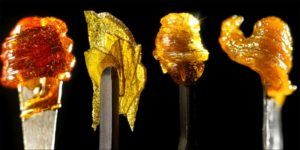
Texture is one of the first things people notice when they open a fresh jar of cannabis extract. Crumble falls apart like damp sand, shatter snaps like glass, budder melts on the fingertip, and live resin pulls like warm taffy. The differences are not random. They come from the chemistry of the trichome, the way the material was processed during extraction, and what happens to the concentrate afterwards. For anyone buying dabs in Brisbane or Melbourne — or ordering through mail-order services from Perth — understanding why some extracts hold together while others fall to dust helps separate a worthwhile purchase from a forgettable one.
The science behind crumble versus sticky texture comes down to a handful of interacting variables. Terpene content, residual moisture, the original plant material, the temperature of the solvent purge, and even how the concentrate is handled once it is jarred all play a role. None of these factors work alone, which is why two jars from the same cultivator can look and feel completely different. Texture is a kind of fingerprint that tells the story of how the extract was made, how it was stored, and how fresh it really is.
The chemistry behind crumble and sticky concentrates
The defining trait of crumble is its dry, honeycomb-like structure that breaks apart under the lightest pressure. To get that texture, extractors typically purge the solvent at a higher temperature for a longer period, which drives off more volatile terpenes and moisture. The result is a concentrate with a lower terpene percentage, meaning less of the natural oils that would otherwise hold the material together. A concentrate that stays sticky usually retains more of these lighter oils, which is why pulling a fresh gram of live resin off parchment can feel almost like working with cold honey.
Moisture plays a surprising role in the final consistency as well. A concentrate purged too aggressively can lose not just terpenes but also trace amounts of water-soluble compounds, leaving behind a brittle matrix that cracks under the slightest pressure. Sticky extracts, by contrast, often hold a small amount of residual moisture alongside their terpene load, giving them that wet, glossy finish. The trick for producers is to remove enough solvent for safety without stripping away everything that gives it texture and aroma.
Strain selection matters here too. Cultivars that grow heavy with terpenes — like many of the fruity, gassy varieties popular among Sydney medical patients — tend to produce extracts with naturally higher terpene counts. When those strains are processed gently, the resulting concentrate leans toward the stickier end of the spectrum. Drier, more cannabinoid-dominant genetics often produce brittle shatter or crumble even before any heat is applied during purging.
How extraction method shapes texture
The way a concentrate is pulled has a direct impact on its final feel. Hydrocarbon extraction using butane or propane tends to preserve a wider range of cannabinoids and terpenes, especially when the solvent is recovered at lower temperatures. This is one reason BHO often comes out as budder, sauce, or sugar wax rather than as a dry crumble. The lighter hydrocarbons strip the trichome heads more gently and carry over more of the aromatic compounds.
CO2 extraction, by contrast, tends to produce a waxier, sometimes crumblier product because the higher pressures and temperatures used in the process can degrade some of the volatile terpenes. Solventless methods like rosin pressing and ice water hash rely entirely on mechanical separation, and the texture is determined by the starting resin quality and the pressure applied during the press. Rosin can come out as a stable, glassy shatter or a greasy, budder-like consistency depending on how warm the plates run.
Post-processing is where producers can deliberately push a concentrate toward crumble. Some makers whip the oil under vacuum while it cools, introducing air and breaking the structure into a crumbly texture. Others pour the extract onto a wide surface to increase surface area, allowing faster solvent evacuation. Each of these steps is a choice, and an experienced extractor can usually predict the final texture before the purge even begins.
Storage, climate, and the Australian market
Where and how a concentrate is stored matters just as much as how it was made. Australia's climate swings from the humid tropics of Cairns to the dry desert air of Alice Springs, and that variation affects how extracts behave in the jar. In coastal cities like Sydney, where summer humidity can sit above seventy percent for weeks, even a well-made crumble can absorb enough moisture from the air to turn sticky and dark. In contrast, a sticky live resin stored in a hot Melbourne garage can dry out and lose its pull, becoming something closer to a brittle wax over time.
Temperature swings are another culprit. Many Australians store their medicine in the fridge to keep it cool, but doing so without proper sealing can introduce condensation when the jar comes back to room temperature. That moisture can promote microbial growth or cause the concentrate to lose its terpenes through repeated heating and cooling. A stable, cool, dark environment in an airtight silicone or glass container is usually best, no matter where in the country the buyer lives.
Australian legislation also shapes how people buy and store these products. Medical cannabis is regulated federally through the Therapeutic Goods Administration, with patient access granted through the Special Access Scheme or through Authorised Prescribers. Recreational cannabis remains illegal across most states and territories, though the ACT has its own framework allowing small amounts of personal possession and home cultivation. This patchwork of rules means many Australians rely on online dispensaries like Quality THC Portal to access product without the trip to a local pharmacy.
A few habits help keep concentrates in good shape once they hit the shelf:
- Keep jars in a cool, dark drawer away from windows and direct heat.
- Use silicone containers for sticky textures to stop waste sticking to glass.
- Avoid opening the jar in humid rooms like the bathroom after a hot shower.
- Vacuum-seal larger quantities if buying in bulk through an online dispensary.
- Never leave them in the car during an Australian summer, where cabin temperatures can climb past sixty degrees in minutes.
Strain genetics and curing practices
Before any extraction begins, the cannabis flower or hash itself sets the stage for the final texture. Properly cured flower — dried slowly in a dark, humidity-controlled environment over several weeks — tends to produce a more stable extract. When trichomes are harvested at peak maturity and dried gradually, the cannabinoid and terpene profile is preserved, which gives the concentrate a richer, more aromatic character. Rushed curing or drying at high heat can lock in chlorophyll and plant waxes that make the final extract harsher and less stable.
The choice between flash-frozen fresh-frozen material and dried-and-cured flower also matters. Live resin, which uses fresh-frozen starting material, tends to come out stickier and more aromatic because the terpene profile is locked in at the moment of harvest. Cured-resin extracts, made from dried flower, often have a more subtle aroma but can be more stable on the shelf. Producers who want a crumble will sometimes start with cured flower specifically because the lower terpene content makes the brittle texture easier to achieve.
Cultivation environment plays a role as well. Plants grown indoors under tightly controlled lights tend to have denser trichomes than outdoor crops, which can translate into a richer extract. Outdoor Australian growers in regions like the Hunter Valley or Tasmania's cooler south have to deal with mould pressure, which can force an early harvest that produces a less mature trichome head. Those choices trickle down into the jar, affecting everything from potency to texture.
Some signs of a well-made concentrate worth keeping on the shelf:
- Aroma is loud and matches the strain name on the label.
- Texture feels uniform throughout the jar, with no wet or dry patches.
- Colour sits in the golden-to-blonde range rather than dark brown.
- Trichome heads were harvested at peak maturity under magnification.
- Lab results show a terpene percentage that matches the texture in the jar.
Comparing common concentrate textures
Different consistencies each have their own appeal, and buyers often choose based on how they plan to consume. The breakdown below shows how the most common textures found on the local market stack up across potency, terpene retention, ease of handling, and shelf stability over time.
| Texture | Typical potency | Terpene retention | Ease of handling | Shelf stability |
|---|---|---|---|---|
| Crumble | 70–85% | Low to moderate | Easy to break apart | Very stable |
| Shatter | 70–90% | Moderate | Brittle, snaps clean | Stable |
| Wax | 65–80% | Moderate | Soft, easy to scoop | Moderate |
| Budder | 75–90% | High | Spreads on the tool | Moderate |
| Live resin | 70–85% | Very high | Sticky, dab tool required | Lower |
Most dabbers in Brisbane and Perth prefer crumble and shatter for their easy handling, while enthusiasts chasing flavour often gravitate toward live resin and budder despite the messier handling. The trade-off is usually a question of stability versus aroma.
For anyone weighing up where to buy, a few practical points help cut through the noise. Look for transparent lab results, clear strain information, and packaging that protects the concentrate from light and air during transit. Compare prices in Australian dollars, factor in shipping times from major dispatch hubs like Sydney or the Sunshine Coast, and check whether the supplier offers discreet billing and encrypted checkout. Many Australian buyers also juggle side hobbies alongside their stash, whether that is restoring old furniture or browsing a vinyl turntable marketplace for weekend listening sessions, so bundling habits can sometimes lead to smarter freight choices across more than one interest. The right supplier will make the whole process feel simple, from browsing the menu to doorstep delivery.