No products in the cart.
QUALITY THC PORTAL - BUY QUALITY THC PRODUCTS ONLINE - FAST DELIVERY
Welcome to Quality THC Portal. We are premium suppliers of Quality THC Products. We supply in bulk and small quantities the following products; Package weed , Pre-rolls , Vape cartridges and Marijuana concentrates. We deliver to most countries around the world and delivery is fast and secured. Our website is well encrypted to product all your information we receive to process your orders and also we have a well setup and stable customer service team who are always available to assist you incase of any difficulty while trying to make purchase on our website. We are certain you shall enjoy our services.
Best Selling Products
Sale!


CARTRIDGES
Sale!


CARTRIDGES
Sale!

CARTRIDGES
Sale!

CARTRIDGES

HASH
$
70.00
–
$
305.00

CARTRIDGES
$
25.00

CARTRIDGES
$
25.00
Sale!

CARTRIDGES
Browse our categories


our services
free express delivery
When your order is more than $299, you receive FREE express delivery and can look forward to the worlds best medical marijuana and associate products delivered directly to your door
Exquisite Collection
We’re extremely picky about product quality & our collection is constantly being refined & is comprised of the finest buds known to humankind
Top-notch Support
We pride ourselves in providing exceptional support and we’re among the few offering dedicated 24/7 chat support to our valued customers.
Hash that crumbles or hash that sticks: what to look for
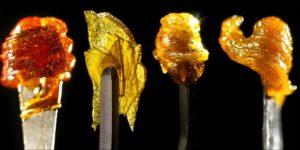
The first thing most buyers notice about a new batch of hash is how it behaves in the palm. A dry-cured hash breaks into sandy, loose pieces that fall away from your fingers, while a stickier batch presses flat and clings to the paper in your hand. That difference reveals more about how the plant was dried, cured and stored than any label ever will, and it is the quickest quality check available to a buyer. In Australia, where cannabis sits in an unusual legal middle ground — medicinal scripts through the TGA's authorised prescriber pathway, legal home growing in several states, and a licensed adult-use market only in South Australia — texture is often the most practical way to separate a decent extract from a disappointing one.
Neither texture automatically signals good or bad. A crumbly hash that snaps into golden, resinous bits has usually been cured properly and is easy to roll, but it can burn through quickly in a bowl at a Sunday barbecue. Sticky hash usually means more moisture left in the plant: more forgiving in the grinder and easier to shape into a roll, yet potentially harsher to smoke and prone to smouldering if it has not had enough cure. The sweet spot sits in between — a crumble that still holds together when you press it, and a stick that breaks with a gentle thumb rather than needing a knife.
Texture also tells a storage story. A batch cured in a Perth winter behaves differently from one dried in a Brisbane summer, and the same product can change character after a fortnight in a jar on a shelf in Sydney. This guide covers what to look for, how to test a sample before committing, and where Australians are buying hash today. One warning up front: cannabis is a prohibited import under Australian customs law, so check the rules and the product before ordering, and use licensed local dispensaries for anything medicinal.
Why texture reveals cure and moisture
Curing is the slow half of making hash, and it decides whether a batch crumbles or clumps. After the initial dry, a good producer hangs the plant in a cool, dark room for roughly a week to ten days, then opens the airflow for a final stage. Trichomes should stay intact, the surface should feel sandy rather than waxy, and the resin should break away from the flower in small amber flecks. Roll a piece between your fingers: you want a loose, slightly oily pile, not a sticky lump and not talcum powder.
The two failure modes are easy to spot once you know them. Under-cured hash feels tacky and gummy, can smell faintly of ammonia or fresh-cut grass, and sticks to the inside of a zip bag. Over-dried hash goes dusty, loses its aroma in the jar and crumbles to a fine powder that clings to your fingers and leaves nothing behind in the bowl. Powder is not the same as a good crumble: one keeps its structure and smell, the other has lost both.
Climate sets the odds locally. Perth's dry summers and Melbourne's sharp four-season swings usually produce a drier, more crumbly result, while Queensland humidity through a wet February can push a batch toward the sticky end unless it has been properly aired out. Batches that cross the country in a courier van or sit in a post box during a January heatwave can arrive stickier than the seller intended, or drier if the container leaked. That is where smell becomes a useful second opinion.
Reading aroma, colour and trim alongside texture
Your nose is the fastest second check. A well-cured hash should still smell like the plant it came from: pine and citrus for many indica-leaning batches, a fuel or diesel note for heavier modern crosses, a bright lemon or mango for fruit-forward profiles. When you open the jar the aroma should arrive immediately rather than needing coaxing. If the first thing you pick up is cardboard, old hay or dusty musk, the batch has been poorly stored or has been sitting since the middle of last year.
Colour and trim give supporting clues. Amber and chestnut tones with flecks of darker trichome usually point to a healthy cure, while a grey, dull or almost black surface suggests oxidation and heavy ageing. White powder in the bottom of the jar is usually kief separated from the hash, which is normal, and it should still carry aroma. Large, soft, green bits mixed through the crumble usually mean the hash was cut from leafier flower rather than properly sieved, and they can taste sharper and harsher when burned.
Before committing to a larger order, a guide written for new buyers is worth more than any seller description. The first-time buyer checklist covers the details that actually predict whether a product arrives intact, including how packaging, testing and discreet delivery are handled.
Testing texture in a grinder, a bowl and a joint
Put a sample in a two-compartment grinder and pulse it for a few seconds instead of grinding it down. Crumbly hash should break into sandy grains that keep their shape in the lower chamber, while sticky hash will smear slightly against the metal, which tells you there is more residual moisture in the resin. Press a small piece between thumb and forefinger: it should crack and compress into a flat, slightly tacky sheet that holds together until you roll it.
That behaviour changes everything downstream. A crumble that breaks too fine can fall out of the cone, so use a smaller pinch, add a filter tip and tamp lightly rather than packing hard. A sticky batch stays where you put it, which makes rolling easier and keeps the joint intact, though a wetter hash can smoulder, run down one side of the bowl and turn a session into a coughing fit. The burn test settles the argument: a properly cured crumble gives an even, self-extinguishing bowl, while an under-cured stick often burns hot and fast.
Side by side, the differences look like this:
| Feature | Hash that crumbles | Hash that sticks |
|---|---|---|
| Moisture after curing | Lower surface moisture, well aired | Higher residual moisture, softer resin |
| Feel in the palm | Sandy, loose, breaks into small bits | Presses flat, clings to fingers and paper |
| Typical aroma | Sharp and fully expressed terpenes | Earthier or greener, occasionally flatter |
| Ease of rolling | Breaks fine, can fall out of the paper | Holds together, sticks to the paper |
| Burn | Clean and even, but can burn through quickly | May smoulder or run, harsh if under-cured |
| Best suited to | Grinders and short bowls | Rolling and handling without fuss |
| Storage | Keep sealed and cool or it goes powdery | Seals well but can sweat in warm rooms |
Descriptions matter too, because sellers rarely use the same words for the same texture. Listings calling a batch sandy, a one-hander or easy to roll point to a dry crumble; waxier or sticky fingerprints point to something else. Comparing how retailers describe their own products, such as Opohar's hash range, can sharpen your eye for these words before you spend money.
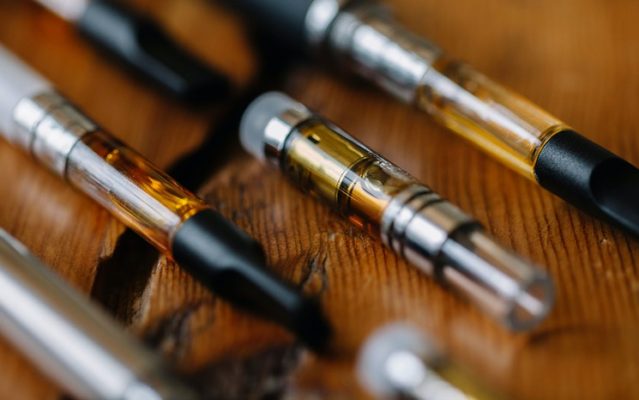
One caution for anyone who also uses cartridges: texture tells you nothing about how a vape oil performs, and hardware deserves its own checks for coil integrity, wicking and battery safety. Keep concentrates and dry flower separate, and never burn material that has been through a vaporiser.
Where Australians buy hash and what the law allows
Hash reaches Australian buyers through a handful of routes worth understanding. Most medicinal product is prescribed through the TGA's authorised prescriber pathway and supplied by a licensed dispensary, with concentrates available on scripts in some cases. Several states allow limited home growing: NSW permits up to five plants for adults and more for medicinal patients, the ACT allows ten, Victoria allows ten with no more than five flowering at once, and WA and SA have their own caps, while Queensland permits no household growing at all. South Australia now runs a legal adult-use market, and Western Australia allows cannabis sales through licensed pharmacies only.
That leaves a large grey zone, and it is where international online stores come in. Sites such as Quality THC Portal's store advertise hash, live resin, pre-rolls and cartridges in small quantities and bulk packs, with international delivery, encrypted checkout, around-the-clock chat support and free express shipping on larger orders. The appeal is obvious: wider selection, published reviews and product pages that describe texture in detail. The risk is just as obvious, because cannabis is a prohibited import under the Customs Act and bringing it into the country is an offence, so check the rules and the seller's shipping terms before a parcel is on its way.
The practical checks are simple. Look for independent lab results or certificates of analysis on the listing rather than a badge with no numbers attached. Read buyer reviews that mention packaging condition, delivery time and whether the hash arrived crumbly or sticky, and confirm what happens if a parcel is lost. No overseas seller can offer Australian consumer protections, and no chat agent can change what the border rules say.
Storing hash and getting the most from every gram
Storage decides how long the texture lasts. Keep hash in an airtight glass jar, away from light and heat, and do not leave it in a glovebox or on a windowsill through an Adelaide or Brisbane summer. Refrigeration only helps if the container is sealed properly, since condensation can add the very moisture you were trying to remove. If you bought a large amount, divide it into smaller jars so opening one does not expose all of it to air.
Quick checks before you buy
- Press a piece between two fingers: it should crack into sandy bits that still hold a little oil, not smear into paste.
- Smell the jar opening: a clear, plant-like aroma with no hint of ammonia points to a better cure.
- Grind a small sample and leave it in the lower chamber for a minute to check for moisture and stickiness.
- Ask how the batch was cured and whether it is sieved from flower or cut from leaf-heavy trim.
- Buy a small quantity first, then order more once you know how the batch rolls and burns.
- Check that the listing shows independent test results, and confirm the delivery terms before paying.
If you are ready to order, start small. Browse the hash listings, compare how each one describes its crumble or stick, and use the chat service if anything is unclear — a seller who explains the cure in detail usually knows the product properly. Keep your receipts, store the first jar well, and the texture you were promised should be the texture you receive.
Keep the law, the road and the household in view as well: never drive after using cannabis in Victoria, NSW or anywhere else in Australia, keep products locked away from children and pets, and stick to legal local supply for anything medicinal. Take your time with a small test, learn what works in your grinder, and you will find a hash that handles the way you want.