No products in the cart.
QUALITY THC PORTAL - BUY QUALITY THC PRODUCTS ONLINE - FAST DELIVERY
Welcome to Quality THC Portal. We are premium suppliers of Quality THC Products. We supply in bulk and small quantities the following products; Package weed , Pre-rolls , Vape cartridges and Marijuana concentrates. We deliver to most countries around the world and delivery is fast and secured. Our website is well encrypted to product all your information we receive to process your orders and also we have a well setup and stable customer service team who are always available to assist you incase of any difficulty while trying to make purchase on our website. We are certain you shall enjoy our services.
Best Selling Products
Sale!


CARTRIDGES
Sale!

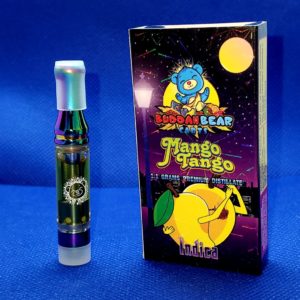
CARTRIDGES
Sale!

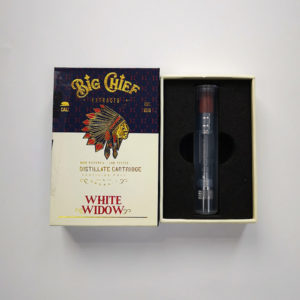
CARTRIDGES
Sale!

CARTRIDGES

HASH
$
70.00
–
$
305.00

CARTRIDGES
$
25.00

CARTRIDGES
$
25.00
Sale!

CARTRIDGES
Browse our categories


our services
free express delivery
When your order is more than $299, you receive FREE express delivery and can look forward to the worlds best medical marijuana and associate products delivered directly to your door
Exquisite Collection
We’re extremely picky about product quality & our collection is constantly being refined & is comprised of the finest buds known to humankind
Top-notch Support
We pride ourselves in providing exceptional support and we’re among the few offering dedicated 24/7 chat support to our valued customers.
Why terpene content matters in live resin sauces
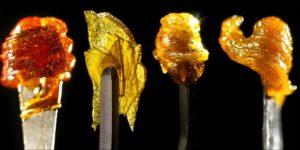
Live resin sauce is a viscous cannabis concentrate valued for its layered aroma, dense texture and volatile compounds retained from fresh or lightly cured flowers. Its defining feature is not simply a high THC number. Terpenes—aromatic hydrocarbons such as limonene, myrcene, pinene and linalool—shape much of the scent and taste, and their relative abundance can help distinguish one batch or cultivar expression from another. Learn more about Quel Programmateur Journalier Pour Gérer Vos éclairages Extérieurs.
Terpene content matters because those molecules are part of the concentrate itself rather than flavouring added afterwards. They can influence how a product smells, how its aroma develops when warmed and how the material behaves during handling. Some have researched biological effects in laboratory or early clinical settings, but current evidence does not justify treating a high terpene percentage as a guarantee of stronger effects, better tolerance or greater medical benefit.
For Australian buyers, significance must be separated from marketing. The quantity of THC, the balance of cannabinoids and the full terpene profile tell different stories. A richly aromatic sauce may still be potent, while a modest terpene figure can accompany an excellent product; conversely, an intense aroma can arise from a small number of dominant molecules without representing a particularly complex profile.
Process, freshness and storage also determine what reaches the consumer. Volatile terpenes can evaporate, oxidise or change when resin is heated, whipped, cured or exposed to poor storage conditions. The most useful assessment therefore compares terpene data with the source material, production method, cannabinoid results and packaging conditions rather than treating one number as a stand-alone score.
What terpene readings can and cannot reveal
Terpene readings usually describe the share of a sample made up of identified volatile compounds. Some laboratories report a total terpene percentage, while others list selected major and minor terpenes. A dominant terpene is useful for characterising aroma, but concentration alone does not measure complexity, potency or safety. Analytical methods, extraction efficiency and naturally variable fresh-plant chemistry all affect the result.
| Label signal | What it can indicate | What it cannot establish |
|---|---|---|
| Total terpene percentage | The approximate share of measured volatile compounds | Overall quality, potency or clinical superiority |
| Dominant terpene | The clearest part of the aromatic profile | A predictable effect or exact strain identity |
| Minor terpene presence | Greater profile detail and complexity | Purity, safety or consistency between batches |
| THC and other cannabinoid results | Relative potency within the sample | Entourage synergy or suitability for every consumer |
A profile may also help flag inconsistencies. A label claiming citrus-forward aromatics but showing almost no limonene deserves clarification, as does a supposed berry profile without the expected volatile markers. However, natural variation, oxygen exposure and differing laboratory panels can alter results. Accurate interpretation depends on knowing which compounds were tested and how the percentage was calculated.
Most consumers do not need to interpret terpene chemistry at a laboratory level. They need enough trustworthy information to decide whether the aroma sounds appealing, whether the texture matches the product type and whether the cannabinoid strength suits their circumstances. In Australia, this sits alongside rather than replaces legal access, accurate THC labelling and product authentication.
Aromatic character, texture and perceived effects
Terpenes contribute to the sensory phase of use, often before the full effects of a concentrate are perceived. Limonene is commonly associated with bright citrus notes, myrcene with earthy or peppery notes, and pinene with pine. These associations help explain aroma, but they do not predict a guaranteed mood or outcome. The familiar entourage idea proposes that cannabinoids and terpenes work together, yet laboratory interactions do not amount to proven clinical superiority for one particular blend.
Live resin’s cold-processing reputation is useful only when producers explain what it means. Fresh-frozen plant can retain more of the original volatile profile than material held for months, but “live resin” and “sauce” are not tightly standardised category names. Some sauces are whipped after hydrocarbon extraction, while others use different solvents, pressures, temperatures or finishing techniques. The final aroma may become richer even when the original terpene percentage has changed.
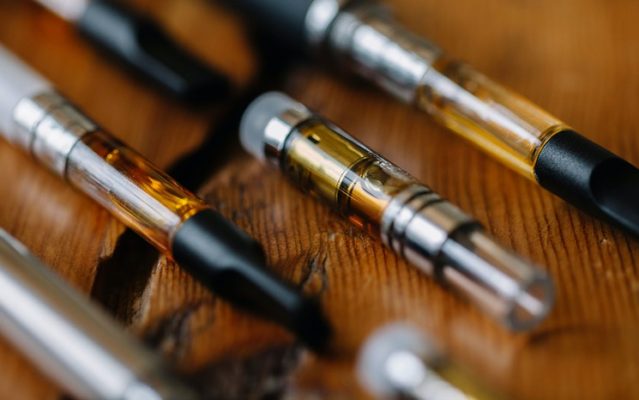
Heat changes the picture again. A vape cartridge or heated concentrate surface may alter terpene ratios, while oxidation during storage can create deeper, harsher notes. This makes aroma a useful orientation point rather than proof of the starting material. Buyers should look for a declared cultivar or chemotype, batch-level cannabinoid results, a manufacturing or expiry date and clear storage guidance. Naturally occurring terpenes should not be assumed to make every inhaled product harmless.
How processing changes terpene expression
Terpenes are delicate molecules whose abundance and composition can shift throughout production. Pressure, temperature, solvent contact, evaporation and resting periods all influence which compounds remain. A cold extraction may preserve a broad aromatic profile, yet later whipping can introduce air and change the texture without substantially increasing the original resin mass. Sauce is therefore a finishing description as much as an extraction method.
Concentration can also create a misleading numerical impression. Evaporation may remove some volatiles and raise the percentage of the ones retained, while another process may strip away a broader range and leave the measured total lower. The resulting profile can differ from the source flower even when the plant material has a recognisable aroma. Transparency about raw material, extraction method and post-processing provides a better basis for comparison than the word “live” alone.
Consistency is not achieved through a single dramatic step. Extraction records, input temperature, resting time, batch sequence and packaging conditions act like a schedule: each variable must be controlled so one batch can be compared with the next. The value of programmed timing is illustrated in daily lighting schedules, where repeatable routines help coordinate changing external conditions. For a concentrate buyer, that principle translates into a producer willing to document its own process.
Australian access, customs and label checks
Australia’s legal medicinal cannabis market is regulated federally by the Therapeutic Goods Administration, which assesses products for inclusion in the Australian Register of Therapeutic Goods. Patients generally need a prescription from an authorised prescriber, with approved products supplied through pharmacies or special-access pathways. A product’s presence in an overseas online catalogue does not establish that it has been assessed or approved for Australian supply.
Access networks are visible in Sydney, Melbourne, Brisbane, Adelaide and Perth, where pharmacy-based and telehealth pathways operate, although participating providers and available products differ by location. The local market includes Australian-grown products alongside imported medicines, with each supply route potentially showing different packaging, batch information and labelling. Recreational cannabis remains unlawful under federal law, and state or territory rules do not create a broad exemption for possession, cultivation or unauthorised sale.
Customs controls are another essential part of the Australian reality. The Australian Border Force can inspect, detain and seize undeclared or prohibited goods, while an international delivery policy does not grant a retailer or consumer permission to import controlled substances. Personal-use parcels are not the same as licensed medicinal supply. Anyone considering an overseas product should first establish its regulatory status and the legal route through which it can lawfully reach them.
Labels on lawful medicinal products should identify the responsible Australian sponsor, product name, ingredients, cannabinoid content, batch or lot details, expiry information, manufacturer details and storage instructions where applicable. A compliant label may list terpenes without providing a quantified percentage. If that information is important, consumers can ask a pharmacist or the manufacturer for batch-specific supporting results rather than relying on aroma claims or an online description.
A practical buying and storage checklist
A disciplined comparison is more useful than chasing the largest terpene number. Separate legal access and product authentication from sensory preference, and consider each part of the label independently.
- Confirm the legal route: Verify that the product is approved for medicinal supply or covered by an authorised access pathway in Australia.
- Check the manufacturer and sponsor: Look for traceable company details, a relevant Australian registration and properly displayed batch information.
- Separate potency from aroma: Review THC, CBD, other cannabinoids and terpene data rather than assuming one substitutes for another.
- Request supporting results: Ask for available batch-level laboratory information, especially when the label gives no terpene percentage.
- Treat aroma as a preview: A fragrance description can indicate character, but it cannot prove potency, purity or effects.
Once a lawful product has been obtained, storage protects the volatile compounds that shaped its original profile. Follow the manufacturer’s directions rather than relying on general storage assumptions.
- Follow the stated conditions: Use the temperature, light and humidity guidance supplied with the product.
- Keep the container sealed: Air exposure accelerates volatile loss and oxidation, so close the jar promptly after use.
- Avoid heat and direct sunlight: Warm storage can change texture, pressure and terpene composition.
- Refrigerate only when directed: An unapproved refrigerator can create condensation and introduce moisture.
- Store away from other people: Keep the product inaccessible to children and pets, and follow prescribed-dose and driving warnings.
Browse live resin sauce options to understand the available formats and sensory profiles, then cross-check any candidate against Australian approval, prescribing and customs requirements before ordering. Choose the clearest label, the aroma you genuinely enjoy and the potency directed by a qualified clinician—not the loudest fragrance or largest percentage.