No products in the cart.
QUALITY THC PORTAL - BUY QUALITY THC PRODUCTS ONLINE - FAST DELIVERY
Welcome to Quality THC Portal. We are premium suppliers of Quality THC Products. We supply in bulk and small quantities the following products; Package weed , Pre-rolls , Vape cartridges and Marijuana concentrates. We deliver to most countries around the world and delivery is fast and secured. Our website is well encrypted to product all your information we receive to process your orders and also we have a well setup and stable customer service team who are always available to assist you incase of any difficulty while trying to make purchase on our website. We are certain you shall enjoy our services.
Best Selling Products
Sale!


CARTRIDGES
Sale!


CARTRIDGES
Sale!

CARTRIDGES
Sale!

CARTRIDGES

HASH
$
70.00
–
$
305.00

CARTRIDGES
$
25.00

CARTRIDGES
$
25.00
Sale!

CARTRIDGES
Browse our categories


our services
free express delivery
When your order is more than $299, you receive FREE express delivery and can look forward to the worlds best medical marijuana and associate products delivered directly to your door
Exquisite Collection
We’re extremely picky about product quality & our collection is constantly being refined & is comprised of the finest buds known to humankind
Top-notch Support
We pride ourselves in providing exceptional support and we’re among the few offering dedicated 24/7 chat support to our valued customers.
Budder, Wax, And Shatter Explained
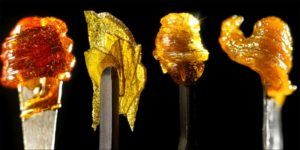
Cannabis concentrates can look surprisingly different even when they begin with similar plant material. Budder is soft and creamy, wax is often crumbly or sticky, and shatter is usually a clear, glass-like sheet. These names primarily describe texture, consistency, and processing characteristics rather than completely different types of cannabis.
For Australian consumers, the distinction matters because concentrates can contain far more THC than ordinary flower. A small visual difference may indicate a different handling method, terpene profile, or storage requirement, but appearance alone cannot confirm quality or potency. Laboratory testing and accurate labelling are more useful than colour or texture.
The Australian market also has legal complications. Recreational cannabis remains prohibited under Australian law, while medicinal cannabis is available only through authorised medical pathways. Rules can differ between states and territories, and the ACT’s limited personal-use provisions do not create a nationwide retail market. Understanding the product is therefore only part of responsible decision-making.
What These Concentrates Have In Common
Budder, wax, and shatter are forms of cannabis extract made by separating cannabinoids and terpenes from the plant. The extraction process commonly uses solvents or other specialised methods, followed by filtration, purging, and controlled manipulation. The final consistency depends on factors such as temperature, agitation, moisture, starting material, and the way residual compounds are removed.
All three products can be highly concentrated. Flower may contain a broad range of cannabinoids at a moderate percentage, while extracts can carry much higher THC levels in a very small quantity. That difference makes dosing more difficult, particularly for people who have little experience with cannabis or who are accustomed to lower-strength products.
The terms are also not perfectly standardised. One producer’s “wax” may be another producer’s “crumble”, and a product labelled “budder” can range from smooth and creamy to dense and slightly grainy. Consumers should treat the name as a general description rather than a guaranteed technical classification.
How Budder Gets Its Soft Texture
Budder is usually recognised by its whipped, creamy, or butter-like consistency. It may be pale gold, tan, or light amber, although colour varies with the plant material, extraction method, and level of refinement. Its soft texture is commonly created through controlled agitation while the extract cools or finishes purging.
The whipping process introduces a particular structure that makes budder easier to scoop than a rigid concentrate. It can spread across a tool and may become softer in a warm room. During a hot Sydney summer, a container that feels firm in an air-conditioned room may become loose or oily if left in a car, near a window, or in a parcel exposed to heat.
Budder often retains a noticeable aroma because terpenes can remain present during processing. This may produce citrus, pine, floral, fuel, or herbal notes. Aroma is useful for describing a sensory profile, but it does not prove that a product is fresh, safe, or accurately labelled.
Why Wax Looks And Feels Different
Wax generally has a thicker, less uniform appearance than budder. It can resemble soft candle wax, whipped honey, or a crumbly golden mass. Some waxes are dry and crumbly, while others are sticky and pliable. The difference often reflects how much the extract was agitated, how it was purged, and how it was stored after production.
Compared with shatter, wax is less likely to remain in a smooth, rigid sheet. It may be easier to portion with a suitable tool, although that should not be confused with being easy to dose. A small piece can contain a substantial amount of THC, and visual estimates are unreliable when there is no verified cannabinoid testing.
Texture can change quickly. Warmth may make wax runny, while cold conditions can make it stiff or brittle. A sealed, clearly labelled container stored away from direct sunlight and excessive heat helps preserve consistency. People should avoid handling concentrates with wet tools, as moisture can affect texture and encourage contamination.
What Makes Shatter Distinct
Shatter is named for its hard, translucent appearance and tendency to break or snap when handled. It is often made into thin sheets with an amber, honey, or golden colour. Depending on its composition and temperature, it may be glass-like and brittle or slightly pliable.
The smooth appearance is linked to processing that allows the extract to settle without being heavily agitated. When exposed to warmth, shatter may soften and become tacky. When chilled, it can become especially fragile, making it easy to break into pieces that are smaller than intended.
Clear shatter is not automatically stronger or purer than opaque budder or wax. Cloudiness, darkening, or crystallisation can result from different compounds and storage conditions, while a bright appearance does not replace independent testing. A certificate of analysis should ideally identify THC, CBD, terpene content, contaminants, and the batch tested.
Potency, Terpenes, And Dosing
The main practical difference between these concentrates is usually consistency, not a guaranteed difference in effect. A budder, wax, and shatter made from the same cultivar and processed to a similar standard could have broadly similar cannabinoid content. Their experiences may still differ because terpene ratios, minor cannabinoids, residual solvents, and personal tolerance affect the result.
High-THC extracts can produce effects quickly and intensely. Possible unwanted reactions include anxiety, dizziness, impaired coordination, rapid heartbeat, nausea, and confusion. Combining cannabis with alcohol or other intoxicating substances can increase impairment. Anyone using prescribed medicines should speak with a qualified health professional because cannabis may interact with treatment.
Useful information to look for includes:
- Total THC and CBD displayed as a percentage and, where possible, milligrams
- A batch number connected to an independent laboratory report
- Testing for pesticides, mould, heavy metals, and residual solvents
- A clear ingredient list showing whether terpenes or additives were included
- Storage guidance, production dates, and an expiry or review date
A product’s texture should never be used as a dosing guide. People authorised to use medicinal cannabis should follow the instructions from their prescriber and pharmacist, begin only as directed, and avoid driving or operating machinery while impaired. Australian roadside testing and state-based driving laws can create serious consequences even when cannabis was used lawfully through a medicinal pathway.
Choosing And Storing Extracts In Australia
Australian conditions make storage especially important. Heat in Brisbane, humid coastal weather around Darwin, and sharp summer temperatures in Melbourne can all alter concentrates. Excessive warmth may cause terpene loss, leaking, separation, or a change from a firm texture to an oily one. Direct sunlight can also degrade cannabinoids and affect colour.
Keep extracts in their original, sealed packaging in a cool, dark place, away from children, pets, food, and people who could mistake them for ordinary products. A stable indoor cupboard is generally preferable to a bathroom, glovebox, or kitchen bench. Refrigeration may be recommended for some products, but condensation can become a problem if a cold container is opened repeatedly in humid air.
When assessing an online listing, look for transparent product details rather than dramatic claims. The product catalogue may provide an example of how extracts, cartridges, flower, and related products are grouped for browsing, but any Australian customer should separately verify the legal position, shipping conditions, and authenticity of the item before taking action.
International delivery claims deserve particular caution. Australian border controls can intercept cannabis and cannabis-derived products, and importing controlled substances without the required authorisation may lead to seizure, fines, or prosecution. Free express shipping, bulk discounts, and 24/7 chat support do not establish that a product is lawful or medically appropriate.
Reading Labels And Buying Responsibly
A trustworthy label should make it possible to identify what the product is, how strong it is, how it was tested, and who produced it. Vague statements such as “premium”, “ultra-pure”, or “maximum strength” have little meaning without measurable results. A professional presentation can also be copied, so consumers should check whether documentation is specific to the listed batch.
Marketing language may create confusion when a site sells products across different countries. Australian customers should be careful with claims about guaranteed effects, discreet international delivery, or products being “legal everywhere”. Promotional pages and account-management information can also reveal how a business handles communications; even unrelated bonus-offer opt-out information illustrates why consumers should read terms, privacy details, and unsubscribe options rather than relying on a headline.
Warning signs include:
- No batch-specific laboratory report or verifiable producer details
- Labels that omit cannabinoid percentages, ingredients, or net weight
- Unusually low prices paired with claims of exceptional potency
- Pressure to pay quickly through methods with no customer protection
- Promises that international shipping avoids Australian legal restrictions
For people in Australia considering medicinal cannabis, the safer route is to discuss symptoms, previous treatment, and potential risks with a registered doctor. Approved products supplied through legal channels should come with appropriate directions and pharmacist support. Recreational purchases from unverified websites carry additional uncertainty about contamination, mislabelling, payment security, and legal exposure.
Budder, wax, and shatter are best understood as different concentrate textures shaped by processing and storage. Budder is soft and creamy, wax is variable and often crumbly or sticky, and shatter is firm and glass-like. None is automatically safer, cleaner, or more potent simply because of its appearance.
Use these distinctions to read product descriptions critically, compare verified laboratory information, and recognise when a marketing claim is stronger than the evidence behind it. Before obtaining or using any THC concentrate in Australia, check the current rules in your state or territory and seek advice from an authorised medical professional.