No products in the cart.
QUALITY THC PORTAL - BUY QUALITY THC PRODUCTS ONLINE - FAST DELIVERY
Welcome to Quality THC Portal. We are premium suppliers of Quality THC Products. We supply in bulk and small quantities the following products; Package weed , Pre-rolls , Vape cartridges and Marijuana concentrates. We deliver to most countries around the world and delivery is fast and secured. Our website is well encrypted to product all your information we receive to process your orders and also we have a well setup and stable customer service team who are always available to assist you incase of any difficulty while trying to make purchase on our website. We are certain you shall enjoy our services.
Best Selling Products
Sale!


CARTRIDGES
Sale!

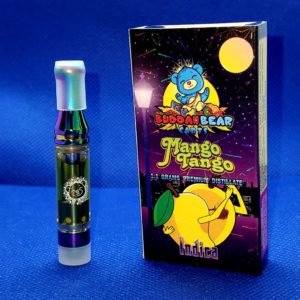
CARTRIDGES
Sale!

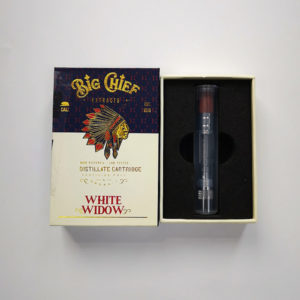
CARTRIDGES
Sale!

CARTRIDGES

HASH
$
70.00
–
$
305.00

CARTRIDGES
$
25.00

CARTRIDGES
$
25.00
Sale!

CARTRIDGES
Browse our categories


our services
free express delivery
When your order is more than $299, you receive FREE express delivery and can look forward to the worlds best medical marijuana and associate products delivered directly to your door
Exquisite Collection
We’re extremely picky about product quality & our collection is constantly being refined & is comprised of the finest buds known to humankind
Top-notch Support
We pride ourselves in providing exceptional support and we’re among the few offering dedicated 24/7 chat support to our valued customers.
THCV Explained: The Cannabis Compound Linked to Energy and Alertness
Cannabis consumers in Melbourne and Sydney have started asking the same question that curious users around the world are asking: what exactly is THCV, and why are certain strains promoted as energising rather than relaxing? Tetrahydrocannabivarin, shortened to THCV, is a minor cannabinoid that shares part of its name with THC but behaves quite differently in the body. It occurs naturally in the plant and has attracted attention from researchers, growers, and product developers for its unique profile.
Unlike CBD or CBN, THCV is not abundant in most common cultivars. It appears most often in landrace sativas from parts of Africa and in some modern hybrids bred specifically to highlight its characteristics. As awareness grows, the compound has moved from a niche talking point to a recurring feature on product labels, particularly in vape cartridges and live resin marketed for daytime use.
Australian readers should know upfront that cannabis law here is tightly controlled by the Therapeutic Goods Administration. Possession without a prescription remains illegal across every state and territory, and imported products are subject to Australian Border Force checks. Anyone exploring THCV as part of a wellness routine needs to weigh those realities, alongside the genuine interest the compound is generating in clinical literature and consumer circles.
The molecular profile of a less common cannabinoid
THCV is structurally similar to THC but carries a propyl side chain rather than a pentyl group. That single molecular difference changes how it interacts with cannabinoid receptors in the body. THC binds readily to CB1 receptors in the brain, producing the classic intoxicating effect. THCV behaves differently depending on dose: at lower amounts it can act as a blocker at CB1, while at higher concentrations it may behave more like THC at the same site.
The compound is produced in the trichomes of certain cannabis plants through a parallel enzymatic pathway to THC. Because the genetics required to express meaningful THCV levels are uncommon, most dispensaries and online catalogues list only a small number of cultivars with measurable concentrations. Analytical labs in North America and Europe commonly report THCV in the 0.5% to 3% range for select flowers, with rare specimens climbing higher.
Researchers have also studied how THCV interacts with CB2 receptors and with metabolic pathways linked to appetite and glucose regulation. Early findings suggested potential interest for further investigation in areas such as weight management and insulin response, though clinical conclusions remain tentative. The energy-related reputation, by contrast, comes mostly from consumer reports and observational data rather than large controlled trials.
How THCV differs from a typical THC experience
Most people familiar with cannabis can describe what THC feels like: relaxation, euphoria, time distortion, and sometimes a foggy head. THCV is reported to shift that picture toward alertness, mental clarity, and a more functional kind of buzz. In conversations on forums and in Brisbane vape shops, regular consumers often describe the effect as similar to a strong coffee crossed with a light sativa high.
The distinction matters because the same flower can feel completely different depending on its cannabinoid mix. A strain high in THC and low in THCV tends toward the couch-locked stereotype. A strain with a more balanced THCV presence and moderate THC can feel brighter, especially during the first hour or two of use. This is one reason why daytime users in coastal cities like Perth and the Gold Coast are increasingly curious about THCV-forward cultivars.
It is worth noting that THCV does not cancel out the intoxicating nature of THC. At sufficient doses, it can still produce psychoactive effects, particularly when combined with THC in the same flower. The reputation for being "clean" or "non-impairing" is overstated. Anyone using them in a work or driving context should treat them with the same caution as any other psychoactive substance.
Reported energy and focus benefits among consumers
Consumer reports about THCV often cluster around a few themes: sharper focus, reduced sluggishness after meals, and a sense of motivation that pairs well with creative tasks or physical activity. Some users in Melbourne's creative agencies have described using THCV-rich vapes as a substitute for their afternoon espresso, claiming the lift lasts a little longer without the jittery edge.
The appetite-suppressant angle is also widely discussed. Unlike THC, which is well known for triggering the munchies, THCV has been studied for the opposite effect. Several boutique brands now market THCV-forward products as part of fitness routines or dietary plans, a positioning that resonates with health-conscious buyers in suburbs like Fitzroy and Paddington where wellness culture runs strong.
These effects remain largely anecdotal for now. Few large-scale human trials have tested THCV in the specific context of productivity or exercise performance. What exists is encouraging enough for early adopters, but readers should treat influencer testimonials as one piece of a much larger puzzle rather than as definitive evidence.
Strains naturally higher in THCV
A small number of cultivars carry meaningful THCV levels. Most originated in equatorial regions, where the plant evolved with a slightly different cannabinoid expression. Modern versions tend to preserve those traits while adding modern bag appeal, denser bud structure, and improved yields.
Cultivars frequently reported with notable THCV content:
- Durban Poison, a South African landrace sativa often cited as a benchmark for natural THCV content, prized for its clear-headed lift
- Jack the Ripper, a hybrid bred from a THCV-rich parent, frequently listed by labs in the 1% to 2% THCV range
- Pineapple Purps, a less common cultivar reported to balance THCV with a fruity terpene profile suited to daytime sessions
- Red Congolese, another African heritage strain noted for uplifting effects and noticeable THCV presence
- Ghost Train Haze, a potent modern hybrid where THCV appears alongside high THC, producing an intense energetic experience
Seed banks and analytical services continue to publish verified lab data, and the list above tends to appear consistently across these sources. Anyone comparing options should look for a recent certificate of analysis rather than relying on strain names alone, as growing conditions significantly affect final cannabinoid ratios.
Product formats that surface THCV for everyday use
Not everyone wants to source flower from a specific landrace. The market has responded with extracts, cartridges, and other formats designed to deliver THCV in a more controllable way. These products vary in quality and reliability, so consumers should research the brand before purchasing.
Common THCV-forward formats available through specialty retailers:
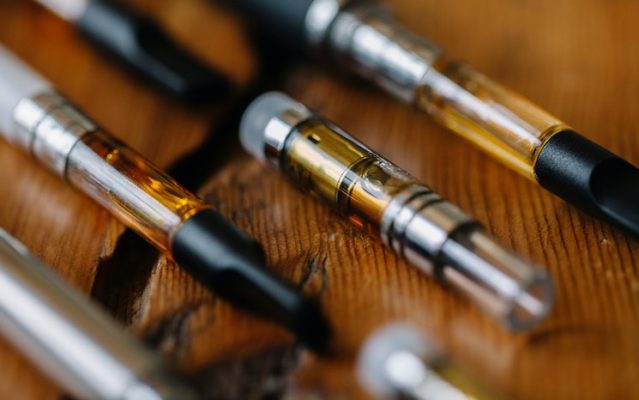
- Live resin vape cartridges made from THCV-rich cultivars, which preserve more of the original terpene profile than distillate
- Distillate blends that combine isolated THCV with other cannabinoids like delta-8 or CBD for a tailored effect
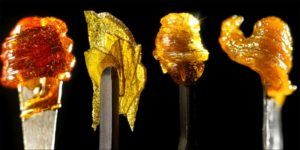
- Hash and rosin pressed from THCV-forward flowers, popular among concentrate enthusiasts for full-spectrum character
- Pre-rolls featuring THCV-rich flower, often marketed as "daytime" or "focus" sticks on dispensary menus
Curious buyers can explore a Quality THC Portal catalogue that lists several of these formats, including bulk and small-quantity options with international shipping claims. Reading the lab results listed on product pages is the single best way to confirm whether the THCV content matches the marketing.
Some brands also produce THCV-rich tinctures and edibles, though these are less common and harder to verify. Local consumers in Adelaide and Hobart who prefer ingestible formats may need to wait for the market to mature further before reliable options appear on shelves.
Access and legal realities across Australia
Australian cannabis law treats THC and THCV the same way from a regulatory standpoint. The TGA allows limited medicinal access through the Special Access Scheme and Authorised Prescriber pathways, but recreational possession remains prohibited across all eight states and territories. Customs officials at international airports in Darwin and Cairns regularly intercept unauthorised imports, and penalties can be serious.
For patients with a valid prescription, products sourced through Australian medicinal channels may include minor cannabinoids such as THCV, depending on the cultivar. For everyone else, the legal route is restricted. The growth of hemp-derived products with trace cannabinoids has created a grey area, but most legal advisers caution against assuming any imported THC-class product is automatically permitted.
Anyone considering THCV for wellness or recreational purposes should consult a clinician familiar with cannabinoid medicine and stay informed about local regulations. The legal landscape continues to shift as research expands, and what is restricted today may be reclassified in the years ahead.
If you are curious about exploring THCV-forward products and want to compare available formats, browse the THCV line for detailed listings, lab data, and ordering information specific to energy-focused cultivars. Start with a low dose to gauge personal response, and prioritise vendors who publish third-party testing rather than relying on strain names alone.