No products in the cart.
QUALITY THC PORTAL - BUY QUALITY THC PRODUCTS ONLINE - FAST DELIVERY
Welcome to Quality THC Portal. We are premium suppliers of Quality THC Products. We supply in bulk and small quantities the following products; Package weed , Pre-rolls , Vape cartridges and Marijuana concentrates. We deliver to most countries around the world and delivery is fast and secured. Our website is well encrypted to product all your information we receive to process your orders and also we have a well setup and stable customer service team who are always available to assist you incase of any difficulty while trying to make purchase on our website. We are certain you shall enjoy our services.
Best Selling Products
Sale!


CARTRIDGES
Sale!

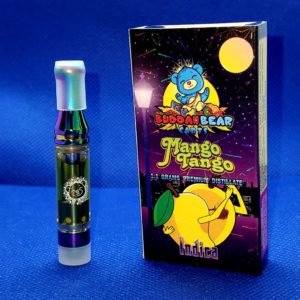
CARTRIDGES
Sale!

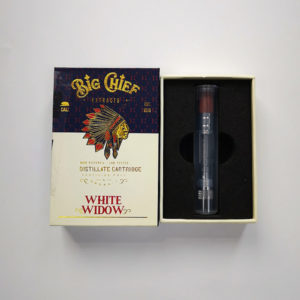
CARTRIDGES
Sale!

CARTRIDGES

HASH
$
70.00
–
$
305.00

CARTRIDGES
$
25.00

CARTRIDGES
$
25.00
Sale!

CARTRIDGES
Browse our categories


our services
free express delivery
When your order is more than $299, you receive FREE express delivery and can look forward to the worlds best medical marijuana and associate products delivered directly to your door
Exquisite Collection
We’re extremely picky about product quality & our collection is constantly being refined & is comprised of the finest buds known to humankind
Top-notch Support
We pride ourselves in providing exceptional support and we’re among the few offering dedicated 24/7 chat support to our valued customers.
THCA and THC: Key Differences in Chemistry and Effects
Cannabis contains a wide range of cannabinoids, but THCA and THC are often confused because they are closely related. THCA is the acidic form found naturally in fresh cannabis, while THC is the compound most associated with the plant’s intoxicating effects. The difference between them begins at the molecular level and becomes especially important when cannabis is heated.
Raw flower, freshly collected plant material, and some extracts can contain substantial amounts of THCA. Smoking, vaping, dabbing, or baking cannabis applies heat that converts part of this cannabinoid into THC through a chemical process called decarboxylation. As a result, the label on a product may show a high THCA percentage even though its effects change considerably after heating.
Understanding this conversion helps consumers interpret cannabis potency labels, compare flower with concentrates, and make more informed decisions about products such as pre-rolls, vape cartridges, live resin, and hash. It also provides useful context for discussions about cannabis testing, product storage, and changing regulations.
What THCA is in the cannabis plant
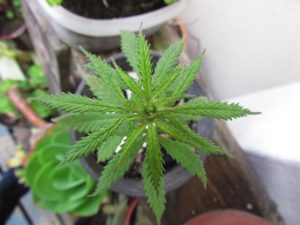
THCA stands for tetrahydrocannabinolic acid. It is produced by the cannabis plant during cannabinoid biosynthesis, when precursor compounds are transformed into acidic cannabinoids. In living or freshly harvested cannabis, THCA is generally more abundant than ready-formed THC.
The molecule contains an additional carboxyl group compared with THC. This small structural difference affects how it interacts with the body’s cannabinoid receptors. THCA has a low affinity for the CB1 receptors in the brain that are strongly associated with THC’s intoxicating effects, so unheated THCA is generally described as non-intoxicating.
That description does not mean THCA is inactive in every biological sense. Early laboratory and preclinical research has examined possible anti-inflammatory, neuroprotective, and anti-nausea properties, but human evidence remains limited. Claims about specific health benefits should therefore be treated cautiously, especially when they come from product marketing rather than well-controlled clinical studies.
The amount of THCA in a plant depends on genetics, maturity, cultivation conditions, curing, and storage. Fresh flower can gradually lose acidic cannabinoids through exposure to heat and time, although the rate of change varies. A product’s test results provide a more reliable indication of its cannabinoid profile than appearance alone.
How heat turns THCA into THC
Decarboxylation is the process that removes THCA’s carboxyl group as carbon dioxide. Heat accelerates this reaction, which is why combustion, vaporization, and cooking can convert THCA into THC. The transformation is not instantaneous or perfectly complete; temperature, time, moisture, airflow, and the product’s physical form all influence the final result.
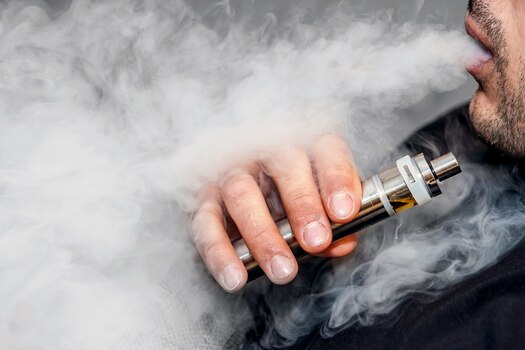
When cannabis is smoked, very high temperatures trigger rapid conversion, although combustion can also destroy some cannabinoids and create irritating byproducts. Vaping generally uses lower temperatures, allowing cannabinoids to vaporize without burning the plant material. However, the precise conversion rate depends on the device, the heating chamber, the formulation, and how long the material is exposed to heat.
Edibles require special attention because raw cannabis added to food may contain mostly THCA. Traditional cannabis cooking usually includes a heating stage before infusion so that the acidic cannabinoid can convert into THC. If that step is incomplete, the finished edible may be less intoxicating than its THCA percentage initially suggests.
Laboratory labels sometimes display both THCA and THC values. A commonly used estimate for potential THC is:
Potential THC = measured THC + (measured THCA × 0.877)
The 0.877 factor accounts for the mass lost when THCA releases carbon dioxide. This calculation is only an estimate because real-world heating rarely converts every molecule efficiently, but it helps explain why a product with modest measured THC can still have considerable potential potency.
THCA and THC compared
THC, usually referring to delta-9-tetrahydrocannabinol, is the principal intoxicating cannabinoid in traditional cannabis. It can produce euphoria, altered time perception, relaxation, increased appetite, and changes in attention or short-term memory. The experience depends on dose, tolerance, personal biology, consumption method, and the presence of other cannabinoids and terpenes.
THCA has a similar chemical backbone but behaves differently before heating. It is associated with raw cannabis and unheated extracts, whereas THC is the dominant form after decarboxylation. Some products marketed as “THCA flower” may therefore produce effects similar to conventional THC flower when smoked or vaped, even if the package emphasizes the acidic cannabinoid.
| Feature | THCA | THC |
|---|---|---|
| Full name | Tetrahydrocannabinolic acid | Delta-9-tetrahydrocannabinol |
| Natural form | Common in fresh, raw cannabis | Present in smaller amounts before heating |
| Intoxicating effect before heating | Generally non-intoxicating | Intoxicating |
| Response to heat | Converts into THC | Can vaporize, degrade, or combust |
| Typical product examples | Raw flower, acidic cannabinoid extracts | Vapes, infused edibles, heated flower, concentrates |
| Main label consideration | Potential THC may be higher than measured THC | Measured THC reflects the active form more directly |
| Research status | Early and developing | More extensively studied, though effects vary widely |
The distinction becomes less clear after consumption. A person who inhales “THCA flower” is usually heating the material enough to create THC. Similarly, a dab of THCA crystalline or a heated THCA concentrate should not be assumed to behave like an entirely non-intoxicating product.
Effects, onset, and duration
The effects of THC depend heavily on the route of administration. Inhaled cannabis typically begins working within minutes, reaches a stronger effect relatively quickly, and often wears off sooner than an edible. Oral THC takes longer to appear because digestion and liver metabolism are involved, but the effects may last considerably longer.
THCA in its raw form is not expected to produce the classic THC high. However, research into its possible physiological activity is still developing, and individual responses to raw cannabinoid products can vary. A product described as “raw,” “unheated,” or “acidic” may also contain some THC because of natural decarboxylation during processing and storage.
THC can cause unwanted reactions, particularly when the dose is too high or the person has little tolerance. Common concerns include anxiety, dizziness, impaired coordination, drowsiness, dry mouth, and temporary problems with concentration or memory. Combining cannabis with alcohol or other sedating substances may intensify impairment.
No one should drive, cycle in traffic, operate machinery, or perform safety-sensitive work after using an intoxicating cannabis product. People who are pregnant, nursing, taking prescription medicines, or managing a mental health condition should speak with a qualified healthcare professional before using cannabinoid products.
Reading product labels and formats
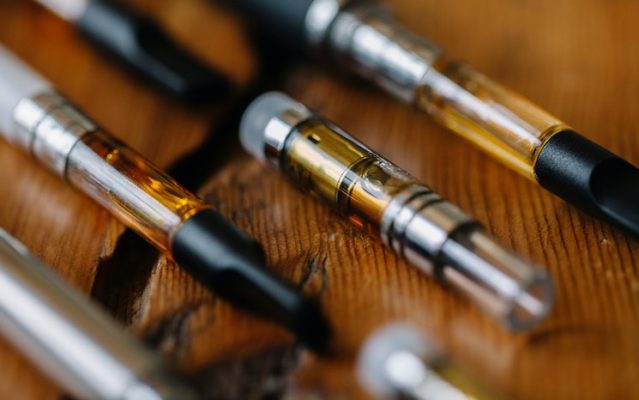
Cannabinoid labels can be confusing because they may list THCA, THC, total cannabinoids, and potential THC in separate lines. Flower labels often report a large THCA number and a smaller THC number, while vape cartridges and distillates generally list a higher proportion of active THC because the oil has been processed and often heated during manufacture.
Concentrates such as live resin, rosin, wax, and crystalline extracts can contain highly concentrated cannabinoids. Their strength makes small differences in dose more noticeable, and a visually small amount may deliver much more THC than a typical portion of flower. Terpene content, extraction method, and storage conditions can also affect flavor and perceived intensity.
Product categories are not always standardized across retailers or jurisdictions. A cartridge labeled “THCA” may contain a formulation intended for heating, while raw flower sold under the same term may be marketed for juicing or other unheated uses. Reviewing the certificate of analysis, extraction details, serving guidance, and testing date is more useful than relying on the product name alone.
A reputable listing should clearly distinguish measured THCA from measured THC and should identify testing for contaminants such as pesticides, heavy metals, residual solvents, mold, and microbial contamination. Consumers comparing THC product options should also check local rules, delivery restrictions, age requirements, and the retailer’s policies before ordering.
Practical ways to compare products
A thoughtful comparison starts with the intended experience and the method of use. Someone seeking a non-intoxicating raw cannabinoid preparation will evaluate a product differently from someone choosing a heated concentrate. The same printed percentage can have different practical meaning depending on whether the product is inhaled, eaten, or kept unheated.
Use these checks when reviewing THCA or THC products:
- Confirm whether the listed percentage refers to THCA, THC, total cannabinoids, or estimated potential THC.
- Check the certificate of analysis and make sure it matches the product batch, format, and testing date.
- Consider the delivery method, since inhaled products act quickly while edibles may take much longer to produce noticeable effects.
- Start with a low amount when using an unfamiliar product, especially a concentrate or edible, and allow enough time before taking more.
- Store products away from heat, light, children, and pets to reduce degradation and accidental exposure.
Storage matters because heat can gradually convert THCA into THC, while light and oxygen may degrade cannabinoids and terpenes. An airtight, opaque container in a cool location is generally preferable to a warm windowsill, a vehicle, or an open package. Avoid storing cannabis products alongside ordinary food where they could be mistaken for non-infused items.
Regulatory language can also change quickly. In some areas, products are categorized according to delta-9 THC concentration before heating; in others, authorities consider total potential THC or impose separate rules for hemp-derived and cannabis-derived products. A label that appears compliant in one location may not meet the requirements of another, so local law should take priority over online descriptions.
THCA and THC are best understood as related stages in the chemistry of cannabis rather than completely unrelated substances. THCA dominates in fresh plant material and generally lacks the familiar intoxicating effect, while heat converts it into THC, the cannabinoid responsible for most classic cannabis intoxication. Checking the form, potency calculation, testing documentation, and intended method of use makes that distinction practical.
Before purchasing, compare verified cannabinoid results and choose products that clearly explain how their THCA and THC levels were measured. Explore the available THC products only where sales and delivery are lawful, and use the label and laboratory report to guide a cautious, informed choice.