No products in the cart.
QUALITY THC PORTAL - BUY QUALITY THC PRODUCTS ONLINE - FAST DELIVERY
Welcome to Quality THC Portal. We are premium suppliers of Quality THC Products. We supply in bulk and small quantities the following products; Package weed , Pre-rolls , Vape cartridges and Marijuana concentrates. We deliver to most countries around the world and delivery is fast and secured. Our website is well encrypted to product all your information we receive to process your orders and also we have a well setup and stable customer service team who are always available to assist you incase of any difficulty while trying to make purchase on our website. We are certain you shall enjoy our services.
Best Selling Products
Sale!


CARTRIDGES
Sale!


CARTRIDGES
Sale!

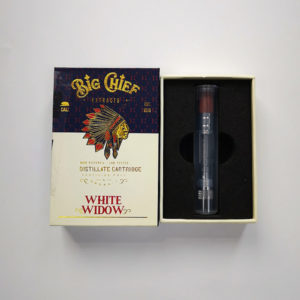
CARTRIDGES
Sale!

CARTRIDGES

HASH
$
70.00
–
$
305.00

CARTRIDGES
$
25.00

CARTRIDGES
$
25.00
Sale!

CARTRIDGES
Browse our categories


our services
free express delivery
When your order is more than $299, you receive FREE express delivery and can look forward to the worlds best medical marijuana and associate products delivered directly to your door
Exquisite Collection
We’re extremely picky about product quality & our collection is constantly being refined & is comprised of the finest buds known to humankind
Top-notch Support
We pride ourselves in providing exceptional support and we’re among the few offering dedicated 24/7 chat support to our valued customers.
Why distillate is the standard oil in vape cartridges
Distillate is a highly refined cannabis extract valued for its potency, consistency and neutral flavour. It is commonly used in vape cartridges because manufacturers can process it into a smooth, predictable oil that works with standard hardware. Unlike flower or less-refined concentrates, distillate usually contains very little of the plant’s original colour, aroma or waxes.
For Australian consumers, understanding the oil inside a cartridge matters as much as knowing the advertised THC percentage. Product names can sound similar while describing very different extraction methods, terpene profiles and levels of refinement. Local rules, import controls and state-based cannabis laws also affect what can be legally purchased, possessed or used.
What distillate actually is
Distillate is a cannabis oil purified through distillation. The process separates cannabinoids from many unwanted plant compounds, allowing processors to collect a concentrated fraction that is rich in THC or, in some cases, CBD. The finished oil is usually amber, pale gold or nearly clear, depending on the feedstock and processing conditions.
The word “distillate” describes the refinement method rather than a single strain. A product labelled as sativa, indica or hybrid may use distillate made from different cannabis cultivars, but those labels do not guarantee a specific chemical effect. The cannabinoid ratio, terpene blend, dose and individual response are more useful details.
Distillate is often thick at room temperature. It may need gentle warming before filling, although consumers should never overheat a cartridge or use an unsuitable battery. Excessive heat can damage terpenes, affect the coil and create an unpleasant vapour.
How the oil is refined
Production generally begins with cannabis biomass that has been dried and prepared for extraction. Solvents such as ethanol or hydrocarbons may be used to remove cannabinoids from the plant material. The resulting crude oil contains THC, CBD, terpenes, chlorophyll, fats, waxes and other compounds.
The crude extract is then winterised, filtered and refined. Winterisation helps remove waxes and lipids, while filtration reduces unwanted solids. Decarboxylation converts acidic cannabinoids such as THCA into active THC through controlled heat. A distillation stage then uses differences in boiling points to separate and concentrate selected compounds.
This is why distillate can look and taste very different from the original flower. Much of the plant’s natural aroma is removed during purification. Producers may add cannabis-derived or botanical terpenes afterwards to create a particular flavour, viscosity or product profile.
Why cartridges suit distillate
Vape cartridges need oil with a predictable texture. If an extract contains too many waxes, fats or plant particles, it may clog the airway, flood the coil or produce inconsistent vapour. Distillate’s refined structure makes it easier to fill into cartridges and pair with common 510-thread batteries.
Consistency is another major reason for its popularity. A batch can be formulated to reach a target cannabinoid concentration, making production and labelling simpler. For manufacturers, this supports repeatable filling, packaging and quality control across different cartridge sizes.
Distillate also has a relatively neutral base flavour. That gives brands flexibility to create fruit, dessert, mint or strain-inspired profiles by adding terpenes. For consumers who want a discreet and compact product, a cartridge can be less aromatic than smoking cannabis flower, although vaping still releases a noticeable scent in some settings.
The format is convenient in cities such as Sydney, Melbourne and Brisbane, where people may prefer a small device over carrying flower or a larger concentrate container. Convenience should not be confused with low risk, however. The effects can arrive quickly, and high-potency oil can make accidental overconsumption easier.
What is inside a distillate cartridge
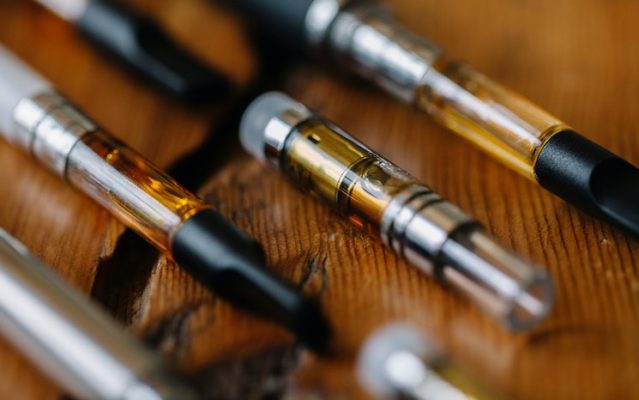
The central ingredient is usually THC distillate, but the cartridge may contain other components. Terpenes are added to influence flavour and aroma, while some products use a blend of THC and CBD. Hardware includes a reservoir, wick or ceramic heating element, mouthpiece and battery connection.
A transparent ingredient list is important. Vague phrases such as “premium oil” or “full-spectrum style” do not explain whether the cartridge contains distillate, live resin, a terpene blend or thinning agents. Reputable products should provide batch information, potency testing and clear storage instructions where local regulations allow.
Useful details to check include:
- Cannabinoid content, including THC and CBD amounts
- The source and type of added terpenes
- Laboratory testing for contaminants and residual solvents
- Cartridge capacity and compatible battery voltage
- Batch number, production date and expiry guidance
Some illicit or poorly made cartridges have been found to contain unsuitable thinning oils, heavy metals from hardware or residual solvents. Hardware quality matters because the heating element and materials can affect what is inhaled. A professional appearance is not proof of safety, so independent testing and traceable production are more meaningful indicators.
Distillate compared with other cannabis extracts
Distillate is designed for purity and consistency, while other concentrates aim to retain more of the plant’s original character. Live resin is made from freshly harvested cannabis that is frozen soon after cutting, helping preserve volatile terpenes. It generally offers a stronger aroma and a more complex flavour than plain distillate.
Full-spectrum oils attempt to retain a broader range of cannabinoids and terpenes. Rosin is produced without chemical solvents, using heat and pressure to release resin from flower or hash. These extracts can feel more distinctive, but they may be thicker, less uniform and more demanding to formulate for cartridge hardware.
A cartridge made with distillate may deliver a straightforward THC experience, while live resin or rosin can offer a richer sensory profile. Neither category is automatically better for every person. The choice depends on preferences, tolerance, desired flavour, price and access to reliable testing.
For Australian buyers comparing products online, marketing terms should be read carefully. “High potency” describes concentration, not quality, and “natural terpenes” does not necessarily mean the oil is full-spectrum. A product can be potent yet poorly formulated, or modest in potency but better documented.
How to judge cartridge quality
Quality assessment starts with traceability. Look for a manufacturer or seller that identifies the product type, cannabinoid content, batch details and testing standards. A certificate of analysis can help confirm potency and screen for pesticides, mould, heavy metals and residual solvents.
The oil should generally appear uniform, without unexplained particles, excessive cloudiness or separation. Colour alone is not a reliable quality test because distillate can range from very pale gold to darker amber. A harsh taste, burnt smell or unusually thin oil may indicate poor formulation, damaged hardware or overheating.
Responsible use also involves the battery. A variable-voltage device set too high can burn the oil and shorten coil life. Start with the lowest compatible setting, take a small inhalation and allow time to assess the effect before using more. Never share a mouthpiece, and keep cartridges away from children and pets.
Online trust signals deserve attention too. Encrypted payment language, responsive customer support and clear policies are useful, but they should not replace product testing. The same basic habit applies when assessing any online service: independent information, such as a detailed casino review, can illustrate why claims should be checked against specific evidence rather than accepted at face value.
Australian laws, customs and practical use
Cannabis laws in Australia vary between federal and state or territory systems. Medicinal cannabis may be accessed through an authorised prescriber, while recreational possession and use remain restricted in most jurisdictions. Rules can differ between New South Wales, Victoria, Queensland, Western Australia and the Australian Capital Territory, so a product being advertised online does not mean it is lawful to order or possess.
Border controls are especially important. Australian Border Force and the Therapeutic Goods Administration regulate the importation of medicines and controlled substances, and cannabis products may be seized if they do not meet the relevant requirements. International delivery claims do not override Australian customs rules. Buyers should confirm the law that applies to their state, residence and intended use before placing an order.
Climate and storage also matter. A cartridge left in a hot car in Perth, Adelaide or regional Queensland can become thinner, leak or damage its seals. Store it upright in a cool, dark place, away from direct sun. In colder conditions, the oil may thicken; warming it naturally in the hand is safer than applying a flame or strong external heat.
Australia’s regulated medicinal market places emphasis on prescriptions, authorised supply chains and product documentation. That makes labelling, testing and legal provenance particularly important. A small cartridge may look simple, but it combines a concentrated substance with an electronic heating device and should be treated accordingly.
Common signs of a poorly made cartridge
- No batch number, laboratory report or identifiable manufacturer
- Unusually low pricing paired with very high THC claims
- Oil that leaks, separates or contains visible particles
- Packaging with spelling errors, missing warnings or no ingredient information
- A burnt, chemical or metallic flavour from the first few draws
A trustworthy purchasing decision should also consider the seller’s communication and after-sales handling. Clear answers about ingredients, hardware compatibility and testing are stronger signals than flashy strain names. If support cannot explain what is inside the oil, caution is appropriate.
Distillate remains the most common vape cartridge oil because it solves several manufacturing problems at once. It is concentrated, easy to standardise, relatively stable and adaptable to different terpene profiles. Those qualities make it practical for both large-scale production and compact consumer devices.
Its popularity does not mean every distillate cartridge is identical. Purification methods, source material, terpene choices, hardware and testing can produce significant differences. Australian consumers should combine an understanding of the extract with careful attention to local law, product evidence and safe storage.
Before using any cannabis vape product, verify its legal status, review its testing information and choose compatible hardware from a traceable source. For further information about distillate, live resin, cartridge ingredients and responsible handling, explore the educational resources and support available through Quality THC Portal.