No products in the cart.
QUALITY THC PORTAL - BUY QUALITY THC PRODUCTS ONLINE - FAST DELIVERY
Welcome to Quality THC Portal. We are premium suppliers of Quality THC Products. We supply in bulk and small quantities the following products; Package weed , Pre-rolls , Vape cartridges and Marijuana concentrates. We deliver to most countries around the world and delivery is fast and secured. Our website is well encrypted to product all your information we receive to process your orders and also we have a well setup and stable customer service team who are always available to assist you incase of any difficulty while trying to make purchase on our website. We are certain you shall enjoy our services.
Best Selling Products
Sale!


CARTRIDGES
Sale!

CARTRIDGES
Sale!

CARTRIDGES
Sale!

CARTRIDGES

HASH
$
70.00
–
$
305.00

CARTRIDGES
$
25.00

CARTRIDGES
$
25.00
Sale!

CARTRIDGES
Browse our categories


our services
free express delivery
When your order is more than $299, you receive FREE express delivery and can look forward to the worlds best medical marijuana and associate products delivered directly to your door
Exquisite Collection
We’re extremely picky about product quality & our collection is constantly being refined & is comprised of the finest buds known to humankind
Top-notch Support
We pride ourselves in providing exceptional support and we’re among the few offering dedicated 24/7 chat support to our valued customers.
What Is CBC and Why It Appears in Some Cannabis Extracts
Cannabichromene, usually shortened to CBC, is one of the lesser-known cannabinoids found in cannabis. It does not receive the same attention as THC or CBD, yet it can contribute to the chemical profile of a flower, resin, oil, or broad-spectrum extract. CBC is generally non-intoxicating, meaning it does not produce the strong euphoric effect associated with delta-9 THC.
CBC appears in some cannabis extracts because cannabis plants naturally produce several cannabinoids at once. The final concentration depends on the plant’s genetics, growing conditions, harvest timing, storage, and extraction method. For Australian readers, understanding this distinction is particularly important because product names and marketing language do not replace laboratory testing or compliance with local law.
How CBC Develops In The Cannabis Plant
Cannabis does not produce every cannabinoid in its final form from the beginning. Young plants first create acidic precursor compounds, including cannabichromenic acid, or CBCA. Through natural ageing, drying, heating, or processing, CBCA can convert into CBC. This process is known as decarboxylation, and it also helps explain how other acidic cannabinoids change during preparation.
CBC is usually present in smaller quantities than THC or CBD. Some cannabis cultivars are bred to express more CBC, while others contain only trace amounts. A product labelled as a CBC-rich extract should therefore include a certificate of analysis showing the cannabinoid profile, rather than relying solely on a strain name or a colourful package description.
The cannabinoid profile can shift during extraction. A carefully controlled process may preserve a wider range of minor cannabinoids, while intensive refinement may isolate one compound and remove much of the original plant chemistry. This is why two oils made from similar-looking material can have very different percentages of CBC, CBD, THC, terpenes, and other constituents.
What CBC May Add To An Extract
Research into CBC is still developing, and evidence from human clinical studies remains limited. Early laboratory and preclinical research has examined possible relationships between CBC and inflammatory pathways, pain signalling, mood-related systems, and skin processes. These findings are useful for scientific investigation, but they do not establish that a commercial CBC product will treat a medical condition.
CBC is also non-intoxicating in the usual sense. A person is unlikely to experience the pronounced high associated with THC from CBC alone. However, an extract containing CBC may also contain THC, CBD, terpenes, residual plant compounds, or other cannabinoids. The overall effect depends on the complete formula, the amount used, individual sensitivity, and whether the product is inhaled, swallowed, or applied to the skin.
Some producers describe a combination of cannabinoids and terpenes as an “entourage” profile. The idea is that several cannabis constituents may influence the character of an extract together, although the extent and clinical importance of this interaction are still being studied. CBC can therefore be valuable as part of a tested full-spectrum or broad-spectrum profile without needing to be treated as a standalone miracle ingredient.
Why CBC Is Found In Oils, Resin, And Vapes
Extraction preserves different parts of the plant depending on the equipment, temperature, solvent, and level of refinement. Full-spectrum oils generally aim to retain a broader set of naturally occurring cannabinoids and aromatic compounds. Broad-spectrum products may keep several cannabinoids while removing most or all THC, although the exact definition can vary between manufacturers.
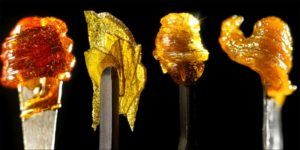
Live resin and related concentrates are made from fresh or recently harvested cannabis that is frozen to help preserve volatile compounds. They may retain a more expressive terpene profile than extracts made from fully dried material. Readers interested in how processing affects aroma and flavour can explore these live resin cartridges, while remembering that taste does not prove potency, purity, or legality.
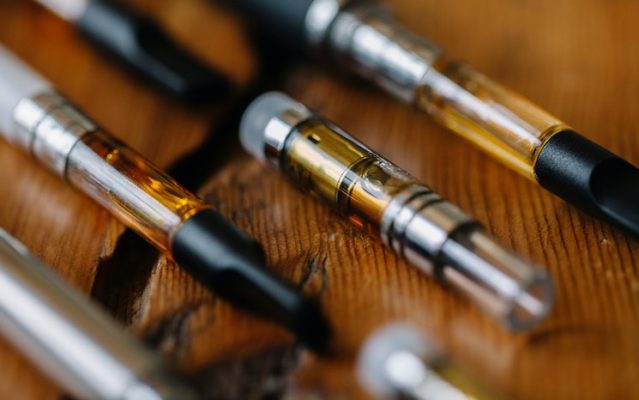
CBC can appear in vape cartridges when the source material naturally contains it and the extraction process retains minor cannabinoids. A cartridge may also be formulated after extraction, with isolated cannabinoids blended into a carrier oil or distillate. Checking the ingredients, batch number, cannabinoid percentages, and independent testing information is more reliable than assuming that every “whole plant” or “premium” label contains meaningful CBC.
Product Features Worth Checking
- A full cannabinoid panel showing CBC, CBD, THC, and acidic forms where relevant
- A recent certificate of analysis linked to the specific batch
- Testing for pesticides, heavy metals, mould, residual solvents, and contaminants
- Clear information about carrier ingredients and added terpenes
- Storage guidance, manufacturing details, and a traceable producer
CBC Compared With Better-Known Cannabinoids
CBD and CBC are both commonly described as non-intoxicating cannabinoids, but they are chemically distinct. CBD has been studied more extensively and is used in regulated medicinal cannabis products in Australia. CBC remains less familiar, and research into its effects, metabolism, and ideal formulations is at an earlier stage. Neither label alone tells a consumer how a product will feel or whether it is suitable for a particular purpose.
THC is different because it is intoxicating and can impair attention, reaction time, coordination, and judgement. Even a product promoted for CBC or CBD may contain enough THC to matter for driving, workplace testing, side effects, or legal compliance. A broad cannabinoid label should never be interpreted as meaning “THC-free” unless the product has been properly tested and the result is clearly stated.
CBG is another minor cannabinoid sometimes found beside CBC in modern extracts. Terpenes such as myrcene, limonene, pinene, and caryophyllene can also shape the aroma and perceived character of a preparation. Comparing a product by its entire certificate of analysis is more meaningful than choosing it by one fashionable compound.
For Australian consumers in Sydney, Melbourne, Brisbane, Perth, or Adelaide, the legal status of the product matters as much as the chemistry. Recreational cannabis remains prohibited under Australian federal law, while medicinal cannabis access is regulated through the Therapeutic Goods Administration and authorised prescribing pathways. The Australian Capital Territory has limited personal-use provisions, but these do not create a general legal retail market or override federal restrictions.
Reading Labels And Using Reliable Information
A label that lists CBC in milligrams or as a percentage can help, but the number needs context. Concentration may be stated per cartridge, per millilitre, per gram, or per serving, and these measurements are not interchangeable. A product with a modest CBC percentage may still contain substantial THC, while a highly refined formula may list a single cannabinoid but provide little information about contaminants or manufacturing controls.
Consumers should be cautious with products sold through informal social media accounts, overseas websites, or unverified marketplaces. Australia’s border controls can intercept imported cannabis products, and an online order is not automatically lawful because the seller advertises international shipping. Prescription medicines, medicinal cannabis, and therapeutic goods can involve separate rules relating to importation, possession, advertising, and supply.
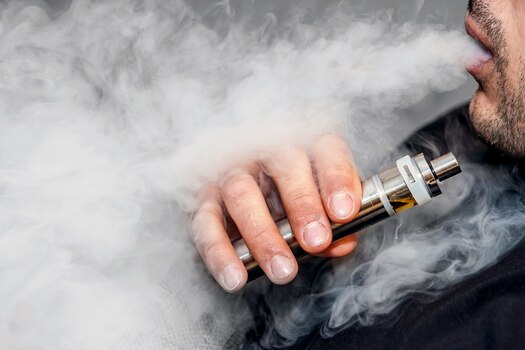
The same caution applies to vaping. Heating oils or concentrates can create risks when the formulation is unsuitable for inhalation, the hardware is poor quality, or the liquid contains undeclared additives. Vitamin E acetate has been associated with serious vaping-related lung injury in other markets, and consumers should avoid cartridges with unclear ingredients or no credible testing. A reputable information source, such as the Quality THC Portal, may help explain product categories, but its descriptions should be considered alongside Australian health and regulatory guidance.
Practical Checks Before Considering A CBC Product
- Confirm whether the product is intended for medicinal, cosmetic, or non-consumable use
- Check the amount of THC, not just the advertised CBC content
- Look for Australian prescribing and supply information when medicinal use is involved
- Avoid driving, cycling, or operating machinery after using any THC-containing product
- Speak with a doctor or pharmacist about interactions with medicines and existing conditions
CBC may be interesting precisely because it is a minor cannabinoid rather than a dominant one. Its presence can indicate that an extract has retained more of the plant’s original chemistry, although it can also be added during formulation. The only dependable way to understand its significance is to examine the full ingredient list, verified testing, extraction method, and intended route of administration together.
Australian buyers should also remember that cannabis rules vary in practical application across states and territories, but none of the local differences turn an unverified online product into a safe or authorised medicine. Medicinal cannabis is generally accessed through a medical practitioner, and THC can remain relevant to roadside drug testing even when use is medically authorised. Local habits such as commuting by car in outer Melbourne, riding public transport in Sydney, or working in safety-sensitive industries make impairment awareness especially important.
CBC is best understood as one component of a complex cannabis extract. It may contribute to the profile of oils, live resin, flower-derived concentrates, and vape formulations, but current evidence does not justify broad therapeutic promises. Clear testing, accurate labelling, appropriate medical advice, and respect for Australian law are essential when evaluating any cannabinoid product.
Use CBC information as a starting point for careful research, not as a substitute for professional guidance. Review the laboratory report, verify the legal pathway in your state or territory, and consult a qualified Australian health professional before using a cannabinoid product for a medical purpose.