No products in the cart.
QUALITY THC PORTAL - BUY QUALITY THC PRODUCTS ONLINE - FAST DELIVERY
Welcome to Quality THC Portal. We are premium suppliers of Quality THC Products. We supply in bulk and small quantities the following products; Package weed , Pre-rolls , Vape cartridges and Marijuana concentrates. We deliver to most countries around the world and delivery is fast and secured. Our website is well encrypted to product all your information we receive to process your orders and also we have a well setup and stable customer service team who are always available to assist you incase of any difficulty while trying to make purchase on our website. We are certain you shall enjoy our services.
Best Selling Products
Sale!


CARTRIDGES
Sale!


CARTRIDGES
Sale!

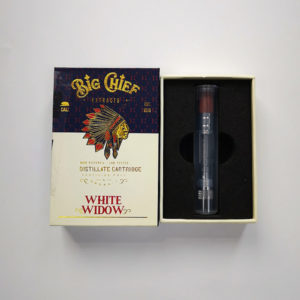
CARTRIDGES
Sale!

CARTRIDGES

HASH
$
70.00
–
$
305.00

CARTRIDGES
$
25.00

CARTRIDGES
$
25.00
Sale!

CARTRIDGES
Browse our categories


our services
free express delivery
When your order is more than $299, you receive FREE express delivery and can look forward to the worlds best medical marijuana and associate products delivered directly to your door
Exquisite Collection
We’re extremely picky about product quality & our collection is constantly being refined & is comprised of the finest buds known to humankind
Top-notch Support
We pride ourselves in providing exceptional support and we’re among the few offering dedicated 24/7 chat support to our valued customers.
Why Live Resin Cartridges Cost More Than Standard Vapes
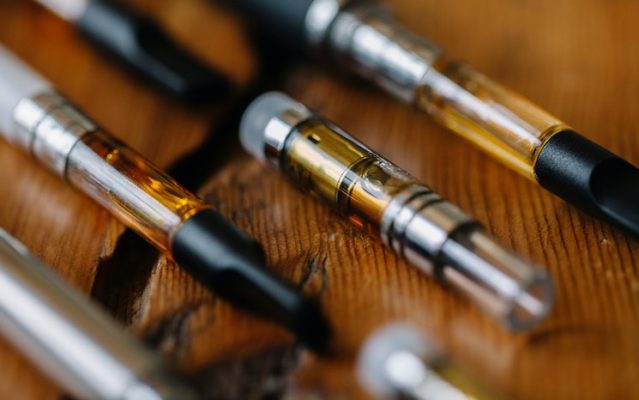
A live resin cartridge contains cannabis extract made from plants that are frozen soon after harvest rather than dried and cured first. This production choice helps preserve volatile terpenes and other aromatic compounds that can change or disappear during traditional processing. The result is a vape product known for a fresh plant character, layered aroma, and a flavor profile that often feels closer to flower than highly refined oil.
The higher price is connected to the way live resin is produced, stored, tested, and filled. Fresh cannabis must be handled quickly, kept frozen, and processed with specialized equipment. Extractors also work with a material that can produce less final oil than some high-volume alternatives, while the finished cartridge usually requires additional quality control.
For shoppers, cost alone does not prove quality. A well-made live resin vape should have clear product information, reliable testing, suitable hardware, and storage instructions. Understanding the differences between live resin, distillate, live rosin, and other cannabis concentrates makes it easier to judge whether the added expense is justified.
Fresh-Frozen Cannabis And Preserved Terpenes
Most cannabis flower is dried and cured before it is sold or extracted. During those stages, moisture is reduced and the plant develops a more familiar cured aroma. Some delicate terpenes can evaporate or transform during drying, especially when the flower is exposed to heat, oxygen, light, or improper humidity.
Live resin begins with freshly harvested cannabis that is rapidly frozen, often through a process sometimes called flash freezing. The low temperature slows chemical changes and helps preserve aromatic compounds in their earlier state. After freezing, the plant material remains frozen through transportation and extraction until it reaches a controlled processing environment.
This does not mean a live resin cartridge contains the entire plant in an unchanged form. It is still a concentrated extract that may be filtered, refined, blended, and formulated for a vape device. However, the starting material and handling process can produce a more expressive terpene profile than many conventional vape oils.
The aroma may include notes of pine, citrus, fruit, earth, spice, or fuel, depending on the cultivar and extraction method. These sensory traits are often central to the appeal of live resin, particularly for consumers who value flavor and cultivar character as much as cannabinoid concentration.
How Live Resin Becomes A Vape Cartridge
After harvest and freezing, the cannabis is processed using a solvent-based extraction method. Hydrocarbons such as butane or propane are commonly associated with live resin production because they can capture cannabinoids and terpenes at low temperatures. The extract is then purged and tested to remove residual solvent and confirm that it meets the applicable safety standards.
The resulting concentrate may be thick, aromatic, and difficult to use in a standard cartridge without further preparation. Manufacturers often adjust its viscosity with carefully selected cannabis-derived terpenes or other compatible ingredients. The formulation must be fluid enough to move through the cartridge coil while preserving flavor and avoiding unnecessary additives.
Hardware matters just as much as oil quality. A ceramic heating element may provide a different experience from a traditional wick-based design, while airflow, battery voltage, chamber size, and temperature control can affect vapor production. A poorly matched cartridge can burn the extract, leak, clog, or mute its terpene character.
A reputable product page should identify the extract type, cannabinoid content, ingredient list, batch information, and laboratory testing where required. Consumers exploring live resin products should also check whether the seller explains storage, shipping, and compliance details clearly before placing an order.
Why The Production Process Raises The Price
The first major cost factor is speed. Fresh cannabis cannot simply wait in a warehouse until an extraction date becomes convenient. It must be harvested, frozen, packed, and transported under appropriate conditions. Freezer space, insulated packaging, energy use, and temperature monitoring add expenses that do not apply in the same way to dried flower or shelf-stable distillate inputs.
Yield also affects the final price. Live resin processing can produce less usable oil than extraction from fully dried material, depending on the cultivar, moisture level, extraction conditions, and desired consistency. A processor must account for the amount of plant material required to fill each cartridge, along with losses during filtration, winterization, testing, and filling.
Specialized labor and equipment add another layer. Extraction technicians must manage low temperatures, pressurized systems, solvent recovery, post-processing, and contamination controls. Facilities need ventilation, fire-safety systems, cleaning protocols, and trained staff. These operating requirements are reflected in the cost of a compliant finished product.
Testing and packaging are also part of the price. A regulated vape may require screening for potency, pesticides, heavy metals, microbial contamination, residual solvents, and other contaminants. The cartridge, mouthpiece, battery compatibility, tamper-evident seal, label, and child-resistant packaging all contribute to the retail figure.
A comparison makes the cost differences easier to understand:
| Product type | Starting material | Typical profile | Processing focus | Why the price differs |
|---|---|---|---|---|
| Distillate cartridge | Often dried or previously extracted cannabis | High cannabinoid purity with lighter flavor | Extensive refinement and isolation | Efficient production can reduce cost, though added terpenes may be used |
| Live resin cartridge | Fresh-frozen cannabis | Stronger natural aroma and cultivar character | Low-temperature extraction and terpene preservation | Freezing, cold-chain handling, lower yield, and specialized processing raise costs |
| Live rosin cartridge | Fresh-frozen or cured material | Rich, solventless flavor and texture | Ice-water separation and heat-and-pressure pressing | Labor-intensive solventless production often commands a premium |
| CO₂ oil cartridge | Usually dried cannabis or existing concentrate | Variable flavor and consistency | Pressurized carbon dioxide extraction | Equipment and refinement affect price, while profiles vary widely |
| Cannabis distillate syringe | Refined cannabis oil | Neutral flavor and high potency | Distillation and purification | Large-scale processing can make it comparatively affordable |
Live Resin Compared With Other Vape Oils
Distillate is usually the most direct comparison. It is refined to remove many compounds besides the targeted cannabinoids, creating a relatively clean and consistent oil. Terpenes may be added later for flavor or to imitate a particular cultivar. Distillate can offer high potency and a lower price, but its flavor may feel simpler or less plant-like than a well-made live resin extract.
Live rosin is different because it is generally produced without hydrocarbon solvents. Ice-water separation creates a concentrated resin, which is then pressed with heat and pressure. This solventless method can preserve an appealing aromatic profile, but it often requires more manual work and can deliver an even higher price. Live resin and live rosin are related in their use of fresh-frozen material, yet they are not interchangeable terms.
CO₂ oil occupies a broad category. Some CO₂ extracts preserve substantial terpene content, while others undergo additional refinement that produces a more neutral oil. The extraction label alone does not reveal the entire consumer experience. Batch testing, formulation, hardware, and storage all influence the final result.
A higher price may be reasonable when the product offers a distinctive terpene profile, dependable testing, fresh batch information, and hardware designed for thick extract. However, buyers should be cautious of vague claims such as “premium,” “pure,” or “full spectrum” when no supporting details are provided. Clear documentation is more useful than decorative packaging or unusually high potency numbers.
What To Inspect Before Buying
Start with the ingredient list. A simple formulation that identifies cannabis extract and appropriate terpene ingredients is easier to evaluate than a product with unexplained thinning agents or flavor additives. The label should also distinguish live resin from distillate blended with terpenes, since those products can be marketed in ways that sound similar.
Look for a certificate of analysis, batch number, production date, and expiration or recommended-use date where applicable. Testing should address more than cannabinoid potency. Residual solvents, pesticides, heavy metals, microbial contaminants, and unsafe hardware materials are important considerations for inhaled products.
Cartridge construction deserves attention as well. Ceramic or other reputable heating components may provide consistent vaporization, but no hardware is automatically perfect. A cartridge should be sealed properly, fit its compatible battery, and include enough information to prevent users from applying excessive voltage or heat.
Storage can change the experience after purchase. Light, warmth, and prolonged exposure to air can affect terpenes and oil consistency. Keeping the cartridge sealed, upright, and away from direct heat helps protect its quality. Buyers should follow the product’s specific storage guidance and keep cannabis products away from children and pets.
Legal status and delivery rules vary by location. Cannabis products may be restricted, require age verification, or be prohibited across certain borders. Consumers should review the laws that apply to their residence and avoid relying on broad shipping claims as a substitute for local requirements.
A Practical Buying Checklist
Price is best evaluated against the full product picture rather than against potency alone. Two cartridges with similar THC percentages may differ considerably in starting material, terpene preservation, test coverage, hardware quality, and freshness. A cheaper option may be suitable for someone who prioritizes efficiency, while a more expensive live resin cartridge may appeal to someone who values aroma and cultivar-specific character.
The following checks can help separate meaningful value from premium marketing:
- Confirm that the label specifically identifies live resin rather than generic cannabis oil or terpene-infused distillate.
- Review the ingredient list, batch details, laboratory results, and available production information.
- Check the cartridge design, battery compatibility, seal quality, and recommended voltage range.
- Compare terpene content and flavor descriptions without treating a higher percentage as an automatic quality guarantee.
- Verify age, possession, purchase, and delivery rules in the place where the product will be received.
A credible seller should make these details accessible before payment and provide a clear way to contact support. Customer service cannot replace laboratory testing, but prompt answers about ingredients, batches, storage, and order handling can signal that the retailer takes product information seriously.
Live resin costs more because it begins with a time-sensitive raw material and requires careful cold-chain management, specialized extraction, controlled formulation, and dependable packaging. The price reflects real production expenses, though it does not guarantee that every expensive cartridge will be excellent. Evaluating the extract, testing, hardware, freshness, and seller transparency gives the price proper context.
When the flavor and aroma of fresh cannabis matter to you, compare verified live resin cartridges and review their product details before ordering. Choose a compliant source, follow local laws, use only compatible hardware, and treat clear testing information as a basic requirement rather than an optional extra.