No products in the cart.
QUALITY THC PORTAL - BUY QUALITY THC PRODUCTS ONLINE - FAST DELIVERY
Welcome to Quality THC Portal. We are premium suppliers of Quality THC Products. We supply in bulk and small quantities the following products; Package weed , Pre-rolls , Vape cartridges and Marijuana concentrates. We deliver to most countries around the world and delivery is fast and secured. Our website is well encrypted to product all your information we receive to process your orders and also we have a well setup and stable customer service team who are always available to assist you incase of any difficulty while trying to make purchase on our website. We are certain you shall enjoy our services.
Best Selling Products
Sale!


CARTRIDGES
Sale!


CARTRIDGES
Sale!

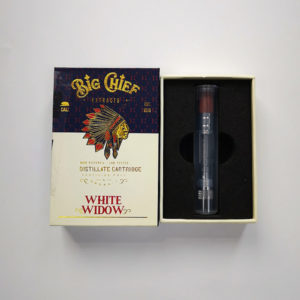
CARTRIDGES
Sale!

CARTRIDGES

HASH
$
70.00
–
$
305.00

CARTRIDGES
$
25.00

CARTRIDGES
$
25.00
Sale!

CARTRIDGES
Browse our categories


our services
free express delivery
When your order is more than $299, you receive FREE express delivery and can look forward to the worlds best medical marijuana and associate products delivered directly to your door
Exquisite Collection
We’re extremely picky about product quality & our collection is constantly being refined & is comprised of the finest buds known to humankind
Top-notch Support
We pride ourselves in providing exceptional support and we’re among the few offering dedicated 24/7 chat support to our valued customers.
What Is a CCELL Cartridge and Why It Became the Vape Standard
Walk into any reputable vape shop from Melbourne to Perth and you will likely see the same hardware stamped across half the shelves. CCELL cartridges have quietly built a reputation as the cartridge of choice for both oil producers and consumers, and that dominance is rarely accidental. The brand's parent company, Smoore International, helped popularise ceramic heating elements long before most competitors caught on, and that head start turned into a global standard.
For Australian buyers in particular, hardware reliability matters for reasons beyond simple preference. Strict state-by-state rules around possession, the Therapeutic Goods Administration's framework for medicinal products, and the realities of cross-border shipping all push customers toward dependable, leak-resistant gear. A cartridge that floods, clogs, or burns out on day two is more than a nuisance when replacements are days away. CCELL's design philosophy tackles each of those pain points head-on.
The technology inside a CCELL cartridge is not magic, but it is thoughtfully engineered. A porous ceramic core replaces the cotton wicks found in older designs, wicking oil through tiny channels while distributing heat evenly across the coil surface. The result is a smoother draw, fuller flavour, and a longer usable lifespan, which is why so many extract producers choose CCELL hardware for their flagship lines.
This article walks through the origins of the technology, explains why ceramic heating made such a difference, and breaks down what Australian buyers should look for when picking a CCELL-compatible cartridge. By the end, the reasoning behind the brand's hold on the market should feel less like marketing and more like common sense.
The origins of the CCELL name and hardware
CCELL is a brand owned by Smoore International, a Chinese manufacturing group that began building atomisers for electronic cigarettes in the late 2000s. The parent company noticed early on that oil viscosity, flavour purity, and hardware longevity were three pain points that wick-based coils simply could not solve. Smoore's engineers began experimenting with ceramic as both the wicking medium and the heating surface, and the resulting product was branded CCELL.
The first generation of ceramic cartridges launched around 2016, and adoption was surprisingly quick. Extract artists in California, Colorado, and British Columbia gravitated toward the cleaner flavour profile, and within a few years CCELL had become shorthand for quality in the concentrate space. That reputation travelled across the Pacific, and Australian distributors began listing CCELL hardware as a premium option long before cheaper ceramic clones arrived on the local market.
What separates the genuine article from a knock-off is harder to spot with the naked eye, which is part of why the brand invests heavily in distributor relationships. Authentic CCELL cartridges ship with serial codes, batch tracking, and a uniform finish that counterfeits struggle to replicate. For Australian buyers ordering through international channels, those verification details matter when customs holds a package for inspection.
How ceramic heating changed the vaping experience
Traditional vape cartridges rely on a cotton or silica wick to draw oil into a metal coil. The metal heats up quickly, which sounds efficient, but the contact area is tiny and uneven. Hot spots form, oil scorches against bare metal, and the resulting vapour picks up a faintly burnt taste. Anyone who has chain-vaped an older cartridge remembers the dry, acrid note that creeps in toward the end of a session.
CCELL's ceramic core flips that design. The oil passes through millions of microscopic pores in a single block of ceramic, and the heating element is embedded directly into that block. Heat spreads across the entire surface, raising the temperature evenly rather than cooking a single point. The oil vaporises gently, preserving the original terpene profile of the extract instead of burning it off.
That even heating pays off in three ways Australian vapers tend to notice immediately. First, flavour stays consistent from the first draw to the last drop of oil. Second, the cartridge is far less likely to leak, because the wicking action is regulated by the ceramic's natural capillary structure rather than gravity alone. Third, the coil rarely clogs, even with thicker live resin and rosin formulations that overwhelm wick-based hardware.
There is also a longevity argument. Ceramic cores tolerate higher temperatures without degrading, and they resist the carbon build-up that ruins metal coils. A well-kept CCELL cartridge can easily outlast two or three cycles of standard wick hardware, which reduces cost over time and cuts down on the plastic waste generated by constantly replacing cartridges.
Why CCELL has become the default for Australian extracts
Australia's medicinal cannabis framework, administered through the TGA and state health authorities, places a heavy emphasis on product consistency. Patients and prescribers want dosing they can predict, and that predictability depends heavily on the hardware. CCELL's controlled resistance ratings, typically landing between 1.2 and 1.4 ohms, give producers a reliable platform for dosing their oils accurately.
The legal recreational market is smaller and quieter, but recreational buyers in Brisbane, Sydney, and Adelaide have grown equally fond of the hardware. Dispensaries that ship domestically tend to stock CCELL-compatible products because the brand's leak resistance survives long-haul courier handling. A cartridge that arrives in Sydney without a drop of oil in the packaging tray is a small but meaningful win for any seller.
Australian customs also play a role in shaping preferences. Packages containing vape hardware can be inspected, and cartridges with questionable seals occasionally raise flags. Authentic CCELL units arrive in tamper-evident packaging with consistent threading, which streamlines customs review and lowers the odds of a seizure. Buyers who travel between states where possession rules differ, such as crossing from Victoria into New South Wales, also appreciate gear that holds up to being tossed in a bag.
Comparing CCELL with other ceramic and wick designs
Not every ceramic cartridge on the market is built to the same standard, and not every wick design is a write-off. Understanding the differences helps Australian buyers decide what fits their setup. The points below outline the most common comparisons:
- Genuine CCELL units use a single-piece porous ceramic body, while many clones use a ceramic insert wrapped around a metal coil. The insert style still avoids burnt wick but produces less consistent flavour.
- CCELL's standard resistance sits around 1.2 to 1.4 ohms. Wick-based cartridges often run lower, between 1.0 and 1.8 ohms, which can shorten battery life on smaller pen-style mods.
- Authentic CCELL hardware includes a steel centre post and food-grade silicone seals. Cheaper ceramic alternatives sometimes substitute plastic posts that can leach under heat.
- Leak testing is part of Smoore's quality control, and verified CCELL cartridges pass a pressure threshold most clones never meet. For long shipments or warm climates, that margin matters.
Quartz-based cartridges occupy a middle ground in the market. They heat quickly and preserve bright terpene notes, but quartz is brittle and tends to crack with thermal cycling. CCELL's ceramic absorbs heat more gently, which trades a fraction of the initial punch for longer-term durability.
For Australian vapers using thick live resin, the wicking test is the real decider. Wick-based cartridges flood with high-viscosity oils, and even some ceramic clones struggle past the first refill. CCELL's pore structure is calibrated for the thicker end of the spectrum, which is why so many extract brands specify it as the only acceptable hardware for their premium lines.
Selecting the right CCELL cartridge for your setup
Choosing a CCELL cartridge comes down to a handful of practical variables. The hardware is consistent across the line, but small differences in capacity, mouthpiece, and resistance shape the day-to-day experience. Australian buyers who order through online stores should keep the following checklist in mind:
- Capacity: standard sizes run from 0.5 mL up to 1.0 mL. Smaller capacities suit casual users in tighter possession limits, while larger capacities suit medicinal patients with daily dosing routines.
- Resistance: 1.2 to 1.4 ohm units work with most 510-thread batteries. Lower resistance draws harder and produces denser vapour, which may not suit lower-wattage pen batteries.
- Mouthpiece style: glass mouthpieces preserve flavour better than plastic, but plastic tips are lighter and more travel-friendly for commuters.
- Seals and posts: look for ceramic bodies with steel posts and silicone gaskets. Avoid cartridges that list plastic components anywhere near the oil chamber.
- Compatibility: confirm the cartridge matches the extract format. Distillate, live resin, and rosin each behave differently in the same hardware.
Buyers should also consider how the cartridge will travel. Anyone moving between Sydney and regional New South Wales, or shipping across the Bass Strait to Tasmania, will appreciate leak-tested hardware. Press-fit seals, factory-set airflow, and a sturdy base ring all contribute to a unit that survives being carried in pockets and backpacks.
Battery pairing is the final piece of the puzzle. A high-quality CCELL cartridge still depends on a battery that delivers steady voltage. Variable-voltage mods set between 2.8 and 3.2 volts tend to produce the cleanest flavour, while higher settings risk pushing the ceramic past its comfort zone. Matching a reliable battery with verified CCELL hardware is the closest thing to a guarantee in the vape space.
CCELL earned its standing in the vape world through engineering rather than marketing, and the brand's continued dominance reflects years of refinement. For Australian buyers weighing their options, the combination of leak resistance, flavour preservation, and hardware consistency makes CCELL an easy default. Browse the catalogue at Quality THC Portal, where authentic CCELL cartridges sit alongside full-spectrum extracts, and take advantage of the free express shipping benefits offered on larger orders to keep your stash topped up without delay.