No products in the cart.
QUALITY THC PORTAL - BUY QUALITY THC PRODUCTS ONLINE - FAST DELIVERY
Welcome to Quality THC Portal. We are premium suppliers of Quality THC Products. We supply in bulk and small quantities the following products; Package weed , Pre-rolls , Vape cartridges and Marijuana concentrates. We deliver to most countries around the world and delivery is fast and secured. Our website is well encrypted to product all your information we receive to process your orders and also we have a well setup and stable customer service team who are always available to assist you incase of any difficulty while trying to make purchase on our website. We are certain you shall enjoy our services.
Best Selling Products
Sale!


CARTRIDGES
Sale!


CARTRIDGES
Sale!

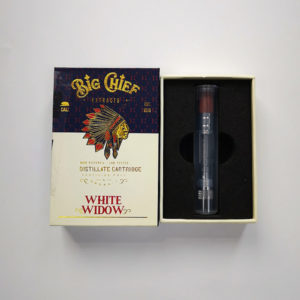
CARTRIDGES
Sale!

CARTRIDGES

HASH
$
70.00
–
$
305.00

CARTRIDGES
$
25.00

CARTRIDGES
$
25.00
Sale!

CARTRIDGES
Browse our categories


our services
free express delivery
When your order is more than $299, you receive FREE express delivery and can look forward to the worlds best medical marijuana and associate products delivered directly to your door
Exquisite Collection
We’re extremely picky about product quality & our collection is constantly being refined & is comprised of the finest buds known to humankind
Top-notch Support
We pride ourselves in providing exceptional support and we’re among the few offering dedicated 24/7 chat support to our valued customers.
Understanding cured resin and live resin
Cannabis concentrates can look similar in a jar while offering noticeably different aromas, textures, and overall experiences. Cured resin and live resin are both solvent-based extracts made from cannabis flower, yet the condition of the plant material before extraction gives each product its distinct character.
The key difference is simple: cured resin is made from cannabis that has been dried and cured, while live resin is made from freshly harvested cannabis that is frozen quickly to preserve volatile compounds. That timing affects terpene retention, flavor, consistency, and often price.
Neither extract is automatically better for every consumer. The right choice depends on whether you value a familiar, developed cannabis profile, a vivid fresh-plant aroma, easy handling, or a particular type of vaporizing experience. Understanding how each concentrate is made makes labels and product descriptions much easier to evaluate.
What cured resin means
Cured resin begins with cannabis flower that has gone through the traditional post-harvest process. After harvesting, the buds are dried under controlled conditions and then cured, allowing moisture to leave gradually while the plant’s aroma and chemical profile develop. The cured material is later processed with a hydrocarbon solvent, commonly butane or a blend of hydrocarbons, to separate cannabinoids and aromatic compounds from the plant matter.
Drying and curing change the flower in important ways. Some highly volatile terpenes may dissipate during this stage, but other aromas can become rounder and more recognizable. A well-made cured resin may express familiar notes associated with the strain, such as earth, spice, citrus, pine, gas, or sweetness, without the intensely green character sometimes found in extracts made from fresh material.
Cured resin is sometimes confused with other concentrates such as shatter, wax, or budder. Those names usually describe texture or consistency rather than the starting material. Cured resin can be made into a range of textures, including sauce-like, viscous, or semi-solid forms, depending on processing and storage.
How live resin preserves fresh aromas
Live resin is produced from cannabis plants that are harvested and frozen soon after cutting. Instead of allowing the flower to dry and cure, producers use very low temperatures to preserve more of the plant’s original terpene and cannabinoid profile. The frozen material is then extracted, usually with hydrocarbons, in a facility equipped to handle cold biomass.
Rapid freezing helps limit the loss of volatile terpenes. As a result, live resin often has a pronounced aroma that may resemble fresh herbs, citrus peel, fruit, pine, or the sharp scent of a living cannabis plant. Its flavor can feel more immediate and layered, although the exact result depends on the cultivar, harvest timing, freezing method, extraction conditions, and post-processing.
“Live” refers to the fresh, frozen starting material, not to a guarantee of higher potency. Live resin may test higher or lower in THC than cured resin, and laboratory results can vary between batches. Terpene percentages, extraction quality, and the freshness of the finished concentrate are more useful indicators than the product name alone.
Flavor, texture, and vapor experience
The most noticeable distinction for many people is aroma. Cured resin often has a deeper, more settled profile shaped by the curing process. It may suit consumers who prefer classic strain flavors or a less intensely fresh character. Live resin usually offers a brighter aromatic profile, with prominent terpene notes that can make a small amount smell especially powerful.
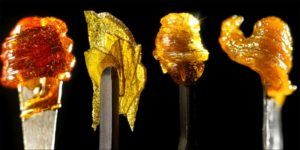
Texture also varies considerably. Live resin is frequently associated with a glossy sauce, soft badder, or sticky consistency because the extract can retain a rich mixture of terpenes and cannabinoids. Cured resin may appear as a denser badder, crumble, sugar, or darker sauce. These are general patterns rather than fixed rules; refinement, whipping, temperature, and packaging can change the final appearance.
The vapor experience depends on more than the concentrate category. A clean device, appropriate temperature, and careful storage can preserve flavor in either type. Excessive heat may scorch terpenes and create a harsh taste, while a setting that is too low may produce weak vapor or leave material behind. Consumers should follow the device manufacturer’s instructions and avoid modifying cartridges or using equipment that is not designed for concentrates.
| Feature | Cured resin | Live resin |
|---|---|---|
| Starting material | Dried and cured cannabis flower | Fresh cannabis frozen soon after harvest |
| Typical aroma | Developed, familiar, earthy, spicy, sweet, or gassy | Bright, fresh, fruity, herbal, citrus, or intensely aromatic |
| Terpene preservation | Some volatile compounds may be lost during drying | Freezing helps retain more volatile compounds |
| Common textures | Sugar, badder, crumble, sauce, or dense resin | Sauce, badder, sugar, or terpene-rich resin |
| Potency | Depends on cultivar and extraction; not inherently lower | Depends on cultivar and extraction; not inherently higher |
| Usual pricing | Often more accessible, depending on production | Frequently priced higher because of specialized handling |
| Best comparison point | A developed strain profile and value | Fresh aromatic expression and terpene intensity |
Choosing between the two extracts
Cured resin can be a practical option when a consumer wants a recognizable strain character, a denser texture, or a product that may cost less than a comparable live extract. Its profile can also be easier to predict when the producer provides detailed batch information and has a consistent curing process.
Live resin may appeal to people who prioritize aroma and flavor above all else. Its fresh, terpene-forward character can be especially attractive to experienced concentrate consumers who want to explore how a cultivar expresses immediately after harvest. Because live resin may be softer or more fluid, it can require extra care during handling.
The choice should also account for tolerance and intended use. Resin is concentrated cannabis, so even a small amount can deliver a substantial dose of THC. New or occasional consumers should approach concentrates cautiously, avoid combining them with alcohol or other intoxicants, and allow enough time to understand the effects before consuming more. Laws, age restrictions, and product availability differ by location.
When evaluating an online selection, Quality THC Portal presents cannabis products in several formats, including concentrates and vape-related options. Product pages should still be checked carefully for the exact extract type, cannabinoid content, terpene information, batch details, and packaging standards before placing an order.
Quality indicators that matter
A product name cannot replace basic quality checks. Look for a clear ingredient list, a stated extraction method where available, a batch or lot number, and recent laboratory testing from an independent facility. A useful certificate of analysis may show cannabinoid levels, terpene content, pesticides, heavy metals, residual solvents, microbial contamination, and other relevant screening results.
Appearance can provide clues, but it is not proof of quality. Live resin may be golden, amber, pale, or darker depending on the plant and process. Cured resin may range from light honey tones to deeper brown shades. Excessively dark material, an unusual chemical odor, visible contamination, leaking packaging, or unexplained separation deserves caution, though color alone does not establish whether a concentrate is safe.
Packaging and storage are equally important. Light, heat, oxygen, and repeated opening can degrade aroma and alter consistency. Concentrates are generally best kept in a sealed, non-reactive container away from direct sunlight and high temperatures. If refrigeration is recommended, allow the container to reach a safer handling temperature before opening to reduce condensation.
Online buyers should also distinguish between a product’s advertised category and the evidence supporting it. Terms such as “premium,” “full spectrum,” and “high terpene” can be used broadly. Transparent testing, accurate descriptions, and responsive customer support offer more meaningful reassurance than promotional language.
Buying and handling concentrates responsibly
International orders require additional care because cannabis laws vary widely between countries, states, and local jurisdictions. Import restrictions, customs rules, age requirements, and penalties may apply even when a product is legal where it is sold. Consumers considering cross-border purchasing can review international ordering guidance, then verify the rules that apply in their own location through official government sources.
A concentrate should arrive in sealed, clearly labeled packaging that identifies the contents and provides appropriate handling information. Do not use a product if the package is damaged, the contents appear contaminated, or the label conflicts with the order. Keep cannabis products away from children and pets, and avoid driving or operating machinery after consuming THC.
For a measured experience, use equipment intended for concentrates and start with a very small amount. Heat should be controlled rather than excessive, particularly when flavor preservation is important. Clean the device regularly according to its instructions, since residue can affect taste and airflow. Never share mouthpieces or use an unverified cartridge or battery combination.
Practical points to check before buying
- Confirm whether the product is cured resin, live resin, rosin, distillate, or another concentrate category.
- Review the latest certificate of analysis, including THC, terpene, and contaminant results.
- Check the package size, extraction method, ingredients, and recommended storage conditions.
- Compare texture and device compatibility with how you plan to consume the concentrate.
- Verify local laws, delivery restrictions, and minimum-age requirements before ordering.
Cured resin and live resin are best understood as two different approaches to preserving the character of cannabis. Cured resin reflects flower that has been dried and developed over time, while live resin emphasizes the aromatic qualities of freshly harvested, rapidly frozen material. Comparing test results, freshness, storage, and producer transparency will help you judge the actual product rather than relying on the label alone.
Explore carefully documented concentrate options, read the product details closely, and choose a format that matches your experience level and intended use. Responsible sourcing and cautious handling are essential parts of getting the most from either resin style.