No products in the cart.
QUALITY THC PORTAL - BUY QUALITY THC PRODUCTS ONLINE - FAST DELIVERY
Welcome to Quality THC Portal. We are premium suppliers of Quality THC Products. We supply in bulk and small quantities the following products; Package weed , Pre-rolls , Vape cartridges and Marijuana concentrates. We deliver to most countries around the world and delivery is fast and secured. Our website is well encrypted to product all your information we receive to process your orders and also we have a well setup and stable customer service team who are always available to assist you incase of any difficulty while trying to make purchase on our website. We are certain you shall enjoy our services.
Best Selling Products
Sale!


CARTRIDGES
Sale!

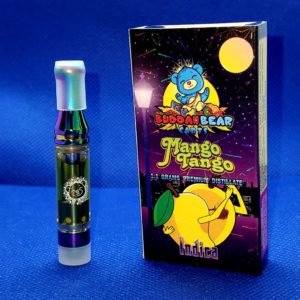
CARTRIDGES
Sale!

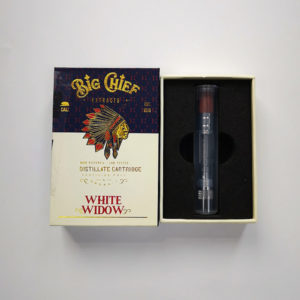
CARTRIDGES
Sale!

CARTRIDGES

HASH
$
70.00
–
$
305.00

CARTRIDGES
$
25.00

CARTRIDGES
$
25.00
Sale!

CARTRIDGES
Browse our categories


our services
free express delivery
When your order is more than $299, you receive FREE express delivery and can look forward to the worlds best medical marijuana and associate products delivered directly to your door
Exquisite Collection
We’re extremely picky about product quality & our collection is constantly being refined & is comprised of the finest buds known to humankind
Top-notch Support
We pride ourselves in providing exceptional support and we’re among the few offering dedicated 24/7 chat support to our valued customers.
Understanding THC concentrates: a breakdown of extracts
THC concentrates are cannabis products made by separating cannabinoids and aromatic compounds from the plant, producing a material that is usually much more potent than flower. The result may be a sticky oil, glassy solid, soft resin, powdery isolate, or dense traditional hash. Each format reflects a different extraction method, starting material, and storage approach.
Concentrates can offer strong flavor, rapid effects, and precise portioning, but their potency also leaves less room for guesswork. A small amount may contain as much THC as several larger servings of cannabis flower. Understanding the differences between extracts helps consumers read labels, recognize quality indicators, and choose a product that matches their experience level.
The term “concentrate” covers a broad family of products rather than a single formula. Live resin, rosin, distillate, shatter, wax, hash, and crumble can look and behave very differently. Legal availability, testing standards, and permitted product types also vary by location, so local regulations should always be checked before purchasing or possessing any cannabis extract.
What makes a concentrate different
Cannabis flower contains cannabinoids, terpenes, plant material, moisture, and other compounds. Extraction reduces much of the unwanted plant matter while concentrating selected components. THC may become the dominant cannabinoid, although many products retain CBD, minor cannabinoids, and terpenes that contribute to the overall profile.
Potency is often expressed as a percentage or as milligrams per gram. Flower commonly has a lower THC concentration than extracts, while some refined products can reach very high percentages. A higher number does not automatically mean a better product: a balanced terpene profile, reliable testing, and a clean manufacturing process are equally important.
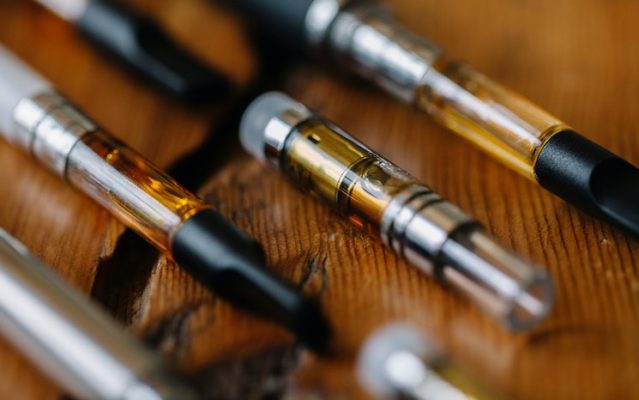
The experience also depends on how the concentrate is consumed. Vape cartridges heat oil into an inhalable aerosol, while dabbing involves vaporizing a small amount of solid or semi-solid extract on specialized equipment. Hash may be used with flower, and some concentrates are formulated for regulated edibles or beverages. Effects can vary with tolerance, metabolism, inhalation technique, and the presence of other cannabinoids.
For shoppers comparing quality THC products, product descriptions should be treated as a starting point rather than a substitute for a current certificate of analysis. A trustworthy listing should make the extract type, cannabinoid content, batch information, and testing details reasonably clear.
How common extracts are produced
Solvent-based extraction uses substances such as hydrocarbons, ethanol, or carbon dioxide to dissolve cannabinoids and terpenes from cannabis. The solvent is later removed through controlled processing. Hydrocarbon extracts can preserve strong aromas and produce textures such as wax, shatter, budder, and live resin. Ethanol extraction is often used at scale and can support the production of oils, tincture ingredients, and distillate.
Distillation takes purification further. Cannabis oil is processed to remove many compounds besides the target cannabinoid, creating a highly refined material known as distillate. Distillate can be relatively neutral in flavor and may be used in cartridges, edibles, or other formulated products. Terpenes are sometimes added back afterward to create a particular flavor profile or strain-inspired experience.
Solventless methods use mechanical pressure, heat, water, ice, or combinations of these techniques instead of chemical solvents. Traditional dry sift and bubble hash separate trichomes from plant material, while rosin is made by pressing cannabis or hash under heat and pressure. Live rosin and live hash begin with fresh-frozen material, helping preserve volatile terpenes that may be lost during drying and curing.
The starting material matters as much as the extraction method. “Live” products generally use freshly harvested and frozen cannabis, whereas cured products begin with dried and aged flower. Neither category guarantees superior quality. Freshness, cultivar selection, equipment, filtration, storage, and laboratory verification all influence the final result.
Comparing textures, potency, and typical uses
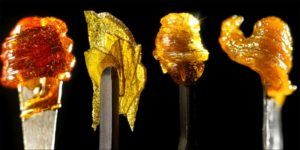
The appearance of an extract can provide clues about its consistency, but it cannot confirm purity or potency. Shatter may be translucent and brittle, while wax and badder are softer because of differences in processing and residual terpene content. Crumble is whipped or dried into a porous texture, and sauce often combines a terpene-rich liquid with crystalline THCA.
THCA is the non-intoxicating acidic precursor to THC found in raw cannabis. When exposed to heat, it undergoes decarboxylation and converts into THC, the compound associated with intoxication. Labels may list both THCA and THC, so consumers should understand whether the stated figure represents the active amount already present or a calculated potential amount after heating.
| Extract type | Typical texture | Main characteristics | Common considerations |
|---|---|---|---|
| Distillate | Thin oil | Highly refined, often high in THC | Flavor may come from added or reintroduced terpenes |
| Live resin | Sticky oil or soft sap | Made from fresh-frozen cannabis; strong aroma | Usually needs cool, protected storage |
| Rosin | Glossy, soft, or crumbly | Solventless and pressed with heat and pressure | Often valued for its terpene expression |
| Shatter | Brittle, glass-like sheet | Firm, translucent, and concentrated | Can become sticky or degrade with heat |
| Wax or badder | Soft, whipped, or creamy | Easy to portion with suitable tools | Texture changes with temperature and agitation |
| Crumble | Dry, porous, crumbly | Lower moisture and a light texture | Can be messy and may lose aroma if exposed |
| Hash or bubble hash | Dense, sandy, or resinous | Concentrated trichomes separated from flower | Quality depends heavily on cleanliness and storage |
These categories describe broad market conventions, not universal technical standards. One producer’s “sauce” may have a different consistency from another producer’s, and names can sometimes be used loosely. Laboratory results and ingredient information provide more dependable evidence than appearance alone.
Why terpenes and cannabinoids matter
Terpenes are aromatic compounds found in cannabis and many other plants. Myrcene, limonene, pinene, linalool, and caryophyllene are among the names frequently listed on cannabis test reports. They influence aroma and flavor, and they may contribute to how consumers perceive a product, although research into their precise effects alongside THC is still developing.
A concentrate made from a terpene-preserving process may taste closer to the source cultivar than a highly refined distillate. Live resin and live rosin are often selected for this reason. Distillate, by contrast, can provide a more standardized cannabinoid base, which may appeal to people who prioritize consistency or want a neutral oil.
Minor cannabinoids can also distinguish one extract from another. CBD, CBG, CBC, and other compounds may appear in full-spectrum or broad-spectrum products. Some extracts are designed to isolate THC almost entirely, while others retain a wider range of the plant’s chemical constituents. These labels should be checked carefully because terminology is not always applied consistently across markets.
A strong aroma is not proof of potency, and a mild-smelling concentrate is not automatically defective. Terpenes can evaporate when exposed to heat, light, oxygen, or repeated opening. Proper packaging should limit these factors, and consumers should avoid assuming that a darker color or thicker texture reveals the product’s age or safety.
Reading labels and recognizing quality
A dependable concentrate label should identify the product type, net weight, THC content, other cannabinoids, batch or lot number, and testing date where applicable. A certificate of analysis can provide additional data about pesticides, heavy metals, microbial contamination, residual solvents, and potency. Testing requirements differ by jurisdiction, but transparent documentation is a useful quality signal.
Residual solvents deserve particular attention in products made with hydrocarbon, ethanol, or other chemical extraction. Professional facilities use purification and testing procedures to verify that remaining levels are within permitted limits. Unusually vague descriptions, missing batch information, or claims that cannot be supported by laboratory results should prompt caution.
Packaging and storage also affect the condition of an extract. Light-resistant containers, airtight seals, and cool temperatures help preserve cannabinoids and volatile terpenes. Excessive heat can thin oils, alter texture, and accelerate degradation. Refrigeration may benefit some products, but condensation and temperature swings can create problems, so the manufacturer’s storage guidance should be followed.
Consumers should be cautious with unregulated cartridges and concentrates, especially products with no verifiable manufacturer, ingredient list, or test report. Illicit vape oils may contain adulterants or cutting agents that are not disclosed. A professional appearance does not establish safety, and online reviews cannot replace independent testing.
Selecting a format that fits your needs
The best concentrate format depends on intended use, familiarity with high-potency cannabis, equipment, and personal preferences. Someone seeking pronounced flavor may compare live resin and rosin, while someone focused on convenience may consider a prefilled cartridge from a regulated source. A person who wants to incorporate a measured extract into a permitted preparation should pay close attention to milligram labeling and decarboxylation guidance.
New or infrequent consumers should approach concentrated THC carefully. Beginning with a very small amount and waiting to assess the effects is safer than assuming that a familiar flower tolerance transfers directly to extracts. Inhaled products can feel fast-acting, but effects may continue to develop after the first inhale. Edible products generally take longer to appear and can last much longer.
Useful checks before selecting an extract include:
- Verify that the product is legal in your location and sold through an authorized channel.
- Compare the stated THC amount with the package size instead of relying on the product name.
- Look for a recent certificate of analysis covering potency and contaminants.
- Choose packaging that protects the concentrate from light, air, heat, and leakage.
- Avoid mixing high-potency THC with alcohol, sedatives, or activities that require alertness.
People who are pregnant, breastfeeding, taking prescription medicines, or managing a health condition should seek advice from a qualified healthcare professional before using cannabis. THC can affect coordination, attention, memory, and judgment, so driving or operating machinery after consumption is unsafe. Secure storage is also essential in homes with children or pets.
Making sense of the wider concentrate market
The concentrate market continues to expand through improved extraction equipment, better terpene preservation, and more precise product formulation. Producers now offer options ranging from single-cannabinoid distillates to full-spectrum extracts intended to retain a broader chemical profile. This variety gives consumers more choice, but it also makes clear labeling and independent oversight increasingly important.
Price can reflect input material, labor, equipment, testing, packaging, and the amount of processing involved. It is not a reliable measure of quality by itself. A premium-priced product with weak documentation may be a poorer choice than a moderately priced extract with transparent testing and responsible manufacturing information.
Terms such as “full spectrum,” “broad spectrum,” “live,” and “solventless” are useful descriptors, but they should be interpreted alongside the actual ingredient and laboratory information. “Solventless” describes the extraction approach, not necessarily the cleanliness of the growing process. “Live” describes the condition of the starting material, not a guarantee of freshness after months of storage.
A thoughtful approach treats THC concentrates as specialized, high-potency products rather than interchangeable versions of flower. Learn the extraction method, review the cannabinoid and terpene profile, confirm testing, and store the product correctly. Then select the smallest practical amount that suits the intended experience, follow local law, and keep safety at the center of every purchase and use decision.