No products in the cart.
QUALITY THC PORTAL - BUY QUALITY THC PRODUCTS ONLINE - FAST DELIVERY
Welcome to Quality THC Portal. We are premium suppliers of Quality THC Products. We supply in bulk and small quantities the following products; Package weed , Pre-rolls , Vape cartridges and Marijuana concentrates. We deliver to most countries around the world and delivery is fast and secured. Our website is well encrypted to product all your information we receive to process your orders and also we have a well setup and stable customer service team who are always available to assist you incase of any difficulty while trying to make purchase on our website. We are certain you shall enjoy our services.
Best Selling Products
Sale!


CARTRIDGES
Sale!


CARTRIDGES
Sale!

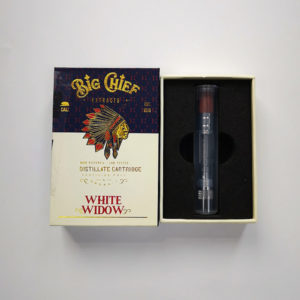
CARTRIDGES
Sale!

CARTRIDGES

HASH
$
70.00
–
$
305.00

CARTRIDGES
$
25.00

CARTRIDGES
$
25.00
Sale!

CARTRIDGES
Browse our categories


our services
free express delivery
When your order is more than $299, you receive FREE express delivery and can look forward to the worlds best medical marijuana and associate products delivered directly to your door
Exquisite Collection
We’re extremely picky about product quality & our collection is constantly being refined & is comprised of the finest buds known to humankind
Top-notch Support
We pride ourselves in providing exceptional support and we’re among the few offering dedicated 24/7 chat support to our valued customers.
The Truth About Cut Agents in Vape Cartridges
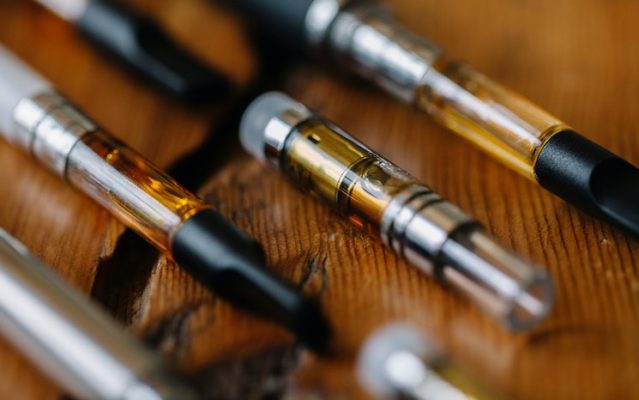
Vape cartridges are often marketed as a convenient way to consume cannabis concentrates, but the liquid inside may contain more than cannabinoids and terpenes. Some products use approved carrier ingredients, while others may be diluted with questionable oils, synthetic compounds, or contaminants. The difference is important because inhalation delivers substances deep into the lungs, where safety standards must be much stricter than they are for many foods or cosmetics.
The phrase “cut agent” generally describes a substance added to cannabis oil to change its texture, reduce production costs, increase volume, or make thick concentrate easier to vaporize. Not every additive is automatically dangerous, and not every thick or thin cartridge is evidence of adulteration. The real concern is whether the ingredient is suitable for inhalation, clearly disclosed, correctly tested, and stable at the temperatures produced by the device.
A safer approach begins with understanding what can be present in vape oil, why certain ingredients became controversial, and how consumers can evaluate product information without relying on color, viscosity, or persuasive packaging alone.
What a cut agent does in vape oil
Cannabis extract naturally varies in thickness. Distillate may be relatively fluid, while some high-terpene extracts or concentrated resins can be extremely viscous. A manufacturer may add a thinning agent to improve wicking, help the oil move through a cartridge, or make filling more consistent. In other cases, an additive may be used primarily to stretch a batch and increase the number of units produced.
The term covers a broad range of substances. Some formulations use cannabis-derived terpenes or botanical terpenes to adjust flavor and flow. Others may contain compounds such as polyethylene glycol, propylene glycol, medium-chain triglycerides, or vitamin E acetate. These ingredients do not have identical risk profiles, and evidence about oral or topical use cannot automatically be applied to inhalation.
A carrier that is acceptable in an e-liquid, food, or skincare product may behave differently when heated and inhaled. Thermal breakdown can produce new chemicals, especially when a device runs at high voltage, the coil is damaged, or the cartridge is nearly empty. For this reason, “food grade” is not a sufficient safety label for a vape ingredient.
Why vitamin E acetate changed the conversation
Vitamin E acetate received intense scrutiny during the 2019 outbreak of vaping-associated lung injuries in the United States. Investigations by public health agencies found the compound in many lung-fluid samples from affected patients, particularly among people using illicit THC vape products. The evidence did not establish that every case involved the same exposure or that every product containing the ingredient would create identical harm, but the association was serious enough to change industry and regulatory guidance.
When heated and inhaled, vitamin E acetate may interfere with normal lung function or generate irritating compounds. It is particularly concerning because it can look and feel appropriate in a cartridge: it is oily, relatively inexpensive, and capable of altering viscosity. A consumer cannot reliably identify it by appearance, taste, or the way a cartridge produces vapor.
The broader lesson extends beyond one ingredient. A product can be free from visible particles and still contain a dangerous additive. Consumers should be cautious of any vape oil that lists vitamin E acetate, uses vague terms such as “proprietary blend,” or provides no complete ingredient information. Avoiding unregulated THC cartridges remains one of the strongest risk-reduction steps available.
Common additives and their limitations
Cannabis vape products can contain ingredients intended to preserve flavor, adjust consistency, or recreate the aroma of a specific strain. Terpenes are common because they naturally occur in cannabis and can be isolated from cannabis or other plants. Even when a terpene is naturally sourced, concentration matters, and a substance that is safe at low levels may irritate the airways when heavily concentrated.
Propylene glycol and polyethylene glycol have long histories in commercial products, but their presence in a cannabis cartridge should still be evaluated carefully. Heating conditions, purity, formulation, and device temperature all affect potential exposure. MCT oil is another example of an ingredient that may be tolerated when eaten but is unsuitable for inhalation. Oils designed for ingestion should not be assumed safe for the lungs.
Some products contain no traditional “cutting oil” but still have quality concerns. Residual solvents from extraction, pesticide contamination, heavy metals from hardware, mold, and inaccurate cannabinoid concentrations can create hazards independent of viscosity. A cartridge made with pure extract can still be unsafe if it was manufactured poorly or paired with a defective heating element.
Consumers also need to separate legitimate formulation from dilution. A manufacturer may add a small amount of a disclosed terpene blend to create a usable product, whereas an undisclosed filler can reduce potency and introduce unknown exposure. Clear labeling, batch-specific testing, and traceable production are more meaningful than claims such as “premium,” “clean,” or “lab inspired.” The same habit of examining promotional language critically applies across digital commerce, including how readers assess marketing claims in entertainment and product content.
How to compare cartridge ingredients and evidence
A certificate of analysis can provide valuable information, but it should not be treated as a complete guarantee. A useful report identifies the product or batch, lists cannabinoid potency, names the testing laboratory, provides a report date, and includes relevant screening for pesticides, solvents, heavy metals, microbial contamination, and other hazards. If a cartridge contains added terpenes or a carrier, the report or product documentation should explain that formulation clearly.
Testing laboratories vary in quality, and a copied or generic report may not relate to the cartridge being sold. Batch numbers should match across the packaging, laboratory report, and product listing. A QR code that leads only to a homepage is less useful than a report that can be traced to a specific lot.
| Product feature | More reassuring sign | Reason for caution |
|---|---|---|
| Ingredient list | Specific ingredients with approximate proportions or clear formulation details | “Natural blend,” “proprietary oil,” or no ingredient list |
| Laboratory report | Recent, batch-specific document from an identifiable laboratory | Generic PDF, missing batch number, or unverifiable laboratory |
| Contaminant screening | Results for pesticides, solvents, heavy metals, and microbes | Potency-only testing |
| Cartridge hardware | Reputable hardware, leak checks, and clear manufacturer information | Unknown metal components, leaks, burnt taste, or loose fittings |
| Product claims | Measured language supported by documentation | Claims of being completely risk-free or universally safe |
| Packaging | Sealed, traceable, compliant packaging where required | Unsealed products, damaged boxes, or inconsistent labels |
A thick oil is not automatically pure, and a runny oil is not automatically diluted. Temperature, terpene concentration, extract type, and hardware design can all change viscosity. Similarly, a dark color may reflect oxidation or the characteristics of a live extract, while a pale color may result from refinement. Visual inspection is useful for noticing defects, but it cannot replace analytical testing.
Warning signs that deserve attention
A cartridge should be treated cautiously when its label omits ingredients, potency, manufacturer information, or a batch identifier. Other warning signs include a strong chemical odor, an unusually harsh throat sensation, rapid clogging, leaking oil, inconsistent vapor, or a burnt flavor that appears soon after use. None of these signs proves that a product contains a specific cut agent, but each can indicate poor formulation, faulty hardware, contamination, or excessive heat.
Packaging can reveal problems as well. Spelling errors, missing legal warnings, implausible potency numbers, imitation branding, and claims of guaranteed effects are common in counterfeit or informal-market products. A product that is sold far below comparable prices may have been diluted, stored improperly, or manufactured without meaningful quality control.
Symptoms after vaping deserve prompt attention. Chest pain, shortness of breath, persistent cough, fever, unusual fatigue, nausea, or worsening respiratory discomfort should not be dismissed as a normal reaction to cannabis. Stop using the product and seek medical care, particularly if symptoms are severe or progress quickly. Healthcare professionals need accurate information about what was inhaled, including the cartridge packaging if it is available.
Avoid attempting to “test” questionable oil by heating it repeatedly, tasting it, transferring it to another cartridge, or mixing it with a different extract. These steps can increase exposure and may damage the device. Suspicious products should be kept in their original packaging for possible reporting or medical reference.
Safer purchasing and usage decisions
Regulated products generally offer stronger safeguards than informal-market cartridges because they are subject to manufacturing, labeling, and testing requirements. Rules differ by location, and legal status does not make a product risk-free, but traceability gives consumers a better way to identify the manufacturer and investigate a batch.
Before purchasing, read the complete ingredient list and locate a current certificate of analysis. Check whether the laboratory tested more than cannabinoid potency. Ask whether the cartridge contains botanical terpenes, cannabis-derived terpenes, or another carrier, and be wary if customer support cannot provide a direct answer. Encrypted ordering and responsive service may improve the purchasing experience, but neither feature substitutes for product-level evidence.
Hardware also affects exposure. Use the voltage or temperature range recommended by the cartridge manufacturer, avoid modifying the battery, and stop using a cartridge that becomes unusually hot. Store it upright, away from direct sunlight and extreme temperatures. Do not share mouthpieces, and do not continue using a device after a burnt taste or visible leak develops.
Practical checks before using a cartridge
- Verify that the ingredient list is complete and does not include vitamin E acetate or an unidentified oil.
- Match the batch number on the package with a recent, independently verifiable laboratory report.
- Confirm that testing includes contaminants such as pesticides, residual solvents, heavy metals, and microbes.
- Choose sealed, traceable products from manufacturers that disclose their location and customer support details.
- Stop immediately if the cartridge leaks, tastes chemical or burnt, overheats, or causes unusual respiratory symptoms.
What responsible transparency looks like
A trustworthy cannabis retailer should make it easy to find ingredient details, batch documentation, manufacturing information, and realistic usage guidance. Product descriptions should distinguish between extract, terpene content, and any added formulation ingredients. They should also avoid implying that a cartridge is harmless simply because it contains cannabis-derived material.
Manufacturers have a responsibility to formulate for inhalation rather than borrowing ingredients from oral products. They should validate the complete product, including the oil, cartridge materials, heating behavior, and storage stability. Testing only the starting extract does not fully evaluate what a consumer receives after filling and sealing the hardware.
Consumers have a role as well. Refusing to reward vague labels and unsupported health claims creates pressure for better disclosure. Keeping packaging and batch details can help with recalls or medical evaluation. Reporting suspected counterfeit products or adverse reactions to the relevant local authority may protect other people from the same source.
The central point is simple: the appearance of cannabis oil tells very little about its safety. A cartridge deserves confidence when its ingredients are disclosed, its batch is traceable, its testing is broad, and its hardware is responsibly made. Review those details before opening the package, use the device only as directed, and seek medical care promptly if vaping produces concerning symptoms.