No products in the cart.
QUALITY THC PORTAL - BUY QUALITY THC PRODUCTS ONLINE - FAST DELIVERY
Welcome to Quality THC Portal. We are premium suppliers of Quality THC Products. We supply in bulk and small quantities the following products; Package weed , Pre-rolls , Vape cartridges and Marijuana concentrates. We deliver to most countries around the world and delivery is fast and secured. Our website is well encrypted to product all your information we receive to process your orders and also we have a well setup and stable customer service team who are always available to assist you incase of any difficulty while trying to make purchase on our website. We are certain you shall enjoy our services.
Best Selling Products
Sale!


CARTRIDGES
Sale!

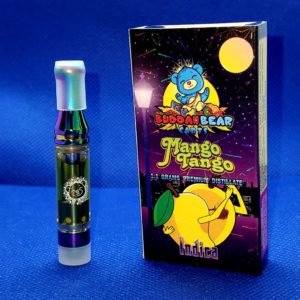
CARTRIDGES
Sale!

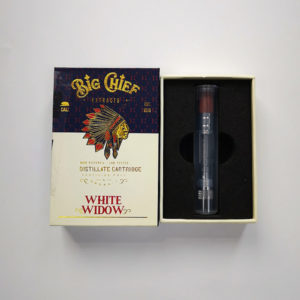
CARTRIDGES
Sale!

CARTRIDGES

HASH
$
70.00
–
$
305.00

CARTRIDGES
$
25.00

CARTRIDGES
$
25.00
Sale!

CARTRIDGES
Browse our categories


our services
free express delivery
When your order is more than $299, you receive FREE express delivery and can look forward to the worlds best medical marijuana and associate products delivered directly to your door
Exquisite Collection
We’re extremely picky about product quality & our collection is constantly being refined & is comprised of the finest buds known to humankind
Top-notch Support
We pride ourselves in providing exceptional support and we’re among the few offering dedicated 24/7 chat support to our valued customers.
THC Distillate Vs. Live Resin: Chemistry, Effects, and Quality
Cannabis concentrates can look similar in a cartridge or disposable device while differing substantially at the molecular level. THC distillate and live resin are both concentrated extracts, yet their production methods determine how many plant compounds remain, how the product smells, and how its effects may feel.
The central distinction is preservation versus refinement. Distillate is processed to isolate and concentrate specific cannabinoids, usually delta-9-tetrahydrocannabinol (THC). Live resin is made from cannabis that is frozen soon after harvest, helping retain volatile terpenes and a broader selection of compounds from the fresh plant.
Neither format automatically represents better quality. A well-made distillate can offer predictable potency and a clean flavor, while carefully produced live resin can provide a more complete representation of the cultivar. The most useful comparison considers extraction chemistry, laboratory testing, intended use, and storage rather than relying on a potency number alone.
Defining The Two Extracts
THC distillate is a refined cannabis oil created after an initial extraction and several purification stages. Producers commonly remove plant waxes, lipids, pigments, and other unwanted materials before using heat and vacuum distillation to separate compounds according to their boiling points. The result is a thick, highly concentrated oil that may contain a high percentage of THC.
Because distillation can strip away much of the original terpene profile, manufacturers often add cannabis-derived or botanical terpenes later. Some products are sold as “pure” distillate, while others are formulated with strain-inspired flavor blends. The label should clarify whether the terpenes are cannabis-derived and identify any added ingredients.
Live resin follows a different philosophy. Freshly harvested cannabis is rapidly frozen instead of being dried and cured first. This reduces the loss of monoterpenes and other volatile molecules that can evaporate during conventional curing. The frozen material then undergoes hydrocarbon, solventless, or other extraction processes, depending on the producer’s method.
The phrase “live resin” describes the use of fresh-frozen plant material, not a single universal recipe. A live resin cartridge may therefore differ in texture, color, cannabinoid ratio, and terpene content from another product carrying the same label. The certificate of analysis remains more informative than the marketing term alone.
From Plant Material To Concentrate
Traditional cannabis processing begins with cured flower, which has already lost some moisture and volatile compounds. Distillate production often starts with an extract from this material. A refining stage called winterization may use cold temperatures and a solvent to remove fats and waxes, followed by filtration and solvent recovery.
After purification, short-path or wiped-film distillation separates compounds under reduced pressure. Vacuum conditions lower the temperatures needed for separation, helping limit thermal degradation. Repeated passes can create a cleaner, more concentrated cannabinoid fraction, though excessive heat or poor process control can still affect color, flavor, and potency.
Live resin aims to preserve chemistry that ordinary drying can change. Freezing shortly after harvest slows enzymatic activity and traps volatile terpenes in the plant matrix. Extraction then releases cannabinoids and aromatic molecules together, producing an oil that often retains a stronger cultivar-specific scent.
Extraction solvents are not automatically a sign of inferior quality. Hydrocarbons such as butane or propane can be effective when handled in compliant, professional facilities, while solventless methods use pressure, ice water, or heat. What matters is proper purification, residual-solvent testing, contaminant screening, and transparent manufacturing information.
Cannabinoids, Terpenes, And Aroma
The most visible chemical difference is usually the terpene profile. Terpenes are aromatic compounds found in cannabis and many other plants. Limonene may contribute citrus notes, myrcene can be associated with earthy or herbal aromas, and pinene may bring a pine-like character. These compounds influence smell and taste, although the experience depends on concentration, inhalation method, individual biology, and the other compounds present.
Distillation tends to prioritize cannabinoid concentration over preserving the original aromatic fingerprint. A distillate cartridge may therefore have a relatively neutral base with terpenes added for flavor and viscosity. This can create a consistent product, but the final aroma may not accurately reflect the plant from which the original extract came.
Live resin generally contains a wider range of native terpenes because it begins with fresh-frozen material. It may smell more pungent and taste more complex, with changing notes that reflect the cultivar. However, “full-spectrum” or “live” language does not guarantee a broad or balanced profile. A laboratory report showing individual terpene percentages provides stronger evidence.
Researchers often discuss the entourage effect, the idea that cannabinoids and terpenes may interact to influence a product’s effects. Laboratory and early clinical evidence suggests that such interactions are plausible, but the exact contribution of each compound in commercial products remains difficult to predict. It is more accurate to say that live resin preserves more of the plant’s chemical diversity than to promise a specific effect.
How Chemistry Shapes Use
Distillate is usually fluid enough for cartridge hardware after formulation, although viscosity varies with temperature and added terpenes. Its neutral or adjustable flavor suits people who prefer a discreet profile or a repeatable experience. High THC concentration also means a small inhalation can deliver a substantial dose, so potency should not be confused with ease of control.
Live resin tends to be thicker and more sensitive to temperature. Its terpene-rich composition can produce pronounced flavor, but the oil may move slowly through a cartridge or become more viscous in cool conditions. Hardware designed for thicker extracts can reduce clogging and uneven heating, while excessive voltage may burn delicate aromatic compounds.
Inhaled cannabis reaches the bloodstream quickly, yet the onset of effects can encourage users to take repeated puffs before the first dose has fully settled. Starting with a small inhalation and allowing time to assess the response is a prudent harm-reduction practice, especially with high-THC products. People who are inexperienced, pregnant, taking interacting medicines, or vulnerable to anxiety or psychosis should seek qualified medical guidance before using cannabis.
Heating also creates a chemical transformation. THC in the plant is largely present as THCA, which converts to THC through decarboxylation. A vaporizer supplies enough heat to promote this conversion while aiming to avoid combustion. Poorly manufactured oils, contaminated hardware, or overheated coils can introduce additional risks, making third-party testing and reputable equipment important.
Comparing The Practical Differences
The choice between refined distillate and terpene-rich live resin depends on what matters most: consistency, flavor, cultivar character, price, or a particular cannabinoid profile. Distillate often has a higher listed THC percentage because much of the non-cannabinoid material has been removed. Live resin may show a lower THC percentage while containing substantially more aromatic compounds.
Potency labels should be read with care. A high number does not reveal dose per inhalation, terpene concentration, residual solvents, pesticide levels, or the presence of minor cannabinoids. Products should display a batch-specific certificate of analysis from an independent laboratory, where permitted by local law.
| Feature | THC Distillate | Live Resin |
|---|---|---|
| Starting material | Usually dried and cured cannabis extract | Fresh-frozen cannabis |
| Main objective | Refine and concentrate cannabinoids | Preserve fresh plant chemistry |
| Typical aroma | Neutral to deliberately flavored | Stronger, cultivar-specific aroma |
| THC percentage | Often very high | Often high, but variable |
| Terpene content | Frequently removed and added later | More likely to retain native terpenes |
| Texture | Thick, generally consistent oil | Often thicker and more variable |
| Hardware needs | Standard compatible cartridge systems | Hardware suited to viscous extracts |
| Key quality evidence | Potency, additives, contaminants, batch testing | Terpenes, potency, solvents, contaminants, batch testing |
This comparison describes common tendencies rather than fixed rules. Advanced refinement can produce distillate with selected minor cannabinoids, and modern live resin processing can create highly standardized formulations. The label, test results, and manufacturing disclosures should settle questions that the product name cannot answer.
Reading Quality And Safety Signals
A credible product page should identify the cannabinoid content, serving or inhalation guidance, ingredients, batch number, and applicable age or legal restrictions. A certificate of analysis should ideally cover potency, pesticides, heavy metals, microbial contamination, mycotoxins, and residual solvents. Results should correspond to the exact batch being sold rather than a generic laboratory image.
Hardware and packaging also matter. A sealed, tamper-evident cartridge with a compatible, tested battery is preferable to an unmarked container. Ingredients such as thinning agents, flavor additives, or non-cannabis terpenes should be clearly disclosed. Products making medical promises or concealing additives deserve caution.
Storage affects both formats. Heat, oxygen, and light can degrade cannabinoids and alter terpenes. Keeping concentrates sealed in a cool, dark place helps preserve quality, while extreme cold may make thick oil difficult to use. Cartridges should be stored upright when possible, and damaged, leaking, unusually dark, or chemically smelling products should not be used.
For shoppers comparing different extract formats, a specialist marketplace such as Quality THC Portal can be a starting point for reviewing product categories and available descriptions. Buyers should still verify local regulations, independent testing, ingredients, shipping eligibility, and age requirements before placing an order.
Choosing The Right Format For Your Priorities
The most sensible choice begins with the experience and information you value rather than the strongest advertised percentage. Consider these practical recommendations:
- Choose distillate when consistent THC concentration, a milder base flavor, and broad cartridge availability are the main priorities.
- Choose live resin when fresh cannabis aroma, cultivar character, and a richer terpene profile matter more than maximum THC percentage.
- Compare batch-specific laboratory reports instead of relying on terms such as “premium,” “full-spectrum,” or “ultra-potent.”
- Confirm the cartridge hardware, ingredients, extraction method, and storage guidance before using a concentrated oil.
- Start with a low inhaled amount, wait for the initial effects, and avoid driving or combining cannabis with alcohol or sedating substances.
Budget can also influence the decision. Distillate is often easier to manufacture at scale and may be more affordable per labeled milligram of THC. Live resin requires careful freezing, cold-chain handling, and terpene preservation, which can increase its price. That premium may be worthwhile for flavor and chemical complexity, but it does not replace the need for contaminant testing.
Cannabinoid balance deserves attention as well. A product containing CBD, CBG, or other minor cannabinoids may feel different from an isolate-like THC formulation, though individual responses vary. Looking beyond total THC can help shoppers select an extract that better fits their tolerance and intended setting.
The science behind these concentrates points to two different design goals. Distillate is a refined, concentrated cannabinoid ingredient built for consistency and flexibility. Live resin is a preservation-focused extract intended to retain more of the fresh plant’s volatile chemistry. Neither category guarantees a particular outcome, and labels become meaningful only when supported by transparent testing.
Before purchasing, review the batch report, ingredients, device compatibility, and legal requirements for your location. Select a product whose chemistry and quality documentation match your priorities, then use it conservatively and store it properly to protect both safety and flavor.