No products in the cart.
QUALITY THC PORTAL - BUY QUALITY THC PRODUCTS ONLINE - FAST DELIVERY
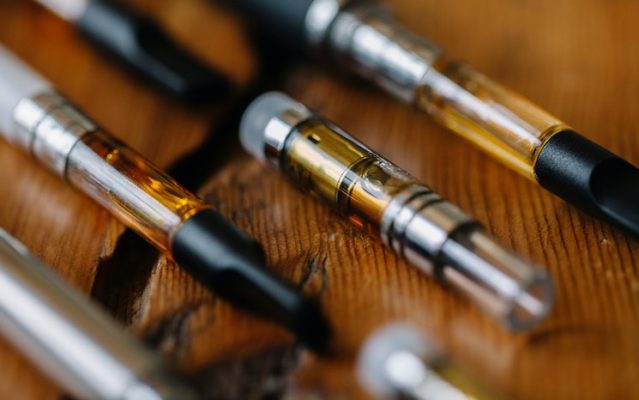
Welcome to Quality THC Portal. We are premium suppliers of Quality THC Products. We supply in bulk and small quantities the following products; Package weed , Pre-rolls , Vape cartridges and Marijuana concentrates. We deliver to most countries around the world and delivery is fast and secured. Our website is well encrypted to product all your information we receive to process your orders and also we have a well setup and stable customer service team who are always available to assist you incase of any difficulty while trying to make purchase on our website. We are certain you shall enjoy our services.
Best Selling Products
Sale!


CARTRIDGES
Sale!

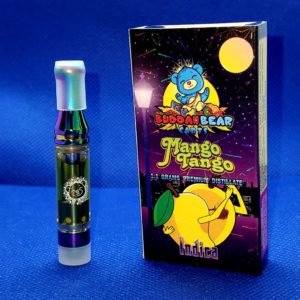
CARTRIDGES
Sale!

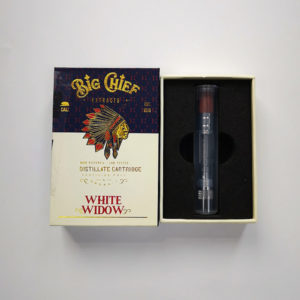
CARTRIDGES
Sale!

CARTRIDGES

HASH
$
70.00
–
$
305.00

CARTRIDGES
$
25.00

CARTRIDGES
$
25.00
Sale!

CARTRIDGES
Browse our categories


our services
free express delivery
When your order is more than $299, you receive FREE express delivery and can look forward to the worlds best medical marijuana and associate products delivered directly to your door
Exquisite Collection
We’re extremely picky about product quality & our collection is constantly being refined & is comprised of the finest buds known to humankind
Top-notch Support
We pride ourselves in providing exceptional support and we’re among the few offering dedicated 24/7 chat support to our valued customers.
Beyond THC and CBD: minor cannabinoids in cannabis concentrates
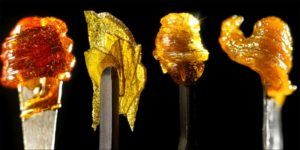
When browsing the shelves of Australian cannabis clinics or scrolling through Melbourne-based online stores, most buyers still anchor their decisions to THC potency or CBD content. Yet the modern concentrate market has matured well beyond a single-molecule conversation. Today's live resin, hash rosin, distillate, and shatter captures dozens of secondary cannabinoids that quietly shape flavour, duration, and the subjective experience of every dab or cartridge pull. Understanding this wider chemistry gives Australian consumers a sharper way to evaluate products and choose effects aligned with their intentions.
Across Sydney, Brisbane, Perth, and Adelaide, interest in minor cannabinoids has surged alongside the expansion of the medicinal cannabis framework overseen by the Therapeutic Goods Administration. Authorised prescribers and patients alike are asking sharper questions about cannabinoid profiles, while recreational users in jurisdictions with evolving legal frameworks have grown curious about what lies beyond the THC percentage printed on the jar. The following guide unpacks the secondary cannabinoids found in quality extracts and explains why they matter for anyone buying concentrates in Australia.
The cannabinoid family beyond THC and CBD
Cannabis plants produce more than 120 phytocannabinoids, though only a handful appear in meaningful concentrations within finished extracts. THC and CBD typically dominate the chromatogram, but a supporting cast of acidic precursors, varins, and propyl analogues can reach appreciable levels depending on genetics, harvest timing, and extraction method. Live resin, for instance, captures more of the acidic forms such as CBGA and THCA, while cured hash rosin often shows higher levels of decarboxylated CBN after extended storage.
Processors targeting these secondary compounds adjust their workflows in several ways: harvesting plants earlier for acidic cannabinoids, using cold temperatures to preserve volatile terpenes that guide cannabinoid activity, and selecting cultivars bred for elevated CBG or THCV. Australian laboratories running HPLC or ultra-high-performance liquid chromatography tests typically report six to twelve cannabinoids per batch, giving buyers a far more nuanced picture than the THC-versus-CBD binary of the past. Consumers who want to explore these profiles should request batch-specific certificates of analysis rather than relying on generic strain data.
| Cannabinoid | Typical effect profile | Common source | Prevalence in concentrates |
|---|---|---|---|
| THC (Δ9-tetrahydrocannabinol) | Euphoric, psychoactive, appetite stimulation | Most resin, rosin, distillate | Dominant in most extracts |
| CBD (cannabidiol) | Calming, non-intoxicating, anxiolytic | Hemp-derived, balanced strains | Moderate to high in specific cultivars |
| CBG (cannabigerol) | Focus-oriented, gently uplifting | Young harvest, dedicated CBG chemovars | Low to moderate, premium niche |
| CBN (cannabinol) | Sedative, body relaxation | Aged flower, oxidised THC | Trace to moderate in aged hash |
| CBC (cannabicromene) | Supporting mood, anti-inflammatory | Certain sativas, broad-spectrum extracts | Trace in many full-spectrum products |
| THCV (tetrahydrocannabivarin) | Clear-headed, appetite-suppressing | African landraces, select hybrids | Variable, sought by connoisseurs |
This overview shows why two extracts with identical THC percentages can feel completely different. A jar of fresh live resin from a THCV-rich African landrace, for example, will produce a markedly different effect profile than aged hash rosin high in CBN, even if both show the same dominant cannabinoid on paper. Recognising these distinctions helps Australian buyers move past marketing claims and toward chemistry that actually reflects the experience they want.
CBG and CBN in hash, rosin and distillate
Two cannabinoids have moved into the spotlight within Australian concentrate circles: CBG and CBN. CBG, often called the mother of all cannabinoids because it is the precursor from which THC, CBD, and CBC are synthesised, has gained traction in extracts harvested from young plants before the acidic forms convert. CBG-heavy concentrates tend to deliver a clear, focus-friendly experience without the heavy body load associated with high-THC dabs, making them attractive to daytime users and to patients seeking symptom relief without intoxication.
CBN, by contrast, forms as THC oxidises and degrades over time. Aged hash, improperly cured flower, and certain traditionally pressed charas all carry meaningful CBN content. Australian buyers interested in sleep support or deep body relaxation often seek CBN-forward extracts deliberately, though they should be aware that high CBN levels sometimes signal older stock rather than intentional formulation. Quality processors isolate CBN through controlled oxidation or by breeding specific chemovars, distinguishing their products from simply aged material.
Extraction method matters as much as starting material when chasing CBG or CBN. Ice-water hash made from freshly frozen CBG-rich flowers preserves the cannabinoid in its acidic form, while ethanol extraction followed by low-heat rotary evaporation can retain CBGA before decarboxylation. For CBN, traditional warm-pressing of aged kief can concentrate the oxidised cannabinoid alongside native terpenes, producing a distinctive flavour and sedative character. Reputable sellers document how their CBG or CBN content was achieved, which is helpful when comparing authentic THC product checks alongside the lab reports they publish.
THCV, CBC and acidic precursors in live resin
THCV has built a reputation as a stimulating cannabinoid in international markets, though its effects are more nuanced than marketing labels suggest. At lower doses it behaves like a mild stimulant, producing a bright, alert mental state without heavy euphoria. At higher doses it can modulate the THC response and shorten the duration of psychoactivity, an effect some users describe as a clean comedown. African landrace genetics and certain Thai and Pakistani cultivars carry the highest natural THCV content, and processors who work with these strains often release limited live resin batches that preserve the full THCA, THCVA, and terpene profile.
CBC, though less discussed, plays a supportive role in full-spectrum extracts. It interacts with the body's vanilloid and anandamide pathways and may amplify the actions of THC and CBD through complementary mechanisms. Acidic precursors such as CBGA, CBDA, and THCA also deserve attention. These compounds appear in meaningful amounts only when extraction temperatures stay low, which is why live resin and fresh-frozen hash rosin are prized by buyers who want the complete raw plant chemistry rather than a decarboxylated distillate. Australian processors using hydrocarbon extraction on fresh-frozen material routinely achieve two to four percent THCA alongside their THC numbers, and the resulting entourage adds depth that isolated products cannot replicate.
The entourage effect in concentrate form
The entourage effect describes the synergy between cannabinoids, terpenes, and flavonoids within the whole plant. In concentrates, this theory translates into a measurable difference between isolated distillate and full-spectrum extracts. Distillate, often 90 percent or more pure THC or CBD, contains a thin profile of secondary cannabinoids because the refining process strips away most of the supporting compounds. Full-spectrum live resin, by contrast, retains dozens of cannabinoids alongside a robust terpene fraction, recreating something closer to the original flower chemistry in a single dab.
For Australian patients accessing medicinal cannabis, the entourage concept is becoming increasingly relevant. Authorised prescribers can now request products with specific minor cannabinoid ratios, and some clinics in Sydney and Melbourne have begun curating formulations that pair THC with CBG or CBD for targeted outcomes. The legal medicinal pathway remains the safest route for patients with qualifying conditions, while recreational consumers can explore entourage-style products through legal channels in the ACT or via authorised personal cultivation at home.
Terpenes carry as much weight as minor cannabinoids in shaping the entourage profile. Myrcene, limonene, pinene, and linalool each steer the subjective direction of an extract, and a concentrate with balanced THC plus a strong terpene fraction will often feel more complete than a higher-potency product with stripped terpenes. When evaluating concentrates, it pays to look at the full panel rather than the headline THC number alone.
Reading labels and selecting diverse cannabinoid profiles
Choosing concentrates with diverse cannabinoid profiles starts with understanding how data is presented. Most Australian sellers list cannabinoids as percentages of total weight, while some international suppliers express content in milligrams per gram. The two measurements are equivalent, but comparing them requires a quick conversion. Beyond numbers, buyers should look for batch-specific certificates of analysis rather than generic strain averages, because cannabinoid content varies considerably between individual harvests and curing conditions.
Practical markers of a well-curated cannabinoid profile include a visible terpene percentage, a full cannabinoid panel with at least six compounds reported, and extraction method notes that explain whether the product is full-spectrum, broad-spectrum, or isolate-based. Storage conditions also matter: cold-stored live resin retains acidic cannabinoids far better than a jar that has sat on a warm shelf for weeks, and packaging date stamps reveal whether the product has been sitting in transit or local warehousing.
Common minor cannabinoid pairings in the Australian market
- THC paired with CBG for balanced daytime effects with reduced anxiety
- THC paired with CBN for evening relaxation and sleep support
- THC paired with THCV for short, alert sessions without heavy intoxication
- CBD paired with CBG for inflammation-focused wellness routines
- THC paired with CBC for mood elevation with broad anti-inflammatory action
Considerations when comparing concentrate options locally
- Confirm the seller publishes Australian-compliant certificates of analysis from accredited laboratories
- Check whether the product was extracted under GMP-aligned or equivalent quality standards
- Verify that THC content complies with state possession limits for medicinal and authorised channels
- Compare terpene percentages, not just cannabinoid totals, as they shape the subjective experience
- Review customer feedback about consistency between batches rather than one-off impressions
Quality THC Portal offers a curated selection of concentrates with detailed cannabinoid breakdowns, third-party lab results, and international delivery options for Australian buyers. Browse the catalogue, compare minor cannabinoid profiles side by side, and reach out through the 24/7 chat service if you need help matching a product to your intended outcome.