No products in the cart.
QUALITY THC PORTAL - BUY QUALITY THC PRODUCTS ONLINE - FAST DELIVERY
Welcome to Quality THC Portal. We are premium suppliers of Quality THC Products. We supply in bulk and small quantities the following products; Package weed , Pre-rolls , Vape cartridges and Marijuana concentrates. We deliver to most countries around the world and delivery is fast and secured. Our website is well encrypted to product all your information we receive to process your orders and also we have a well setup and stable customer service team who are always available to assist you incase of any difficulty while trying to make purchase on our website. We are certain you shall enjoy our services.
Best Selling Products
Sale!


CARTRIDGES
Sale!


CARTRIDGES
Sale!

CARTRIDGES
Sale!

CARTRIDGES

HASH
$
70.00
–
$
305.00

CARTRIDGES
$
25.00

CARTRIDGES
$
25.00
Sale!

CARTRIDGES
Browse our categories


our services
free express delivery
When your order is more than $299, you receive FREE express delivery and can look forward to the worlds best medical marijuana and associate products delivered directly to your door
Exquisite Collection
We’re extremely picky about product quality & our collection is constantly being refined & is comprised of the finest buds known to humankind
Top-notch Support
We pride ourselves in providing exceptional support and we’re among the few offering dedicated 24/7 chat support to our valued customers.
Why Solventless Concentrates Are Gaining Ground in Australia
Cannabis concentrates have become more refined, varied and widely discussed as consumers look for stronger flavour, cleaner textures and a closer connection to the original plant. Solventless products are at the centre of that shift because they are made without hydrocarbons or alcohol-based extraction agents. Instead, physical methods such as ice-water separation, pressure and controlled heat help release the plant’s resin.
Rosin and bubble hash are two of the best-known examples. They share a focus on trichomes and terpene preservation, yet their appearance, potency, price and ideal uses can be quite different. For Australian readers, the subject also needs to be viewed through local laws, medical access rules and a market where product availability varies substantially between states and territories.
What Solventless Means
“Solventless” describes an extraction approach that does not add a chemical solvent to dissolve cannabinoids and terpenes. The starting material may be dried flower, fresh-frozen cannabis or kief, while the finished concentrate can range from a dry, crumbly hash to a glossy, highly aromatic rosin. The quality depends heavily on genetics, harvest timing, moisture, storage and the skill of the processor.
This category is often confused with “solvent-free”, although the terms can be used loosely in product marketing. Solventless production relies on mechanical separation or heat and pressure, while solvent-free may simply mean that residual solvent was removed from a product. Buyers should look for clear labelling, batch information and independent testing rather than relying on broad claims such as “natural” or “pure”.
Interest has grown because many enthusiasts see solventless extracts as a more direct expression of the plant. Terpenes can provide distinctive notes of citrus, pine, spice or tropical fruit, and the texture can reveal how the material was processed. That appeal has helped hash, live rosin and pressed concentrates move from specialist circles into mainstream cannabis conversations.
How Rosin Is Produced
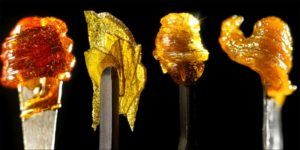
Rosin is created by applying pressure and heat to cannabis material. The process encourages resinous trichomes to flow out of the plant matter, producing a sticky concentrate that may look like sap, butter, jam or a dense wax. Flower rosin starts with dried buds, while hash rosin uses separated trichomes and is generally considered a more refined product.
The heat must be carefully controlled. Excessive temperature can flatten delicate terpene notes and produce a darker, more cooked flavour, while insufficient pressure may leave valuable resin trapped in the material. Professional processors use hydraulic or pneumatic presses, measured pressure and repeatable conditions to improve consistency between batches.
Rosin is attractive because the basic principle is easy to understand and the final product contains no intentionally added extraction solvent. That does not automatically make every rosin product safe or high quality. Contamination, mould, pesticides, heavy metals and poor storage can still affect cannabis concentrates, so credible testing and transparent production information remain important.
People exploring the technical side should treat home processing as a safety and legal issue rather than a casual kitchen project. The educational guide on safe home extraction discusses risks that can arise from heat, pressure, electrical equipment and unsuitable materials.
How Bubble Hash Is Made
Bubble hash is produced by separating trichomes from cannabis using ice-cold water and filtration bags or screens. The plant material is agitated in chilled water, allowing brittle trichome heads to detach. The mixture is then filtered through screens with different micron sizes, and the collected resin is dried carefully to prevent trapped moisture and microbial growth.
The name comes from the way high-quality hash can bubble or melt when exposed to heat. However, the term covers a broad range of grades. Some bubble hash contains more plant matter and is best suited to pressing or mixing, while full-melt varieties may liquefy cleanly and offer a more concentrated experience.
Fresh-frozen cannabis is often used for premium hash because freezing soon after harvest can help preserve volatile terpenes. The resulting material may have vivid aromas and a soft, sandy or greasy texture. It is also more demanding to produce, since drying and curing must be handled with precision. Residual moisture can cause flavour loss, mould or an unstable texture.
Bubble hash can therefore be viewed as both a finished concentrate and a foundation for another product. It may be enjoyed in its filtered form, pressed into a traditional block or used to make hash rosin. This flexibility is one reason it remains central to the solventless market.
Texture Flavour And Potency
Rosin usually has a sticky or semi-solid texture, with forms including badder, batter, sauce-like jam and a firmer sap. Bubble hash can be dry and granular, pliable like modelling clay or glossy when it reaches full-melt quality. Texture is not just a visual feature: it affects handling, storage, dosing and how quickly aroma compounds evaporate.
Flavour differences often come from the starting material. Rosin made from cured flower may have deeper earthy or toasted notes, whereas fresh-frozen hash rosin can show brighter fruit, floral and herbal characteristics. Bubble hash can preserve an expressive terpene profile, although poorly dried material may taste grassy or stale.
Potency should be interpreted carefully. A concentrate with a high THC percentage can produce a much stronger effect than conventional flower, but laboratory results vary between batches. The user’s tolerance, previous cannabis experience, route of administration and the presence of other substances all influence the outcome. A small amount can be difficult to measure accurately when the product is sticky or crumbly.
For a more predictable experience, consumers should favour clearly labelled products, use conservative amounts and allow time before taking more. Concentrates may be unsuitable for people who are pregnant, prone to anxiety or psychosis, operating vehicles or using medicines that can interact with cannabis. Keeping products locked away from children and pets is essential.
Why The Category Is Expanding
The wider cannabis industry has invested heavily in terpene-rich products, small-batch processing and premium formats. Solventless concentrates fit this trend because they offer a story that is easy to communicate: selected material, mechanical separation and a focus on preserving the plant’s resin. Craft producers can also differentiate products through genetics, harvest dates, micron grades and curing methods.
The growth of legal cannabis markets overseas has supported better equipment and more precise quality control. Consumers now encounter terms such as live rosin, cold cure, fresh press, six-star hash and full melt more frequently. These labels can be useful, but they are not universal quality guarantees. A strong product description should be supported by test results and meaningful information about production.
Digital retail has also changed how people compare cannabis products. Online catalogues such as Quality THC Portal present categories including flower, pre-rolls, hash, live resin and other concentrates, helping shoppers understand how formats differ. Any customer should still confirm local legality, shipping restrictions, age requirements and product documentation before placing an order.
The rise of solventless products does not mean conventional extracts are disappearing. Hydrocarbon extracts, distillates and live resin can offer their own advantages, including consistency, high potency and different flavour profiles. Solventless concentrates have simply created a stronger premium segment for consumers who value process transparency and fresh terpene character.
The Australian Legal And Market Context
Australia’s cannabis framework is more restricted than the recreational systems operating in parts of North America. Medicinal cannabis can be accessed through authorised medical pathways, generally with a doctor’s approval and supply through regulated channels. Recreational possession and use remain illegal federally, while state and territory rules differ in their treatment of possession, cultivation and enforcement.
Local realities also shape demand. In Sydney, Melbourne, Brisbane, Perth and other major cities, consumers may encounter legal medicinal products through pharmacies, but access to particular concentrate formats can be limited. Product availability is influenced by prescribing practices, approved formulations, import rules and whether a product is registered or supplied through an authorised scheme.
Australian climate and habits matter too. Warm conditions can soften rosin and accelerate terpene loss, especially if a package is left in a car or delivered without suitable temperature protection. Concentrates should be stored according to the manufacturer’s directions, away from sunlight and heat. Australians should also remember that driving with THC in the system can create legal risks, including in jurisdictions where medicinal cannabis has been prescribed.
Online stores may advertise international delivery, bulk quantities or express shipping, but those claims do not override Australian customs, import and drug laws. A product legal in another country may be prohibited at the border. Buyers need to check current Australian and state or territory requirements, and businesses should avoid presenting overseas availability as evidence that a product can legally be imported or possessed locally.
Choosing Between Rosin And Bubble Hash
The better option depends on the desired texture, flavour, preparation and budget. Rosin is often easier to handle in a dedicated concentrate format and may offer a smooth, terpene-forward profile. Hash gives a broader range of textures and grades, from traditional pressed material to premium full melt. Neither category is automatically superior across every batch.
Product freshness is particularly important. Rosin may change consistency with heat and time, while bubble hash can lose quality if exposed to moisture or stored in unsuitable packaging. Look for production or packaging dates, cannabinoid and terpene information, batch numbers, contaminant screening and storage guidance. Avoid products with vague claims, damaged seals or an unusually harsh chemical smell.
For Australian consumers, legality and source should come before price. An inexpensive product with no testing or traceable supply chain can carry greater risks than a higher-priced product with documented quality controls. Concentrates also deserve extra caution because their strength can make overconsumption easier, particularly for people who are new to cannabis or accustomed only to low-THC flower.
| Feature | Rosin | Bubble Hash |
|---|---|---|
| Primary method | Heat and pressure | Ice-water separation and filtration |
| Starting material | Dried flower, kief or hash | Usually dried or fresh-frozen cannabis |
| Typical texture | Sticky, creamy, saucy or firm | Granular, pliable, pressed or full melt |
| Main appeal | Convenient concentrate with strong terpene character | Traditional resin profile and range of grades |
| Key quality concern | Excess heat, oxidation and inconsistent pressing | Moisture, drying quality and plant contamination |
| Storage priority | Cool, dark and well sealed | Dry, cool and protected from humidity |
| Australian consideration | Check authorised supply and storage needs | Confirm product legality and avoid unverified imports |
For anyone exploring the category, responsible purchasing means treating labelling, storage and legal status as part of product quality. Learn about the differences between solventless formats, compare verified information through Quality THC Portal only where lawful, and consult an authorised Australian medical professional for advice about medicinal cannabis. The most valuable concentrate is one that can be traced, stored safely and used within the rules that apply where you live.