No products in the cart.
QUALITY THC PORTAL - BUY QUALITY THC PRODUCTS ONLINE - FAST DELIVERY
Welcome to Quality THC Portal. We are premium suppliers of Quality THC Products. We supply in bulk and small quantities the following products; Package weed , Pre-rolls , Vape cartridges and Marijuana concentrates. We deliver to most countries around the world and delivery is fast and secured. Our website is well encrypted to product all your information we receive to process your orders and also we have a well setup and stable customer service team who are always available to assist you incase of any difficulty while trying to make purchase on our website. We are certain you shall enjoy our services.
Best Selling Products
Sale!


CARTRIDGES
Sale!


CARTRIDGES
Sale!

CARTRIDGES
Sale!

CARTRIDGES

HASH
$
70.00
–
$
305.00

CARTRIDGES
$
25.00

CARTRIDGES
$
25.00
Sale!

CARTRIDGES
Browse our categories


our services
free express delivery
When your order is more than $299, you receive FREE express delivery and can look forward to the worlds best medical marijuana and associate products delivered directly to your door
Exquisite Collection
We’re extremely picky about product quality & our collection is constantly being refined & is comprised of the finest buds known to humankind
Top-notch Support
We pride ourselves in providing exceptional support and we’re among the few offering dedicated 24/7 chat support to our valued customers.
The Rise of Private Label Vape Cartridges and Quality Control
Private label vape cartridges have moved from a niche retail concept to a significant part of the cannabis market. Instead of building a new extraction facility, a brand can work with a manufacturer to develop cartridges under its own name, packaging, and product strategy. This model can reduce launch times, broaden product selection, and give retailers more control over how they present cannabis oils to customers.
That convenience creates a serious responsibility. A branded cartridge still depends on the quality of the distillate, live resin, hardware, filling process, packaging, and testing behind it. Attractive branding may earn the first purchase, but consistent performance and credible safety practices determine whether a product deserves repeat business.
Quality control is therefore central to private label cannabis manufacturing. It covers everything from approved ingredients and batch records to oil viscosity, leak prevention, cannabinoid accuracy, contaminant screening, and compliance with local regulations. For buyers and retailers, understanding these checkpoints makes it easier to distinguish a dependable vape product from one that is simply well marketed.
Why Private Label Cartridges Are Expanding
The private label model gives retailers a way to offer branded vape products without owning every stage of production. A specialist manufacturer may handle formulation, extraction, cartridge filling, packaging, and laboratory coordination, while the retailer focuses on brand identity, distribution, and customer relationships. This division of labor can make product development more accessible to smaller companies.
Consumer demand has also encouraged expansion. Vape cartridges are portable, discreet, and available in a broad range of cannabinoid profiles and terpene styles. Customers may look for high-potency distillate, strain-inspired formulas, full-spectrum oils, live resin, or products with specific hardware formats. A private label range can respond to these preferences faster than a vertically integrated operation that must redesign its own production system.
The model also supports limited releases and regional product lines. A retailer can test a flavor profile, oil type, or cartridge size without committing to a large permanent inventory. Yet flexibility should never mean that testing standards change from batch to batch. A smaller run still needs traceability, documented specifications, and a clear release decision.
What Quality Control Really Covers
Quality control begins with raw material verification. Cannabis biomass or extract should be identified, documented, and evaluated before it enters a finished vape formula. Manufacturers need to know the cannabinoid content, terpene composition, moisture condition, and possible exposure to pesticides, heavy metals, microbial contamination, or residual solvents. Ingredient records should connect the incoming material to the final batch.
Formulation accuracy is another major checkpoint. Cannabinoid potency should be measured rather than estimated, and the oil should be mixed consistently so that each cartridge delivers a comparable experience. If botanical terpenes or other approved ingredients are used, their source and concentration should be documented. Additives that may create respiratory concerns deserve particular scrutiny, especially when they are used to alter viscosity or stretch supply.
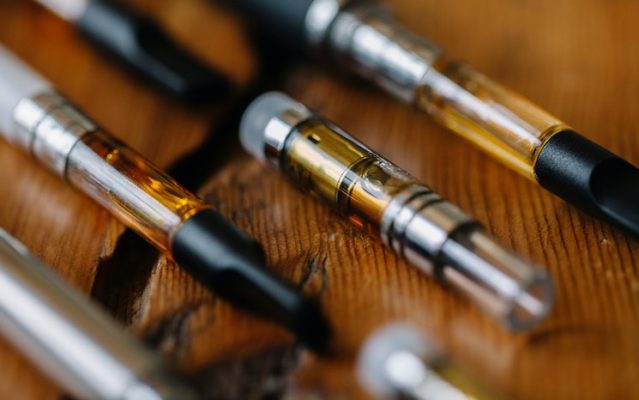
The cartridge itself is part of the quality equation. A clean oil can still perform poorly if the heating element produces burnt flavor, the atomizer overheats, or the tank leaks. Hardware should be checked for material compatibility, airflow behavior, mouthpiece security, and resistance consistency. Proper filling levels and sealed packaging help prevent oxidation, contamination, and customer complaints.
Laboratory Testing And Batch Traceability
Independent laboratory testing provides evidence about what a cartridge contains and whether it meets applicable safety requirements. Common analyses may include cannabinoid potency, terpene content, pesticides, heavy metals, microbial contaminants, mycotoxins, and residual solvents. The exact panel varies by jurisdiction and product type, so a manufacturer should follow the rules where the product is made and sold.
A certificate of analysis, often called a COA, is useful only when it relates clearly to the product in hand. Buyers should check the batch number, testing date, laboratory identity, sample description, and reported results. A generic document covering an earlier production run does not establish the quality of a newer batch. Testing should be part of a repeatable release process rather than a one-time marketing asset.
Traceability links every finished unit to its production history. A robust system can identify the source of the oil, the hardware lot, the filling date, the operators involved, the packaging used, and the laboratory report. If a problem appears, this information allows a company to isolate affected units and manage a recall efficiently instead of guessing which products may be involved.
Comparing Private Label Vape Product Priorities
Different product decisions create different quality risks. A retailer choosing between distillate, live resin, and other cannabis extracts should consider how the oil behaves in hardware, how sensitive it is to heat and oxygen, and how much documentation the manufacturer can provide. The cheapest option at the quotation stage may create higher costs through returns, inconsistent batches, or reputational damage.
| Quality area | What to verify | Warning sign |
|---|---|---|
| Oil composition | Cannabinoid profile, terpene source, and ingredient records | Vague formula or undisclosed additives |
| Potency | Batch-specific laboratory results and acceptable variance | COA does not match the lot number |
| Contaminants | Pesticide, heavy metal, microbial, and solvent screening | Incomplete or unverifiable testing panel |
| Hardware | Material compatibility, airflow, resistance, and leak checks | Frequent clogging, leaking, or burnt taste |
| Manufacturing | Written procedures, sanitation, and fill-weight controls | No documented production process |
| Packaging | Child-resistant, tamper-evident, compliant labeling | Missing warnings or unclear product identity |
| Traceability | Batch codes linked to records and test reports | No reliable recall path |
A comparison like this helps shift attention from appearance to evidence. Premium packaging, a high cannabinoid number, or a popular strain name cannot substitute for manufacturing controls. The strongest private label partnerships are built around measurable specifications that both parties understand before production begins.
Hardware And Oil Must Work Together
Vape oil is not a universal liquid that performs identically in every cartridge. Distillate may have different flow characteristics from live resin or a terpene-rich full-spectrum extract. Temperature, wick design, coil material, and airflow all influence vapor production and flavor. A formula that works well in one device may clog, leak, or burn in another.
Manufacturers should evaluate filled cartridges through stability and performance checks. These can include upright and inverted storage, temperature exposure, transport simulation, draw testing, and inspection for oil migration. The goal is to identify problems before products reach retail shelves. Visual checks can reveal bubbles, separation, discoloration, or inconsistent fill levels, but laboratory and functional testing provide stronger evidence.
Packaging also affects shelf life. Light, oxygen, and heat can degrade certain cannabinoids and terpenes over time. Tight seals, suitable materials, lot coding, storage instructions, and controlled inventory rotation help preserve the intended profile. Retailers should avoid treating cartridges as shelf-stable indefinitely, particularly when the manufacturer has not supplied storage or expiry guidance.
Compliance, Transparency, And Consumer Trust
Private label cannabis brands carry responsibility for more than product taste. Depending on the jurisdiction, regulations may govern manufacturing licenses, health warnings, child-resistant packaging, advertising claims, labeling language, permitted ingredients, track-and-trace systems, and sales channels. A product designed for one market may not be legal or suitable for another.
International shipping claims deserve especially careful review because cannabis laws differ substantially across borders. Customers and retailers should verify local rules before ordering, importing, possessing, or reselling THC products. A company’s delivery statement does not override customs restrictions, national law, or regional licensing requirements. Responsible communication should avoid implying that every destination permits the same products.
Transparency supports confidence when it is specific and verifiable. A brand should be able to explain who manufactures the cartridge, what type of oil it contains, how batches are tested, and how customers can identify the relevant records. Retailers researching product lines can review quality THC products alongside supplier information, while remembering that product claims still need to be assessed against applicable laws and independent evidence.
Customer service also has a quality role. Clear instructions for storage and use, accessible complaint channels, and a documented response process can reveal whether a brand treats post-sale issues seriously. Reports of leaking, unusual taste, irritation, or device failure should be logged and investigated rather than dismissed as isolated inconveniences.
Building A Reliable Private Label Program
A strong program starts with a written product brief. It should define the extract type, target cannabinoid range, terpene approach, cartridge specification, fill weight, packaging requirements, labeling language, storage conditions, and acceptable variance. Setting these details before production prevents misunderstandings between the retailer and contract manufacturer.
Supplier qualification should go beyond price and minimum order quantity. Retailers can examine manufacturing licenses, sanitation procedures, quality management systems, recall policies, laboratory relationships, insurance, and prior production experience. A facility that welcomes audits and provides organized documentation is generally easier to evaluate than one that relies on broad assurances.
Pilot batches are valuable because they expose problems at a manageable scale. A small run can reveal issues with viscosity, airflow, flavor stability, packaging fit, or consumer instructions. Feedback should be reviewed alongside objective measurements, and any formula or hardware change should trigger a fresh evaluation rather than relying on an earlier approval.
Practical checkpoints for a dependable launch include:
- Match every finished batch to a current, verifiable certificate of analysis.
- Confirm that the cartridge hardware is compatible with the chosen oil and heating range.
- Keep written records for ingredients, fill weights, packaging lots, complaints, and corrective actions.
- Use tamper-evident, child-resistant packaging and labels that meet local requirements.
- Establish a recall process before the first commercial shipment, including customer notification procedures.
Where The Market Is Heading
The next phase of private label vape manufacturing is likely to focus on evidence, specialization, and consistency. Brands may differentiate through carefully selected terpene profiles, solventless or live extract options, lower-waste packaging, and hardware designed for smoother temperature control. These features can add value, but only when the underlying formulation and testing remain reliable.
Digital batch verification may also become more common. QR codes can connect customers to product information, testing records, usage guidance, or recall notices. Such tools are useful when the underlying data is current and the code identifies the exact lot. A digital interface should improve transparency, not create the illusion of testing where documentation is incomplete.
As competition increases, quality control can become a meaningful brand advantage rather than a hidden operating cost. Companies that treat testing, traceability, hardware validation, and customer feedback as connected systems are better positioned to maintain trust. The most durable private label brands will be those that make their standards visible and apply them consistently across every product release.
A private label cartridge should earn its position through dependable formulation, safe materials, accurate labeling, and verifiable batch records. Retailers can begin by requesting documentation, inspecting hardware specifications, and comparing laboratory evidence before placing a larger order. Customers can protect themselves by checking packaging details, avoiding damaged products, and following local rules. Build a vape product line around proof rather than promises, and quality control becomes part of the brand customers can recognize.