No products in the cart.
QUALITY THC PORTAL - BUY QUALITY THC PRODUCTS ONLINE - FAST DELIVERY
Welcome to Quality THC Portal. We are premium suppliers of Quality THC Products. We supply in bulk and small quantities the following products; Package weed , Pre-rolls , Vape cartridges and Marijuana concentrates. We deliver to most countries around the world and delivery is fast and secured. Our website is well encrypted to product all your information we receive to process your orders and also we have a well setup and stable customer service team who are always available to assist you incase of any difficulty while trying to make purchase on our website. We are certain you shall enjoy our services.
Best Selling Products
Sale!


CARTRIDGES
Sale!


CARTRIDGES
Sale!

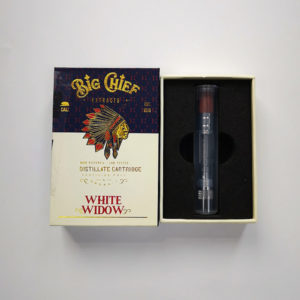
CARTRIDGES
Sale!

CARTRIDGES

HASH
$
70.00
–
$
305.00

CARTRIDGES
$
25.00

CARTRIDGES
$
25.00
Sale!

CARTRIDGES
Browse our categories


our services
free express delivery
When your order is more than $299, you receive FREE express delivery and can look forward to the worlds best medical marijuana and associate products delivered directly to your door
Exquisite Collection
We’re extremely picky about product quality & our collection is constantly being refined & is comprised of the finest buds known to humankind
Top-notch Support
We pride ourselves in providing exceptional support and we’re among the few offering dedicated 24/7 chat support to our valued customers.
Shipping THC Across International Borders: Laws and Risks
International shipping of THC products sits at the intersection of controlled-substance law, customs regulation, transportation rules, and consumer protection requirements. A product that is permitted for adult use in one jurisdiction may be prohibited entirely in the destination country, even when the shipment is small, sealed, and intended for personal use.
The legal position can also depend on the product’s chemical profile, its concentration, its source, and the way it is described on customs documents. Flower, vape cartridges, live resin, hash, edibles, and other concentrates may be treated differently under the same national framework. Postal services and private couriers can impose additional restrictions beyond government law.
For that reason, international THC logistics should never be assessed solely by looking at the laws of the country where an order begins. The route, transit countries, destination territory, carrier terms, and import licensing rules all matter. Businesses and consumers should obtain current advice from qualified legal and customs professionals before attempting a cross-border shipment.
Why international THC shipping is legally complex
Cannabis laws are not standardized across borders. Some countries permit medical cannabis under tightly controlled programs, while others prohibit cannabis in every form. A country may allow domestic possession but still ban imports, or permit low-THC hemp while treating intoxicating cannabis as a controlled drug.
The difference between legality and enforcement is also important. Customs authorities may have broad powers to inspect, detain, seize, or refer a package for investigation. A shipment that appears routine in the origin country can therefore create criminal, civil, or administrative exposure when it enters another jurisdiction.
International mail routes add another layer of uncertainty. Packages may pass through intermediate countries, airports, free-trade zones, or sorting centers governed by different rules. Even if the final destination has a regulated cannabis market, transit through a jurisdiction with strict prohibition can create a separate legal issue.
How national laws treat THC products
A useful starting point is to separate four questions: whether possession is legal, whether sale is legal, whether importation is legal, and whether the specific product meets technical requirements. These permissions do not automatically travel together. A country may authorize licensed domestic sales while banning private imports from abroad.
THC concentration can affect classification, but numerical thresholds are not globally consistent. Some jurisdictions distinguish marijuana from hemp based on delta-9 THC content, while others regulate total THC, potential THC, or the plant’s source. Rules may also cover other cannabinoids, synthetic compounds, and converted cannabinoids such as delta-8 THC.
Product form matters as well. A dried flower shipment may be classified differently from a cartridge containing an oil, and an edible may trigger food, pharmaceutical, or novel-substance rules in addition to drug controls. Concentrates can attract heightened scrutiny because of their potency, processing method, and flammability or chemical-handling concerns.
| Legal factor | Why it matters | Typical compliance concern |
|---|---|---|
| THC concentration | May determine whether a product falls under cannabis, hemp, or another controlled category | Laboratory testing and reliable certificates of analysis |
| Product form | Flower, oil, edible, hash, and concentrates may follow separate rules | Product-specific import restrictions |
| Destination law | Import rules may be stricter than domestic possession rules | Import permits, licensing, or total prohibition |
| Transit route | Intermediate countries can apply their own controlled-substance laws | Route screening and carrier restrictions |
| Packaging and labels | Incorrect descriptions can lead to seizure or allegations of misdeclaration | Accurate, compliant commercial documentation |
| Carrier policy | Postal operators and couriers may ban cannabis even where a government permit exists | Written confirmation of service eligibility |
| Commercial purpose | Wholesale shipments may require permits unavailable to individuals | Business licensing, tax registration, and customs representation |
Customs, carriers, and border enforcement
Customs agencies generally examine whether a shipment is accurately declared, legally admissible, and supported by required documentation. Mislabeling THC products as generic supplements, essential oils, cosmetics, or samples can create serious problems. An inaccurate declaration may be treated as concealment or fraud rather than as a simple paperwork error.
Carrier policies can be stricter than the law. Postal services, express couriers, freight companies, and fulfillment providers often prohibit cannabis, cannabis extracts, or products containing controlled cannabinoids in their terms of service. Some accept hemp-derived goods only if strict testing, labeling, and origin requirements are met.
A shipping label, tracking number, or “discreet packaging” promise does not change the legal status of the contents. Nor does a declaration that a package is for personal use. Customs officers can inspect contents, request records, and apply local rules regardless of how the sender characterizes the transaction.
Businesses should also consider the effect of payment processors, insurance providers, warehouse operators, and marketplace platforms. These participants may suspend service when a transaction involves restricted goods, even where the seller believes the shipment is lawful. A compliant supply chain therefore requires more than finding a carrier willing to accept a parcel.
Product evidence and documentation
Laboratory documentation is central to determining what a product contains. A current certificate of analysis should identify the tested batch, cannabinoid profile, THC concentration, testing methods, and relevant contaminants. However, a certificate does not itself create an import right. It supports classification and due diligence but cannot override a destination-country prohibition.
Commercial shipments may require invoices, packing lists, certificates of origin, import permits, export permits, licenses, product registrations, and customs declarations. Medical cannabis shipments can involve prescriptions, patient authorizations, specialist approvals, or government-issued permissions. These requirements vary substantially and may apply before the goods leave the origin country.
Labels should accurately state the product type, net quantity, ingredients, batch information, and THC or cannabinoid content where required. Claims about health effects can trigger additional regulation, particularly if a product is marketed as treating pain, anxiety, insomnia, or another condition. Marketing language can influence whether authorities view an item as a food, supplement, medicine, or controlled substance.
For online buyers examining cannabis products such as cartridges, flower, pre-rolls, or extracts, product information should be treated as only one part of the assessment. An online listing may describe quality, testing, or delivery options, but it does not establish that cross-border importation is lawful. Consumers reviewing a cannabis product catalog should independently verify destination-country rules before placing an international order.
Compliance priorities for sellers and buyers
The safest approach is to establish legality before accepting payment or tendering a package to a carrier. Sellers should map every destination and transit point, identify whether the product is controlled, and confirm the required licenses and permits. Buyers should determine whether they personally may import the product, rather than assuming that a seller’s shipping offer is evidence of authorization.
Written records are valuable when rules are complex or subject to change. Keep copies of classification research, government correspondence, permits, laboratory reports, carrier approvals, invoices, and product specifications. A documented decision-making process can help demonstrate good-faith compliance, although it cannot excuse an unlawful import.
The following priorities can reduce avoidable exposure:
- Verify the destination country, territory, and every likely transit jurisdiction before ordering or shipping.
- Confirm whether the exact product form and THC concentration are permitted for import.
- Obtain current laboratory results and match them to the specific production batch.
- Use only carriers and logistics providers that expressly permit the relevant goods under their written policies.
- Seek advice from a customs broker and a lawyer familiar with controlled substances and international trade.
Compliance should be revisited regularly. Cannabis regulations change through legislation, court decisions, agency guidance, and emergency controls. A route approved several months earlier may become unavailable after a carrier policy change or a new customs directive.
Special risks for medical and commercial shipments
Medical cannabis can have a lawful pathway in some countries, but these pathways are usually narrow. A patient may need to apply in advance, carry a prescription, obtain a permit, or use an approved importer. Personal medical authorization in the origin country generally does not guarantee recognition abroad.
Commercial shipments face additional obligations. Importers may need a controlled-drug license, a pharmaceutical authorization, a customs registration, secure storage, tax documentation, and an approved distribution channel. Wholesale quantities can trigger heightened scrutiny because they suggest commercial intent, even when the sender describes the shipment as a private transaction.
The financial consequences can extend beyond the value of the goods. Customs seizure may result in storage fees, destruction charges, penalties, lost shipping costs, or investigations involving the sender and recipient. Payment disputes can be difficult if the underlying transaction involved restricted goods. Insurance may also exclude confiscation, regulatory violations, or deliberate misrepresentation.
Companies should assess corporate liability as well as individual liability. Directors, employees, fulfillment partners, and customs agents may each have responsibilities under applicable law. A business that delegates shipping to a third party remains responsible for ensuring that its supply chain is lawful and accurately documented.
How to assess a proposed shipment
A structured review can help distinguish a genuinely authorized transaction from a shipment relying on assumptions. Start with the exact product: its source, cannabinoid content, physical form, intended use, packaging, and quantity. Then identify the legal classification in the origin, transit, and destination jurisdictions.
Next, confirm whether the shipment requires government permission. This may involve contacting customs authorities, the relevant health ministry, a controlled-substances regulator, or a licensed customs broker. Informal statements from sellers, social media posts, or generic shipping FAQs should not replace official guidance.
The commercial terms deserve scrutiny too. A promise of international delivery, express shipping, encrypted checkout, or round-the-clock customer service addresses convenience and transaction handling, not import legality. Buyers should look for transparent business information, accurate product testing, clear refund terms, and an explanation of responsibility if customs rejects the parcel.
A lawful route may be available only through licensed importers, approved medical programs, or government-authorized research channels. If the required permission cannot be obtained in advance, proceeding with the shipment can expose all parties to unnecessary legal risk. In many cases, the correct decision is to use a legally authorized domestic supplier instead.
Cross-border THC regulation rewards caution, precise documentation, and jurisdiction-specific research. Before sending or ordering any cannabis product internationally, verify the current rules with the relevant authorities and consult qualified professionals who can assess the exact substance, route, and purpose. Treat international THC delivery as a regulated trade issue rather than an ordinary e-commerce transaction.