No products in the cart.
QUALITY THC PORTAL - BUY QUALITY THC PRODUCTS ONLINE - FAST DELIVERY
Welcome to Quality THC Portal. We are premium suppliers of Quality THC Products. We supply in bulk and small quantities the following products; Package weed , Pre-rolls , Vape cartridges and Marijuana concentrates. We deliver to most countries around the world and delivery is fast and secured. Our website is well encrypted to product all your information we receive to process your orders and also we have a well setup and stable customer service team who are always available to assist you incase of any difficulty while trying to make purchase on our website. We are certain you shall enjoy our services.
Best Selling Products
Sale!


CARTRIDGES
Sale!


CARTRIDGES
Sale!

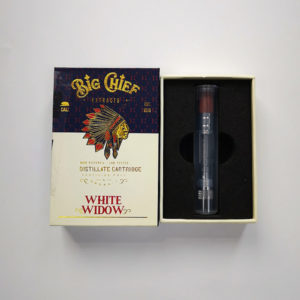
CARTRIDGES
Sale!

CARTRIDGES

HASH
$
70.00
–
$
305.00

CARTRIDGES
$
25.00

CARTRIDGES
$
25.00
Sale!

CARTRIDGES
Browse our categories


our services
free express delivery
When your order is more than $299, you receive FREE express delivery and can look forward to the worlds best medical marijuana and associate products delivered directly to your door
Exquisite Collection
We’re extremely picky about product quality & our collection is constantly being refined & is comprised of the finest buds known to humankind
Top-notch Support
We pride ourselves in providing exceptional support and we’re among the few offering dedicated 24/7 chat support to our valued customers.
How Growing Conditions Shape Cannabis Flavour
Cannabis flavour begins long before harvest. Genetics establish the plant’s potential, while light, temperature, soil, water, humidity and handling determine which terpenes, flavonoids and aromatic compounds become prominent. The same cultivar can taste bright and citrusy in one environment, then earthy, resinous or peppery in another.
For Australian consumers, this matters when comparing flower, hash, live resin and vape products. Climate varies sharply from tropical Cairns to dry Adelaide and cool Melbourne, while local storage, transport and legal requirements can affect the final sensory experience. Understanding cultivation conditions makes it easier to interpret descriptions such as “citrus-forward”, “gassy”, “floral” or “piney” without treating them as fixed promises.
| Growing condition | Likely effect on flavour | Common sensory impressions |
|---|---|---|
| Strong, balanced light | Supports terpene and resin development | Bright, vivid, layered aromas |
| Excessive heat | Can reduce volatile compounds and stress the plant | Flat, harsh or less expressive flavour |
| Cool flowering temperatures | May preserve delicate aromas when managed well | Floral, sweet, herbal or crisp notes |
| Living or mineral-rich soil | Influences plant nutrition and secondary compounds | Earthy, complex, savoury profiles |
| Careful drying and curing | Protects and develops aromatic compounds | Smoother smoke and clearer cultivar character |
| Poor humidity control | Encourages degradation or microbial problems | Musty, stale or unpleasant flavours |
Genetics Set The Starting Point
A cultivar’s genetics provide the blueprint for its terpene profile. Terpenes are aromatic compounds shared across many plants, and they contribute to the scent and flavour associated with cannabis. Limonene may bring lemon or orange notes, myrcene can feel musky and earthy, pinene often suggests pine or fresh herbs, while linalool may add a soft floral quality.
Growing conditions cannot turn every cultivar into something completely different. A plant with strong genetic potential for tropical fruit will usually retain some fruit character, even if it is grown in a less-than-ideal environment. However, the balance between dominant and minor terpenes can shift, changing whether the final product seems sweet, sharp, woody, creamy or fuel-like.
This is why two batches carrying the same cultivar name may not taste identical. Phenotype selection, light intensity, nutrient strategy and harvest timing all influence which aromatic compounds are most noticeable. Product names are useful guides, but batch information and terpene testing offer a more reliable picture when available.
Light Shapes Resin And Aroma
Light provides the energy cannabis plants use to grow and produce flowers. Adequate, evenly distributed light generally supports healthy development and resin production, which can help a flower express a fuller aromatic profile. Indoor growers can adjust intensity and duration, while outdoor crops depend on season, latitude, cloud cover and the position of the growing site.
Too little light may produce smaller flowers and less pronounced aroma. Excessive light or heat can create a different problem: the plant may experience stress, and volatile terpenes can evaporate or degrade if flowers become too hot. Strong sunlight is valuable, but only when paired with appropriate airflow, irrigation and temperature management.
Australian conditions make this balance especially important. Outdoor cultivation in Perth or Brisbane may receive intense sun and high summer temperatures, while a crop in Hobart faces a shorter, cooler growing season. Indoor cultivation allows tighter control, though electricity costs, ventilation and heat management remain practical considerations in the local market.
Temperature And Humidity Preserve Terpenes
Temperature affects both plant metabolism and the stability of aromatic compounds. Moderate conditions during flowering can support steady growth and resin formation, while excessive heat may reduce the intensity of delicate fragrances. Sudden changes can also stress plants, potentially influencing development and creating uneven results across a growing room.
Humidity matters throughout the plant’s life cycle. High humidity can increase the risk of mould and other crop problems, especially in dense flowers with limited airflow. Very dry conditions may slow growth, stress the plant and produce brittle material. Skilled cultivation aims for a stable environment rather than extreme dryness or excessive moisture.
The effect continues after harvest. Drying cannabis too quickly can trap a green, grassy character or remove desirable aroma, while drying too slowly can encourage microbial growth. Proper curing gives moisture time to equalise through the flower and allows harsh plant compounds to settle. For consumers, a clean, fragrant scent and a texture that is neither wet nor dust-dry are useful quality signals.
Soil And Nutrients Influence Complexity
A plant’s root environment affects the nutrients available for growth and the way it develops aromatic compounds. Organic soil systems, living soils and mineral-based nutrient programs can all produce quality cannabis when managed correctly. The method itself does not guarantee a particular flavour; consistency, nutrient balance and plant health are more important than branding.
When nutrition is well managed, flavour may appear layered, with distinct fruit, spice, floral or earthy notes. Imbalances can leave a product tasting harsh, salty or chemically sharp. Excess nitrogen late in the plant’s life is often associated with a greener sensory character, although flavour depends on the complete cultivation and post-harvest process.
Water quality also plays a role. High mineral content, incorrect pH or inconsistent irrigation can limit nutrient uptake and place stress on the plant. In areas such as regional New South Wales or parts of South Australia, growers may need to account for water hardness and seasonal restrictions. These details rarely appear on a retail label, yet they can help explain differences between batches.
Harvest Timing Changes The Profile
The point at which flowers are harvested influences the balance of cannabinoids, terpenes and overall flavour. Earlier harvests may preserve lighter, sharper or more uplifting aromatic impressions, while later harvests can produce deeper, heavier and more rounded notes. There is no single harvest point that suits every cultivar or consumer preference.
Trichomes are often examined as part of harvest decisions, but visual appearance alone cannot reveal every detail. Terpene preservation, flower maturity, plant health and the intended product all matter. Material destined for live resin may be handled differently from flower intended for a long retail shelf life, because extraction aims to capture a broader portion of the fresh plant’s aromatic character.
This distinction is useful when comparing categories. A well-cured flower may offer a gradual release of aroma as it is ground, whereas live resin can deliver a more concentrated and immediate terpene experience. Hash may emphasise resinous, spicy or earthy tones, while a vape cartridge’s flavour also depends on extraction, filtration and the cartridge hardware.
Post-Harvest Handling Can Make Or Break Flavour
Drying, curing, trimming, storage and transport often determine whether a promising crop reaches consumers with its intended character. Light, oxygen, heat and moisture can all degrade cannabinoids and terpenes over time. Airtight packaging, suitable humidity control and protection from direct sunlight help preserve freshness.
Storage is particularly relevant in Australia, where parcels may travel through hot environments during summer. A product transported from a warehouse to Sydney, Melbourne or Darwin can experience different temperature conditions before it reaches the customer. Retailers and consumers should treat prolonged heat exposure as a potential quality issue, especially for concentrates and cartridges.
Packaging should provide enough information to assess freshness, such as a batch date, product type and storage guidance. When concerns arise about aroma, consistency or suspected degradation, keeping the packaging and batch details makes a support conversation more productive. A practical resource on product concerns can help customers describe an issue clearly without relying on vague terms such as “bad” or “weak”.
Reading Flavour Descriptions With Care
Words used in cannabis marketing are sensory shorthand rather than guarantees. “Citrus” may mean lemon peel, sweet orange or a sharp sour note; “diesel” can range from solvent-like pungency to a mild fuel aroma; “cream” may describe a soft, buttery impression rather than an actual flavouring. Individual perception also varies, and the method of consumption changes what reaches the palate.
For a better comparison, look for cultivar name, harvest or packaging date, terpene information and a clear description of the product format. Flower quality is influenced by the entire supply chain, while extracts involve additional variables such as solventless or hydrocarbon processing, filtration, storage and formulation. A retailer’s cannabis product range may include several formats, but each should be assessed according to its own production and storage requirements.
Australian buyers should also distinguish sensory education from legal advice. Cannabis laws differ between states and territories, and possession, cultivation, importation and supply may be regulated in separate ways. Medical cannabis access operates through authorised pathways, while recreational supply remains restricted in many parts of the country. Check current Australian and state-based rules before ordering, possessing or using any cannabis product.
Flavour is ultimately a record of the plant’s journey. Genetics set the possibilities, growing conditions shape the chemistry, and post-harvest care determines how much of that chemistry survives. By paying attention to terpene descriptions, freshness, packaging and product type, consumers can make more informed comparisons and recognise why a familiar cultivar may taste different from one batch to the next.
For the clearest experience, store products in a cool, dark and secure place, follow applicable Australian laws, and record the aromas and flavours you notice across different batches. Comparing those observations with cultivation and terpene information can turn a simple product choice into a more reliable understanding of quality.