No products in the cart.
QUALITY THC PORTAL - BUY QUALITY THC PRODUCTS ONLINE - FAST DELIVERY
Welcome to Quality THC Portal. We are premium suppliers of Quality THC Products. We supply in bulk and small quantities the following products; Package weed , Pre-rolls , Vape cartridges and Marijuana concentrates. We deliver to most countries around the world and delivery is fast and secured. Our website is well encrypted to product all your information we receive to process your orders and also we have a well setup and stable customer service team who are always available to assist you incase of any difficulty while trying to make purchase on our website. We are certain you shall enjoy our services.
Best Selling Products
Sale!


CARTRIDGES
Sale!

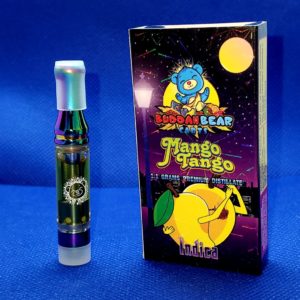
CARTRIDGES
Sale!

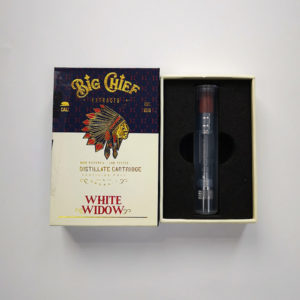
CARTRIDGES
Sale!

CARTRIDGES

HASH
$
70.00
–
$
305.00

CARTRIDGES
$
25.00

CARTRIDGES
$
25.00
Sale!

CARTRIDGES
Browse our categories


our services
free express delivery
When your order is more than $299, you receive FREE express delivery and can look forward to the worlds best medical marijuana and associate products delivered directly to your door
Exquisite Collection
We’re extremely picky about product quality & our collection is constantly being refined & is comprised of the finest buds known to humankind
Top-notch Support
We pride ourselves in providing exceptional support and we’re among the few offering dedicated 24/7 chat support to our valued customers.
How UV Light Degrades THC and How to Protect Your Products
UV exposure is one of the most easily overlooked threats to cannabis products. THC is photochemically reactive: ultraviolet radiation can alter its molecular structure, reducing the amount of intact THC while changing aroma, flavour, and the balance of compounds in flower, an extract, or a cartridge. Protection is therefore an issue of product quality from manufacture through storage, sale, and delivery, not simply a concern for the moment a container is opened.
Good packaging gives THC products a meaningful defence against light. Vape cartridges, pre-rolls, flower, hash, live resin, and other concentrates can spend long periods in warehouses, parcel networks, shop counters, and cupboards before use. Clear jars and transparent bags make products visible, but visibility can come at a cost. Light-stable containers, controlled handling, and clear storage guidance help preserve potency and reduce avoidable damage, whether a buyer chooses a small quantity or a bulk order.
Australian conditions make this particularly relevant. The country’s UV index can be extreme, and sunlight is intense even in cities such as Sydney, Melbourne, Brisbane, and Perth. East-facing apartment windows, west-facing balconies, glass-front displays, and parked vehicles can all create hot, bright microclimates. A product may feel protected inside a building yet sit beside a sunny window or in a car boot for hours during a commute, weekend shop, or surf trip.
Legal rules also shape how these products should be handled. The ACT has a regulated adult cannabis market, while most other states and territories permit cannabis only through authorised medicinal pathways. Medicinal products are regulated through frameworks including the Australian Register of Therapeutic Goods, and recreational possession remains illegal outside the ACT. An international delivery claim does not override destination laws or customs controls, so Australian buyers should check their jurisdiction and use only authorised, lawful supply routes.
Why UV Changes Cannabinoid Chemistry
When THC is exposed to ultraviolet light, a photochemical conversion begins. One common result is the formation of cannabinol, or CBN, from THC. CBN is associated with a different sensory profile and is not simply an interchangeable form of THC. As conversion progresses, measured THC potency can fall, the aroma may become more muted or altered, and the original balance of cannabinoids and terpenes can shift. This process happens at the molecular level, so a factory seal cannot protect a product after prolonged light exposure has already occurred.
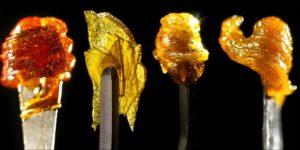
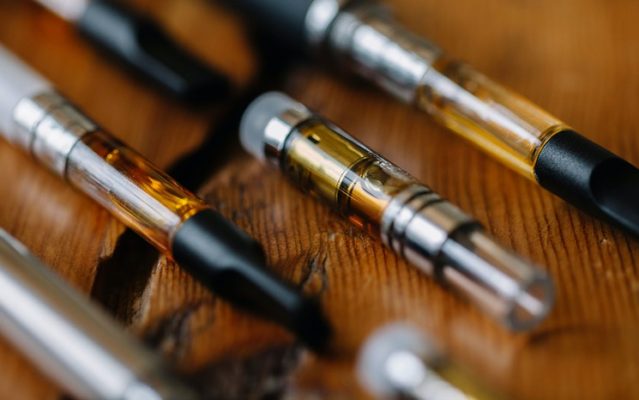
The rate of change varies by format. Flower has surface area and plant material that can intercept light, while hash and live resin depend more heavily on the opacity and stability of their container. Cartridge packaging adds another layer because the oil, glass, seals, and mouthpiece can each affect how much light reaches the contents. Some extracts are also more vulnerable to oxidation, heat, and moisture than others, which means a general statement about cannabis storage is rarely enough; the maker’s instructions should take priority.
Degradation does not always make a product immediately unsafe, but it can make it less predictable and less pleasant to use. A weakened aroma or changed viscosity may be the first visible clue. Products should be stored and evaluated according to their labelled use-by or storage guidance, and consumers should avoid assuming that a familiar name on a marketplace guarantees the contents of the package. Maintaining an intact seal, the correct batch information, and a cool storage history is the practical foundation of quality control.
Heat, Oxygen, and Moisture Work Together
UV light is rarely acting alone. Heat speeds up chemical reactions, oxygen supports oxidation, and moisture can encourage mould or change the texture of plant material. A transparent cartridge sitting on a warm shelf is exposed to all three pressures over time. The same is true of a bag of flower packed in a hot delivery locker or an extract stored near a kitchen window. Protection works best when light, temperature, air exchange, and humidity are managed as a single system rather than separate boxes on a packing list.
Australian weather adds several familiar complications. Sydney and Melbourne summers can heat a car interior quickly, while Perth’s dry heat raises the risk of evaporation and seal stress. Brisbane’s humidity and the wet-season conditions in northern Australia can introduce moisture, while Tasmania and southern Victoria can experience sharp temperature changes. These are the sorts of conditions behind everyday habits such as collecting parcels from an exposed front step, using communal apartment mailrooms, or taking a sealed item to a beach, barbecue, or festival. Even a shaded handbag may not remain cool or dark for long.
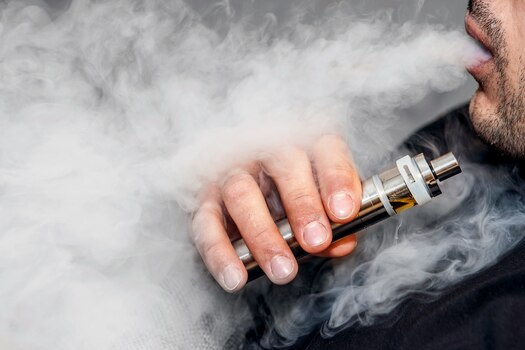
For vaping products, formulation and packaging matter as well. Understanding spectrum vape differences helps consumers identify what a cartridge contains, but those labels do not indicate how well it is protected from ultraviolet radiation. Whether broad-spectrum or full-spectrum, a cartridge needs an opaque outer package, a properly sealed housing, and a stable temperature. Buyers should inspect the closure and outer pack for damage and follow the storage directions supplied for that particular product.
Storage Conditions for Every THC Format
At home, the safest location is usually a cool, dry, dark cupboard that stays at a stable temperature. It should be away from windows, glass doors, halogen lamps, kitchen appliances, and direct sun. The product can remain in its original light-protective container or be transferred only to an opaque, airtight jar that closes properly. For legal medicinal products, keep the original pharmacy label and packaging so the medication remains identifiable, stored as directed, and safely handled if it is needed.
Different formats call for small adjustments. Flower and pre-rolls need protection from both light and fluctuating humidity. Hash and live resin should stay sealed so their texture does not absorb moisture or lose volatile compounds. Cartridges should remain upright if the manufacturer specifies it, with the mouthpiece protected from dust and the outer package intact. Refrigeration is not automatically better: condensation can form when a chilled container is opened, and some concentrates can suffer texture changes. If a producer or pharmacy permits refrigeration, the product should be sealed before chilling and returned to the recommended temperature before opening.
Receiving a delivery is itself a storage decision. In many Australian suburbs, couriers leave parcels in a sunlit porch, at a parcel locker, in a mailbox, or near a communal entrance. Someone available at the door can move the package indoors promptly. If a safe indoor location is unavailable, the order should not simply be left in the sun. Follow the retailer’s delivery guidance, check the package for heat or pressure damage, and do not accept a visibly compromised seal. For cross-border orders, lawful import rules and carrier procedures come before any convenience consideration.
Packaging, Handling, and Chain of Custody
The strongest protection begins before a product reaches a customer. Warehouses, distributors, and retailers should keep stock off the floor, away from loading bays and direct daylight, and at a stable temperature. Cartridge cartons, jars, and bags should have UV-resistant liners or opaque outer sleeves. After a customer opens a bulk container, it should be divided into smaller, properly sealed portions only if the producer permits it, because repeated opening increases both light exposure and the chance of contamination. Choosing a smaller package can reduce the amount exposed to repeated opening, provided each container remains light-safe.
Provenance is a separate part of quality assurance. At the cultivation end of the chain, seed identity and consistency matter. Espanet Plus can be consulted for seed-focused background, but it cannot verify the potency, cleanliness, or storage history of a finished cartridge, jar, or pre-roll. Those claims need records tied to the actual batch being sold, including the product name, batch or lot identifier, cannabinoid profile, test date where applicable, and the responsible supplier.
A credible supply chain should make those records obtainable without guesswork. Retail staff should be able to explain whether packaging is standard for a product line, whether a batch has been exposed to excessive heat, and whether instructions differ for particular formats. Customers should be given storage directions in plain language and given a direct way to report a broken seal, leaking cartridge, damaged box, or unclear label. Good documentation does not guarantee perfection, but it gives buyers a way to trace an issue rather than relying on visual impressions alone.
A Practical Light-Safe Routine
A workable routine is straightforward. Buy from sellers that describe the packaging and provide batch-level information. Keep products in their supplied containers, or use an opaque jar that closes securely. Store the container in a stable indoor cupboard, not a vehicle, windowsill, balcony, or exposed parcel locker. Check the seal and contents when the order arrives, and record any damage before use. For medicinal cannabis, follow the pharmacy label and ask the pharmacist or prescriber if storage requirements are unclear.
Live chat can help with questions that photographs alone cannot answer. A buyer can ask whether the packaging is light-protective, whether the batch is the one described in the listing, and what to do if the seal is broken or the contents appear discoloured. This guide to customer support verification sets out the kind of evidence to request and how to use customer support to check a product’s authenticity. A 24/7 service may be convenient across Australian time zones, but it should provide verifiable information rather than vague assurances.
Before ordering, check the destination, product category, and quantity against Australian law and the retailer’s stated delivery policy. Do not treat encrypted checkout or international shipping as proof that an order is lawful in Australia. Browse the available vape cartridges, flower, pre-rolls, hash, live resin, and other concentrates at Quality THC Portal, select a lawful destination and suitable quantity, and use live chat to confirm light-protective packaging before checkout. Check whether your basket qualifies for free express shipping on a larger order, and arrange a prompt, shaded handover so the parcel does not wait in the sun.