No products in the cart.
QUALITY THC PORTAL - BUY QUALITY THC PRODUCTS ONLINE - FAST DELIVERY
Welcome to Quality THC Portal. We are premium suppliers of Quality THC Products. We supply in bulk and small quantities the following products; Package weed , Pre-rolls , Vape cartridges and Marijuana concentrates. We deliver to most countries around the world and delivery is fast and secured. Our website is well encrypted to product all your information we receive to process your orders and also we have a well setup and stable customer service team who are always available to assist you incase of any difficulty while trying to make purchase on our website. We are certain you shall enjoy our services.
Best Selling Products
Sale!


CARTRIDGES
Sale!

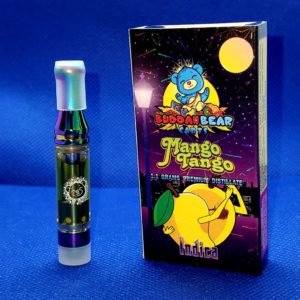
CARTRIDGES
Sale!

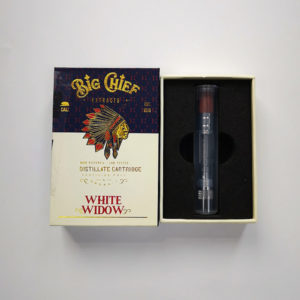
CARTRIDGES
Sale!

CARTRIDGES

HASH
$
70.00
–
$
305.00

CARTRIDGES
$
25.00

CARTRIDGES
$
25.00
Sale!

CARTRIDGES
Browse our categories


our services
free express delivery
When your order is more than $299, you receive FREE express delivery and can look forward to the worlds best medical marijuana and associate products delivered directly to your door
Exquisite Collection
We’re extremely picky about product quality & our collection is constantly being refined & is comprised of the finest buds known to humankind
Top-notch Support
We pride ourselves in providing exceptional support and we’re among the few offering dedicated 24/7 chat support to our valued customers.
Vaping vs smoking flower: health considerations for cannabis users
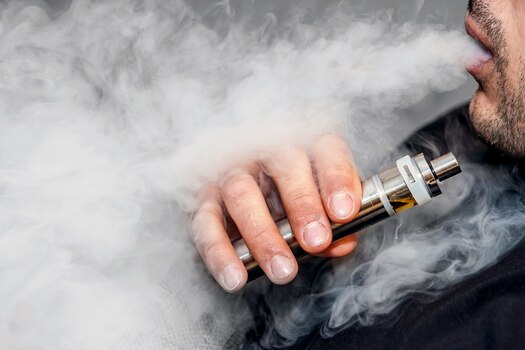
Choosing between a vape cartridge and smoked cannabis flower can affect how quickly THC takes effect, how long the experience lasts, and what substances enter the lungs. The biggest health distinction is combustion: burning flower creates smoke, while vaping heats cannabis material or oil to produce an aerosol. Neither route is risk-free, and the device, product quality, temperature, frequency of use, and personal health all matter.
Smoking has been used as a traditional cannabis delivery method for generations, including through joints, pipes, bongs, and pre-rolls. However, familiar does not mean harmless. Smoke contains fine particles, carbon monoxide, and irritant compounds that can affect the respiratory system. People who want to compare pre-roll convenience with preparing flower themselves may also find this overview of pre-roll pros and cons useful.
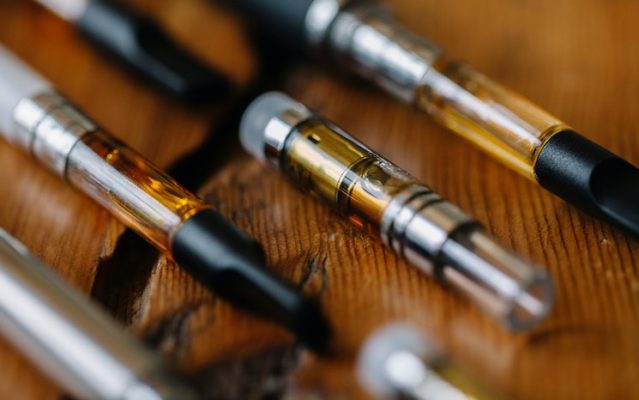
Vaping is often viewed as a cleaner alternative because it avoids direct burning, but that description can create false confidence. Oil cartridges may contain concentrated THC, thinning agents, flavor compounds, or contaminants if they are poorly manufactured. A sensible comparison should therefore consider both the potential reduction in combustion exposure and the separate risks associated with inhaling heated oils or aerosols.
What combustion does to the lungs
When cannabis flower burns, temperatures become high enough to create smoke rather than simply release cannabinoids and terpenes. That smoke carries particulate matter and gases into the airways. Regular exposure may contribute to coughing, throat irritation, phlegm, wheezing, and short-term airway inflammation. Deep inhalation and breath-holding can increase the amount of particulate material deposited in the lungs.
Cannabis smoke also contains many of the same irritating and toxic combustion products found in tobacco smoke, although the pattern of use may differ. A person who smokes cannabis occasionally has a different exposure profile from someone who uses it several times a day, yet frequent smoking still places repeated stress on the respiratory tract. Combining cannabis with tobacco can add nicotine dependence and substantially increase smoke exposure.
Smoking can also be risky for people with asthma, chronic bronchitis, emphysema, or other lung conditions. Smoke may trigger coughing or bronchospasm, and sharing mouthpieces can make infection control more difficult. A water pipe can cool smoke and make it feel smoother, but it does not remove all particulate matter or eliminate carbon monoxide and other combustion byproducts.
How vaping changes the exposure profile
A dry-herb vaporizer heats flower below the point of combustion, while a cartridge vaporizer heats cannabis oil or concentrate. In both cases, the goal is to produce an inhalable aerosol with fewer combustion products than traditional smoke. This may reduce exposure to tar-like particulate matter and carbon monoxide, particularly when a well-designed device is used at an appropriate temperature.
The phrase “fewer combustion products” should not be confused with “safe for the lungs.” Vapor aerosols can still irritate the airways, and heating may cause chemical changes in oils, flavorings, or hardware components. Some devices may release metals or other unwanted substances if their coils, seals, or cartridges are damaged, overheated, or poorly manufactured.
Oil cartridges also make high-dose THC consumption easy. A few inhalations can deliver much more THC than a small amount of flower, especially when the oil is highly concentrated. Rapid intake may increase the chance of anxiety, panic, dizziness, impaired coordination, nausea, or an unpleasantly intense experience. The aerosol may feel smoother than smoke, which can encourage longer or more frequent sessions.
Comparing respiratory and cannabis-related risks
The health profile of a cannabis product depends on two separate questions: what enters the lungs, and what THC does throughout the body. Switching away from combustion may reduce some respiratory hazards, but it does not remove the risks of intoxication, dependence, impaired driving, or adverse mental and cardiovascular effects.
| Consideration | Smoking flower | Vaping cannabis |
|---|---|---|
| Main inhalation product | Combustion smoke | Aerosol from heated flower or oil |
| Combustion exposure | High | Lower when the device avoids burning |
| Lung irritation | Common with frequent use | Possible, especially with contaminated or overheated products |
| THC concentration | Usually lower than concentrates, but variable | Often high in oil cartridges and distillates |
| Dose control | Can be difficult with deep or repeated inhalation | May be difficult because vapor feels smooth and acts quickly |
| Product concerns | Mold, pesticides, ash, and smoke exposure | Contaminants, additives, defective hardware, and counterfeit oils |
| Odor and residue | Stronger odor and more visible smoke | Usually less odor, though aerosol still disperses chemicals |
| Key harm-reduction focus | Avoid combustion and smoke sharing | Use regulated products and avoid modified or illicit cartridges |
Smoking also creates secondhand smoke, which can affect people nearby and leave residue on indoor surfaces. Vaping generally produces less persistent odor, but secondhand aerosol is not simply clean air. Children, pregnant people, pets, and people with respiratory sensitivities should not be exposed to either smoke or vapor.
Cannabis may temporarily raise heart rate and can cause lightheadedness, especially when a person stands quickly, uses a large dose, or combines THC with alcohol or other substances. People with cardiovascular disease, a history of fainting, or medication interactions should discuss cannabis use with a qualified clinician. Anyone who develops chest pain, severe shortness of breath, confusion, or persistent vomiting after using a product needs urgent medical attention.
Product quality and device safety matter
A regulated product with a clear ingredient list, batch information, and independent laboratory testing offers more information than an unverified cartridge or loose concentrate. Testing may screen for potency, pesticides, residual solvents, heavy metals, microbial contamination, and other unwanted substances. Results are most useful when they are specific to the batch rather than presented as a generic certificate.
Unregulated vape products deserve particular caution. The 2019 outbreak of vaping-associated lung injury was strongly linked to vitamin E acetate in illicit THC vaping products, although other ingredients and manufacturing factors may also have contributed. That history demonstrates why informal cartridges, refilled disposables, modified oils, and products with no traceable source can carry significant uncertainty.
Hardware should be inspected before use. Leaking oil, a burnt taste, unusual discoloration, damaged batteries, excessive heat, or a malfunctioning charger are reasons to stop using the device. A cartridge should never be altered with household oils or solvents, and a vape battery should be charged according to the manufacturer’s instructions and kept away from extreme heat.
Storage is part of safety as well. Keep cannabis products in their original, child-resistant packaging and away from children and pets. Concentrated oils and edibles can be particularly dangerous if mistaken for ordinary consumer products. Clear labeling, secure storage, and avoiding shared devices help reduce preventable exposures.
Lower-risk choices for people who use cannabis
No inhaled cannabis method is risk-free, but practical choices can reduce avoidable harm. The most effective option for lung health is not inhaling smoke or vapor at all. Non-inhaled products avoid respiratory exposure, although their delayed onset and longer duration create a different set of dosing concerns. People who choose inhalation should use the smallest amount that produces the desired effect and wait before taking more.
Helpful precautions include:
- Choose products from legal or otherwise verifiable sources with batch-specific testing and complete ingredient information.
- Avoid mixing cannabis with tobacco, alcohol, sedatives, or other intoxicating substances.
- Do not drive, cycle in traffic, operate machinery, or make safety-sensitive decisions while impaired.
- Avoid breath-holding and very deep inhalations, which can increase lung exposure without reliably improving effects.
- Stop using a product if it causes persistent coughing, chest discomfort, unusual shortness of breath, or a chemical taste.
Lower temperatures may reduce scorching in a dry-herb vaporizer, but temperature settings do not guarantee that every compound is harmless. Users should follow the device manufacturer’s instructions rather than modifying hardware to produce larger clouds. With cartridges, frequent small puffs may make dose tracking easier than repeated long draws, but the high potency of many oils still requires caution.
It is also worth monitoring patterns of use. Needing cannabis to feel normal, using more than intended, struggling to cut down, or continuing despite work, relationship, respiratory, or financial problems can indicate cannabis use disorder. A healthcare professional or substance-use counselor can provide confidential support without requiring a person to manage the issue alone.
Special considerations for adolescents and vulnerable groups
Younger people may be more sensitive to the effects of high-potency THC, particularly with frequent use. Adolescence is a period of ongoing brain development, and regular cannabis exposure has been associated with problems involving attention, learning, memory, and motivation in some users. Vaping can make concentrated cannabis discreet and easy to use, potentially increasing access and frequency.
Pregnant or breastfeeding people should avoid cannabis unless a qualified clinician provides specific medical guidance. THC can cross the placenta, and concerns also exist about exposure during breastfeeding. People with a personal or family history of psychosis, bipolar disorder, severe anxiety, or panic should seek professional advice before using THC because it may worsen symptoms in some individuals.
Those taking prescription medicines should consider potential interactions. Cannabis can affect alertness, coordination, blood pressure, and heart rate, while THC and other cannabinoids may influence how the body processes certain medicines. A pharmacist or physician can review the specific product, dose, and medication list more reliably than a general online claim.
People with chronic lung disease, heart disease, immune suppression, or a history of severe reactions to cannabis should treat inhalation as a medical decision rather than a casual product preference. A clinician can help weigh alternative routes, symptom goals, and safer dosing strategies.
Making an informed choice
For respiratory exposure, avoiding combustion is generally preferable to smoking flower. A regulated dry-herb vaporizer may reduce smoke-related irritants, while a tested cartridge may avoid some combustion byproducts. Yet oil vaping can involve higher THC concentrations, uncertain additives, and device-related contaminants, so the apparent advantage depends heavily on sourcing and use.
Smoking flower remains a direct and familiar route, but frequent inhalation exposes the lungs to combustion products. Vaping may produce fewer of those products, but it is not harmless or automatically healthier. The most responsible decision considers frequency, dose, product transparency, personal health, and whether non-inhaled options could meet the same purpose.
Use cannabis only where it is legal, select products with verifiable testing, and treat new or unusually potent formulations cautiously. If breathing symptoms, repeated intoxication, dependence concerns, or medication questions arise, contact a healthcare professional promptly. A careful approach can reduce unnecessary exposure while keeping the limits and uncertainties of current evidence in view.