No products in the cart.
QUALITY THC PORTAL - BUY QUALITY THC PRODUCTS ONLINE - FAST DELIVERY
Welcome to Quality THC Portal. We are premium suppliers of Quality THC Products. We supply in bulk and small quantities the following products; Package weed , Pre-rolls , Vape cartridges and Marijuana concentrates. We deliver to most countries around the world and delivery is fast and secured. Our website is well encrypted to product all your information we receive to process your orders and also we have a well setup and stable customer service team who are always available to assist you incase of any difficulty while trying to make purchase on our website. We are certain you shall enjoy our services.
Best Selling Products
Sale!


CARTRIDGES
Sale!


CARTRIDGES
Sale!

CARTRIDGES
Sale!

CARTRIDGES

HASH
$
70.00
–
$
305.00

CARTRIDGES
$
25.00

CARTRIDGES
$
25.00
Sale!

CARTRIDGES
Browse our categories


our services
free express delivery
When your order is more than $299, you receive FREE express delivery and can look forward to the worlds best medical marijuana and associate products delivered directly to your door
Exquisite Collection
We’re extremely picky about product quality & our collection is constantly being refined & is comprised of the finest buds known to humankind
Top-notch Support
We pride ourselves in providing exceptional support and we’re among the few offering dedicated 24/7 chat support to our valued customers.
Solvent And Solventless Vape Oil Explained
Vape oil can look simple in a cartridge, yet its production method strongly affects flavour, texture, potency, and price. The key distinction is whether cannabinoids and terpenes were separated with a chemical solvent or collected through pressure, heat, ice, or another mechanical process. Learn more about Espanet Plus.com.
For Australian consumers, the label deserves particular attention. Cannabis products are regulated differently from ordinary wellness goods, and recreational THC remains illegal across Australia. Medicinal cannabis is generally accessed through an authorised prescriber, so product information should support informed decisions rather than encourage unapproved purchasing or importation.
| Feature | Solvent-Based Vape Oil | Solventless Vape Oil |
|---|---|---|
| Extraction method | Uses hydrocarbons, ethanol, or CO₂ | Uses heat, pressure, ice, or filtration |
| Common examples | Distillate, live resin, cured resin | Rosin, live rosin, hash rosin |
| Flavour profile | Can be clean and neutral or rich and strain-specific | Often fuller, resinous, and terpene-forward |
| Texture | Usually highly fluid and cartridge-friendly | May be thicker and more demanding of hardware |
| Main quality concern | Residual solvents and post-processing | Purity, stability, viscosity, and contamination |
| Typical price | Often more affordable | Usually more expensive due to lower yields |
| Best assessment | Lab results and formulation details | Lab results, storage, and cartridge performance |
What Solvent-Based Vape Oil Means
Solvent-based extraction uses a liquid or pressurised compound to dissolve cannabis compounds from plant material. Butane, propane, ethanol, and carbon dioxide are among the substances used in commercial extraction. The resulting extract can be refined into distillate, preserved as live resin, or blended with terpenes to produce a consistent vape formulation.
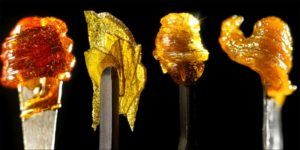
Distillate is one of the most familiar examples. It is processed to concentrate THC and may have a relatively mild aroma after purification, which makes it easy to formulate for cartridges. Live resin and cured resin retain more of the plant’s aromatic compounds, although they still rely on a solvent extraction stage. The final oil may be filtered, refined, winterised, or mixed with cannabis-derived terpenes.
A solvent does not automatically make an oil unsafe. Professional extraction depends on controlled equipment, suitable processing conditions, and testing for residual solvents, pesticides, heavy metals, microbial contamination, and potency. The concern arises when a product gives no reliable batch information or makes broad claims without showing independent test results.
How Solventless Extracts Are Made
Solventless vape oil is produced without butane, propane, ethanol, or CO₂ as the extracting medium. Producers may use ice-water separation to collect trichomes, then apply controlled heat and pressure to create rosin. Hash rosin begins with concentrated trichomes, while live rosin is commonly made from fresh-frozen cannabis to preserve volatile aromatic compounds.
The term “solventless” does not mean that the product is untouched or free from every processing aid. Water, ice, heat, pressure, filtration screens, and parchment or collection surfaces may all be involved. It also does not prove that a cartridge is pure, potent, or suitable for inhalation. A poor-quality solventless extract can still contain plant debris, excess moisture, contaminants, or an unstable mixture.
Because rosin is often thicker than distillate, manufacturers may need to select hardware carefully. A cartridge with a suitable ceramic heating element can handle some viscous extracts better than a basic wick design. Incorrect storage, excessive heat, or repeated long draws may darken the oil and change its flavour.
Flavour, Potency, And The Entourage Profile
The most noticeable difference for many users is flavour. Solvent-based products can be highly refined and predictable, especially when distillate is paired with added terpenes. Resin products may provide more pronounced citrus, pine, earth, or fuel notes because a greater portion of the plant’s aromatic profile has been retained.
Solventless oils are often valued for a rounded, fresh, and strain-specific character. The experience depends on the starting material, freshness, extraction conditions, filtration, and storage. A premium label is not a guarantee of a better result; two rosin cartridges can perform very differently even when they use similar terminology.
Potency should be interpreted alongside the broader cannabinoid and terpene profile. A cartridge with a high THC percentage may feel less distinctive than a lower-potency extract with a more complete aromatic profile. For medical users in Australia, the prescribed product, dosage, delivery method, and clinician’s instructions take priority over marketing language about an “entourage effect.”
Key label details worth checking include:
- THC and CBD concentration, preferably supported by a batch-specific certificate
- The extract type, such as distillate, live resin, rosin, or hash rosin
- Whether terpenes are cannabis-derived, botanical, or unspecified
- Ingredients added for flavour, thinning, viscosity, or hardware compatibility
- Batch number, production date, expiry guidance, and storage instructions
Cartridge Performance And Everyday Use
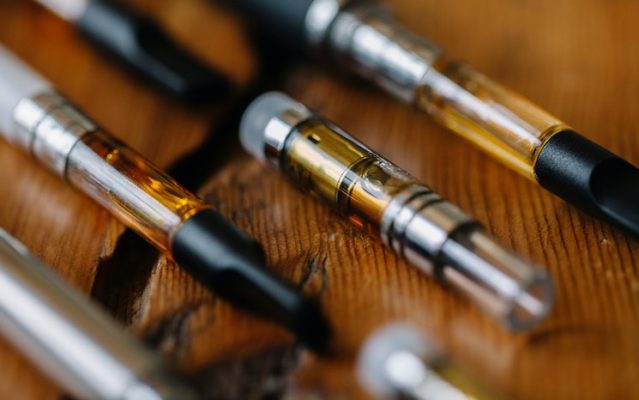
A solvent-based distillate is usually easy to vaporise because its viscosity can be adjusted during formulation. This makes it common in 510-thread cartridges and disposable devices. However, thin oil can leak if the cartridge is poorly sealed, while an oil that has been over-diluted may produce harsh vapour or an artificial taste.
Solventless products can be more sensitive to temperature. A low-quality or unsuitable battery may fail to vaporise thick rosin evenly, causing blocked airflow, burnt flavour, or residue around the mouthpiece. A variable-voltage battery used at excessive heat can damage terpenes and accelerate oxidation. Users should follow the manufacturer’s operating instructions instead of assuming every cartridge works with every device.
For practical battery and cartridge care, this guide on safe cartridge maintenance covers cleaning and charging principles. Keeping a device upright, avoiding hot cars, and storing it away from direct sunlight can help preserve oil consistency. In Australia, summer temperatures in cities such as Sydney, Brisbane, and Perth can become high enough to increase leakage and degradation inside a parked vehicle.
Good habits reduce avoidable problems:
- Store cartridges upright in a cool, dry place away from direct light
- Avoid leaving a battery or cartridge in a car during Australian summer heat
- Stop using a cartridge if it leaks, tastes burnt, or shows visible contamination
- Use the compatible battery setting recommended for the specific hardware
- Keep cannabis products away from children, pets, and anyone not authorised to use them
Reading Quality Claims And Lab Results
A trustworthy product description should identify the extraction method rather than using vague phrases such as “pure oil” or “premium vape juice.” For solvent-based extracts, residual-solvent testing is particularly relevant. For solventless extracts, consumers should still look for potency, pesticide, heavy-metal, microbial, and foreign-matter testing.
Certificates of analysis should match the product’s batch number and show the laboratory or testing facility. A photograph of a generic certificate is less useful if it cannot be linked to the cartridge being sold. Be cautious with claims that a product is “100% natural,” “chemical-free,” or “risk-free,” because all inhaled vapour carries potential health concerns and labels may simplify complex processing.
The Australian market adds another layer of scrutiny. Recreational THC products cannot be legally sold through ordinary retail channels, and importing cannabis products may breach border and drug laws. Medicinal cannabis access typically involves an Australian-registered doctor or nurse practitioner and products supplied through approved pathways. Rules can also differ between jurisdictions, so a product advertised online is not automatically legal to possess in Melbourne, Sydney, Adelaide, or elsewhere.
When comparing products or suppliers, focus on evidence rather than presentation:
- Confirm the legal pathway for possession, prescribing, supply, and delivery
- Look for current batch testing instead of relying on testimonials
- Check the complete ingredient list and avoid undisclosed thinning agents
- Treat unusually low prices and guaranteed international delivery claims carefully
- Consider customer support useful only when it provides clear, verifiable information
Live Resin, Rosin, And Market Language
Live resin and live rosin are frequently confused because both can be made from fresh or fresh-frozen cannabis. Live resin is generally produced with a solvent such as hydrocarbons, while live rosin is made through solventless separation and pressing. Their shared emphasis on fresh plant material explains why both may have strong terpene aromas, but their production methods remain different.
The popularity of sauces and sugars has also influenced vape marketing. These concentrates can contain a liquid terpene-rich fraction and more solid crystal-like cannabinoids, creating a vivid texture and strong flavour. A useful overview of live resin sauces and sugars can help distinguish these formats from ordinary distillate and pressed rosin.
Australian consumers may encounter imported terminology on websites aimed at overseas markets, including references to “legal highs,” bulk orders, or discreet global shipping. Those phrases do not change Australian law. A product’s name, extraction method, or shipping promise cannot substitute for a lawful prescription and compliant supply chain.
Choosing The Right Format For Your Needs
There is no universal winner between solvent-based and solventless oil. Distillate may suit someone seeking a consistent, relatively affordable formulation in a reliable cartridge. Live resin may appeal to someone who values a stronger terpene profile, while rosin can be attractive to consumers who specifically want a solvent-free extraction process.
Cost is part of the difference. Solvent-based systems can process larger volumes and achieve higher yields, which often lowers the retail price. Solventless production tends to require high-quality starting material, careful handling, and more labour, so rosin products frequently cost more. Price alone, however, does not establish quality or legality.
For Australian medicinal users, the most sensible choice is the product that fits the approved treatment plan and is supplied through the appropriate medical channel. Avoid driving after using THC, and remember that roadside drug-testing rules can detect THC even when a person does not feel impaired. Store prescribed products securely and follow the label for dose, timing, and disposal.
Understanding the label makes comparison easier: identify the extraction method, confirm the cannabinoid content, inspect the testing information, and check that the cartridge and battery are compatible. If a listing hides these details or relies on dramatic promises, treat that lack of transparency as a reason to pause.
Choose vape oil on documented extraction, verified testing, suitable hardware, and Australian legal compliance rather than appearance or inflated potency claims. For legitimate medicinal use, discuss solvent-based and solventless options with an authorised healthcare professional and obtain products through a lawful, traceable supply pathway.