No products in the cart.
QUALITY THC PORTAL - BUY QUALITY THC PRODUCTS ONLINE - FAST DELIVERY
Welcome to Quality THC Portal. We are premium suppliers of Quality THC Products. We supply in bulk and small quantities the following products; Package weed , Pre-rolls , Vape cartridges and Marijuana concentrates. We deliver to most countries around the world and delivery is fast and secured. Our website is well encrypted to product all your information we receive to process your orders and also we have a well setup and stable customer service team who are always available to assist you incase of any difficulty while trying to make purchase on our website. We are certain you shall enjoy our services.
Best Selling Products
Sale!


CARTRIDGES
Sale!


CARTRIDGES
Sale!

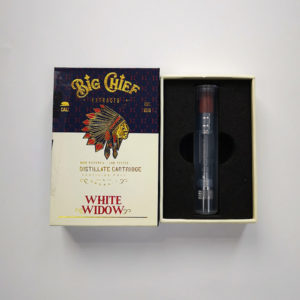
CARTRIDGES
Sale!

CARTRIDGES

HASH
$
70.00
–
$
305.00

CARTRIDGES
$
25.00

CARTRIDGES
$
25.00
Sale!

CARTRIDGES
Browse our categories


our services
free express delivery
When your order is more than $299, you receive FREE express delivery and can look forward to the worlds best medical marijuana and associate products delivered directly to your door
Exquisite Collection
We’re extremely picky about product quality & our collection is constantly being refined & is comprised of the finest buds known to humankind
Top-notch Support
We pride ourselves in providing exceptional support and we’re among the few offering dedicated 24/7 chat support to our valued customers.
Rosin vs resin: potency, process and flavour
Rosin and resin are related cannabis products, yet they are not interchangeable. Rosin is a concentrate made by applying heat and pressure; resin usually refers either to the plant’s sticky trichomes or to extracts made from them, such as hash and live resin. Both can deliver a potent experience, but their strength and flavour depend on the source material, production method and dose.
Understanding the difference between rosin and resin starts with how each product is made. A carefully produced rosin can rival a solvent-based extract, while ordinary resin may be much less concentrated. Lab results matter more than a category label: check the THC percentage, total cannabinoids and the presence of CBD or minor cannabinoids listed for the product itself.
Australian buyers also need a practical frame. The ACT has a regulated adult market, while most other states and territories offer medicinal access through authorised prescriptions rather than general recreational retail. Online delivery claims do not change border rules or local law. This guide compares production methods, potency, terpene character and practical use without treating one product label as automatically superior.
Resin and rosin explained
Resin begins as the oily secretion produced by glandular trichomes on cannabis flowers and leaves. When called resin simply, it may refer to collected trichomes, a dab made from them or a broader extract category. Hash is resin gathered and pressed or otherwise worked into a convenient form, so resin can sit at both the raw-material and finished-product stages of the supply chain.
| Feature | Rosin | Resin and resin extracts |
|---|---|---|
| Primary source | Flower, kief, sift or hash | Plant resin, flower or hash |
| Common production method | Controlled heat and pressure | Hand collection, compression, water extraction or solvent extraction |
| Solvent use | None in traditional solventless rosin | Plain resin requires none; manufactured resin extracts may use hydrocarbons, alcohol or carbon dioxide |
| Terpene character | Often broad, with floral, fruity or earthy notes | Ranges from earthy hash to bright, pungent live resin |
| Potency | Frequently high, but highly variable | Raw resin varies widely; finished extracts are often very concentrated |
| Texture | Soft, tacky or “solder-like” | Sticky, waxy, glassy or crystalline depending on the product |
| Typical use | Dabbing, vaporising or adding to flower | Dabbing, vaporising or adding hash and resin to flower |
Terminology varies among sellers. “Cannabis resin” can mean sticky plant material, while “live resin,” “full spectrum resin” and “dab” usually describe concentrates made from flower or hash. The main distinction from rosin is the production route: rosin uses pressure and heat without a solvent, whereas many resin extracts are created with hydrocarbons, alcohol or carbon dioxide and then purged.
Retail descriptions can be confusing. At Quality THC Portal, the catalogue lists flower, hash, live resin, rosin, pre-rolls and cartridges side by side; check the exact product name instead of assuming every sticky product has the same solvent status or strength. Sellers should also identify the source material, extraction method and available laboratory results.
How the extraction methods differ
Rosin is produced by applying heat and pressure to cannabis material. A heat-pressed plate or rosin press compresses the flower, kief or hash until its oils and cannabinoids flow onto a collection surface. The process leaves a sticky, tar-like extract that can be scraped up and used. Because no extraction solvent is required, solventless rosin appeals to buyers who prefer a simple production method, although the heat used can alter some lighter terpenes.
Plain resin is usually cooler to handle and less refined. Trichomes can be collected directly from cured flowers, gathered with a resin comb or separated mechanically. Pressed hash represents resin in a more familiar solid form. Its potency depends on how much resin was collected, the condition of the source flower and whether other plant material was included, so unprocessed resin is generally less predictable than a laboratory-tested concentrate.
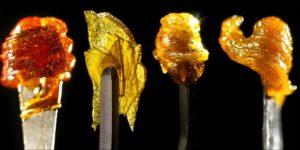
Live resin belongs to the resin-extract category rather than the rosin category. It is commonly made by freezing fresh flower and using a cryogenic solvent extraction before the solvent is removed. The low-temperature process can preserve a vivid aroma and a terpene profile associated with fresher material. BHO-style shatter and wax, which also go by names such as dabs in Australian cannabis conversations, may be made from hash and can appear clearer or more brittle than rosin.
Potency and terpene retention
There is no universal potency winner. Rosin is usually more concentrated than raw resin because heat and pressure gather THC, other cannabinoids and aromatic oils into a smaller amount of material. Top-grade rosin may outperform ordinary resin extracts, yet a well-made live resin or solvent wax can contain more THC than a poorly pressed rosin. Many commercial concentrates fall roughly between 50% and 90% THC, but actual figures vary substantially by product and extraction method.
Terpenes provide much of the aroma that distinguishes one concentrate from another. Rosin can retain a broad mix of compounds, including floral, citrus, pine or earthy notes, depending on the cultivar and processing temperature. Live resin is often marketed for its fresh, pungent character, while traditional hash tends toward deeper earthy and resinous flavours. These aromatic differences help identify the source, although terpene percentages from one laboratory can vary because of evaporation and handling.
A higher THC number does not guarantee a stronger or longer-lasting effect. Cannabinoid balance, tolerance, amount used, terpene profile and personal physiology all influence the experience. CBD, CBN, CBG and other minor cannabinoids may also shape a product’s character. Review the complete laboratory panel, batch date and serving guidance rather than selecting solely by THC. For medicinal products, the cannabinoid profile and a clinician’s directions may matter more than the headline percentage.
Choosing a texture and use
Texture offers a practical clue about how a concentrate will behave. Soft rosin spreads easily on a heated dab surface and vaporises readily at moderate temperatures. Firmer resin extracts, particularly shatter, can crumble onto the surface and may require more careful heating to avoid wasting material. Both work with suitable concentrate-compatible equipment, and either can be mixed with flower when a smoother draw is preferred.
If hardware is part of the purchase, compare compatibility and operating instructions with a reputable device supplier such as Techo Kobo before combining it with a concentrate. Australian homes use 220–240-volt Type I power, so check the voltage and plug type of mains-powered equipment rather than assuming an overseas version will work. Portable and temperature-controlled devices should also be operated according to their instructions.
Flavour and handling preferences can be as important as potency. A consumer seeking sharper fruit and spice notes may favour a lighter-coloured rosin or live resin, while someone who prefers a milder aroma may choose a darker, aged resin. Begin with the smallest practical amount, allow time for it to settle and follow the manufacturer’s directions. Medicinal users should also follow guidance from their authorised prescriber, particularly when switching between products with different cannabinoid balances.
Buying and storing concentrates in Australia
Access rules vary considerably across the country. The ACT permits regulated adult cannabis retail, subject to age, location and product-control requirements. Elsewhere, legal medicinal access generally runs through state or territory pathways involving an authorised prescriber, the Special Access Scheme where applicable, and products assessed through the Therapeutic Goods Administration. A general cannabis website or international shipping policy cannot create an exemption from those laws.
For shoppers comparing quantities, a bulk buying guide can help with net weight, price per gram, packaging and storage considerations. Cannabis conversations in Sydney, Melbourne, Brisbane and Perth commonly use terms such as hash, shatter, wax, rosin and dabs, while quantities are usually discussed in metric grams. Confirm that any offer includes batch-level laboratory results, clear net weight and lawful delivery information before ordering.
Concentrates are sensitive to heat, light and air. Keep them in sealed, opaque containers in a cool, dry and stable place, away from direct sunlight. Perth and Darwin’s warm conditions call for extra attention to storage, while Melbourne’s rapid temperature changes can affect softer rosin. Free express delivery for larger international orders may be advertised, but carriers and border authorities apply their own rules. Check current restrictions for the destination and retain any accessible laboratory report or product receipt.
Compare available concentrates, confirm current access and delivery rules, and choose a lawful, lab-tested product suited to your preferred format.