No products in the cart.
QUALITY THC PORTAL - BUY QUALITY THC PRODUCTS ONLINE - FAST DELIVERY
Welcome to Quality THC Portal. We are premium suppliers of Quality THC Products. We supply in bulk and small quantities the following products; Package weed , Pre-rolls , Vape cartridges and Marijuana concentrates. We deliver to most countries around the world and delivery is fast and secured. Our website is well encrypted to product all your information we receive to process your orders and also we have a well setup and stable customer service team who are always available to assist you incase of any difficulty while trying to make purchase on our website. We are certain you shall enjoy our services.
Best Selling Products
Sale!


CARTRIDGES
Sale!


CARTRIDGES
Sale!

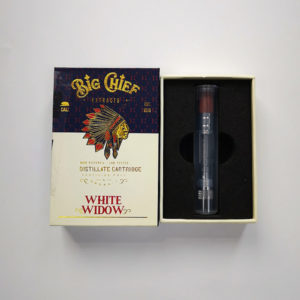
CARTRIDGES
Sale!

CARTRIDGES

HASH
$
70.00
–
$
305.00

CARTRIDGES
$
25.00

CARTRIDGES
$
25.00
Sale!

CARTRIDGES
Browse our categories


our services
free express delivery
When your order is more than $299, you receive FREE express delivery and can look forward to the worlds best medical marijuana and associate products delivered directly to your door
Exquisite Collection
We’re extremely picky about product quality & our collection is constantly being refined & is comprised of the finest buds known to humankind
Top-notch Support
We pride ourselves in providing exceptional support and we’re among the few offering dedicated 24/7 chat support to our valued customers.
Fresh Frozen vs Dried Cannabis for Extracts: What Sets Them Apart
When shoppers at a THC dispensary or online cannabis shop in Sydney browse extract categories, they will often notice two distinct families on the menu: live resin and sauce made from fresh frozen starting material, and traditional shatter, wax, or distillate made from dried and cured flower. The distinction is not merely marketing language. It shapes the aroma, the texture, the cannabinoid ratios, and even the price per gram. Understanding how each input is handled before it ever reaches the extraction equipment helps consumers make informed choices about flavour, potency, and overall value.
Cannabis extraction is fundamentally a preservation problem. Trichomes, the resin glands where cannabinoids and terpenes are concentrated, are fragile. Heat, oxygen, light, and time all degrade them. Producers therefore face a fork in the road at the moment of harvest: freeze the plant immediately to lock in its fresh profile, or dry and cure it the traditional way for a more stable, shelf-friendly input. Each path produces a different concentrate, and each has its own loyal following among Australian consumers in cities like Melbourne, Brisbane, and Perth.
What Fresh Frozen Cannabis Means in Practice
Fresh frozen cannabis is harvested and then moved straight into sub-zero storage, typically between -20°C and -40°C, often within hours of being cut. The plant is not dried, trimmed, or cured. Freezing preserves the terpene fraction exactly as it existed on the living plant, which is why extracts made this way carry the moniker "live." The aroma often resembles the smell of a freshly snapped stem more than it does a jar of dried bud, with bright, herbaceous, and sometimes fruity notes that fade during conventional drying.
Producers using this method usually work with whole plants or large fan leaves rather than manicured buds. The biomass is sometimes washed in ice water immediately after freezing to separate trichome heads through agitation, producing bubble hash that is then pressed or melted into rosin. In other workflows, the frozen material is packed into extraction columns and processed with hydrocarbons or ethanol. The defining feature across all of these is the absence of a drying phase, which protects volatile compounds that would otherwise evaporate.
How Dried and Cured Cannabis Becomes Extract
Dried cannabis goes through the familiar steps of hang-drying, trimming, and curing in sealed containers for weeks or even months. During this period, chlorophyll breaks down, moisture equalises, and the chemical profile changes through enzymatic activity and oxidation. The result is a more mellow, often earthy or musky aroma that many long-time consumers associate with classic hashish or aged flower.
Extraction labs prefer dried material because it is consistent to handle, lighter to ship, and easier to mill into uniform columns for closed-loop hydrocarbon systems or ethanol washers. Dry inputs are the foundation of shatter, crumble, distillate, and most budget-tier cartridges available across Australia. Because the drying step already removed a significant amount of volatile mass, the resulting concentrate tends to be higher in cannabinoids by weight and lower in native terpenes, which is why many dried-flower extracts are later paired with reintroduced botanical or cannabis-derived terpenes.
Extraction Techniques Tied to Each Starting Material
The choice of input dictates, to a large degree, the choice of equipment. Fresh frozen biomass is difficult to load into hydrocarbon columns because residual water can create pressure issues and channeling. Many processors therefore use ice-water hash washing to first separate trichome heads, then apply mechanical pressure with a rosin press. Others run the frozen material through very cold hydrocarbon systems designed to keep everything below the freezing point of water throughout the run.
Dried and cured flower, by contrast, is well suited to traditional butane or propane extraction. The low moisture content allows solvents to flow freely through the packed material, stripping cannabinoids efficiently. Ethanol extraction, which works well at industrial scale, also favours dried inputs because water content must be tightly controlled to avoid pulling chlorophyll and waxes into the solution. For consumers in Adelaide or Hobart looking at product listings, the extraction method printed on the label often hints at the starting material: live rosin and live resin come from fresh frozen, while crumble, shatter, and distillate almost always come from dried flower.
A short summary of how the two starting materials shape processing decisions:
- Fresh frozen inputs rely on cold hydrocarbon systems or ice-water hash washing followed by mechanical pressing.
- Dried flower inputs flow easily through standard closed-loop hydrocarbon columns and ethanol washers.
- Moisture content is the limiting factor when choosing equipment, not the plant genetics.
- Solvent recovery times differ because water-heavy biomass holds residual solvent longer.
Cannabinoid and Terpene Profiles Compared
The single biggest difference between fresh frozen and dried extracts is the terpene spectrum. Fresh frozen live resin and live rosin routinely test at two to four times the terpene percentage of their dried-flower counterparts. This translates into more pronounced flavour on the palate and, anecdotally, a richer "entourage" experience where minor cannabinoids and aromatic compounds work alongside THC and CBD.
Cannabinoid potency is a different story. Dried-flower extracts, particularly distillates, can exceed 85 percent total cannabinoids because the concentration process is not fighting against large amounts of moisture and chlorophyll. Fresh frozen extracts typically land somewhere between 55 and 75 percent cannabinoids, with the rest of the mass being terpenes and other volatiles. For medical patients in Australia accessing products through the Special Access Scheme, the higher terpene content of live extracts can matter when flavour drives adherence, but the higher cannabinoid density of dried-flower extracts can matter when dose precision is the priority.
A quick practical comparison helps bring these points together:
- Aroma intensity: fresh frozen extracts are noticeably bolder and more layered.
- Texture: live resin and live rosin tend to be saucy, buttery, or budder-like, while dried-flower extracts are usually glassy or powdery.
- Cannabinoid density: dried-flower extracts generally test higher in total THC.
- Shelf stability: dried-flower extracts resist oxidation longer because most volatiles are already gone.
- Price positioning: live products typically sit at the premium tier of any Australian menu.
Cost, Logistics, and Australian Market Realities
Cost is where the two paths diverge most clearly for the end user. Fresh frozen inputs require blast freezers, climate-controlled transport, and rapid turnaround times between harvest and extraction. All of that expense is baked into the final gram price, which is why live resin and live rosin often command a noticeable premium over distillate or shatter in dispensaries from Brisbane to Perth.
Dried flower is forgiving. It can sit in sealed bins for weeks before extraction, ship in ordinary packaging, and tolerate minor temperature swings. This makes dried-flower extracts the workhorses of the value tier, including many of the cartridges sold under house labels. For bulk buyers importing through international mail, dried-flower concentrates also tend to clear customs with fewer complications because they resemble familiar kief and hash formats, though Australian border officials remain vigilant about any psychoactive shipment and require appropriate authorisation for medical imports.
Storage at home is another practical consideration. Fresh frozen extracts are best kept in a cool, dark place and used within a few months to enjoy the terpene profile at its peak. Dried-flower extracts can sit in a drawer for a year or longer without dramatic loss in potency, which is why many occasional consumers in regional New South Wales and regional Queensland prefer them. Always store cartridges upright and away from heat sources, regardless of format.
Choosing the Right Concentrate for Your Needs
Picking between fresh frozen and dried extracts is ultimately a question of priorities. If flavour and a fuller aromatic experience are the main draw, live resin and live rosin are worth the higher price tag. If potency per dollar and longer shelf life matter more, traditional shatter, crumble, or distillate will deliver more value.
It also helps to read the certificate of analysis for any product under consideration. Look at total cannabinoids, total terpenes, and the residual solvent panel. A live resin that tests at 65 percent cannabinoids and 6 percent terpenes offers a fundamentally different experience than a distillate that tests at 90 percent cannabinoids and 2 percent terpenes, even though both are technically extracts of the same plant. If a label is unclear or a product does not behave as expected, contacting support about product concerns is a sensible step before leaving a review or trying a different batch.
Within Australia's evolving cannabis landscape, both formats have their place. Patients seeking therapeutic relief through authorised channels often appreciate the higher terpene content of live extracts, while recreational users weighing price against experience frequently settle on a steady rotation of value-tier dried-flower concentrates. The good news is that the local market now offers enough variety for either preference, and educated consumers tend to get the most satisfaction from every gram they purchase.
Browse the fresh frozen and dried extract ranges at Quality THC Portal, compare lab reports side by side, and place an order through the encrypted checkout to have your selection shipped with tracked express delivery anywhere in the country.